|
|
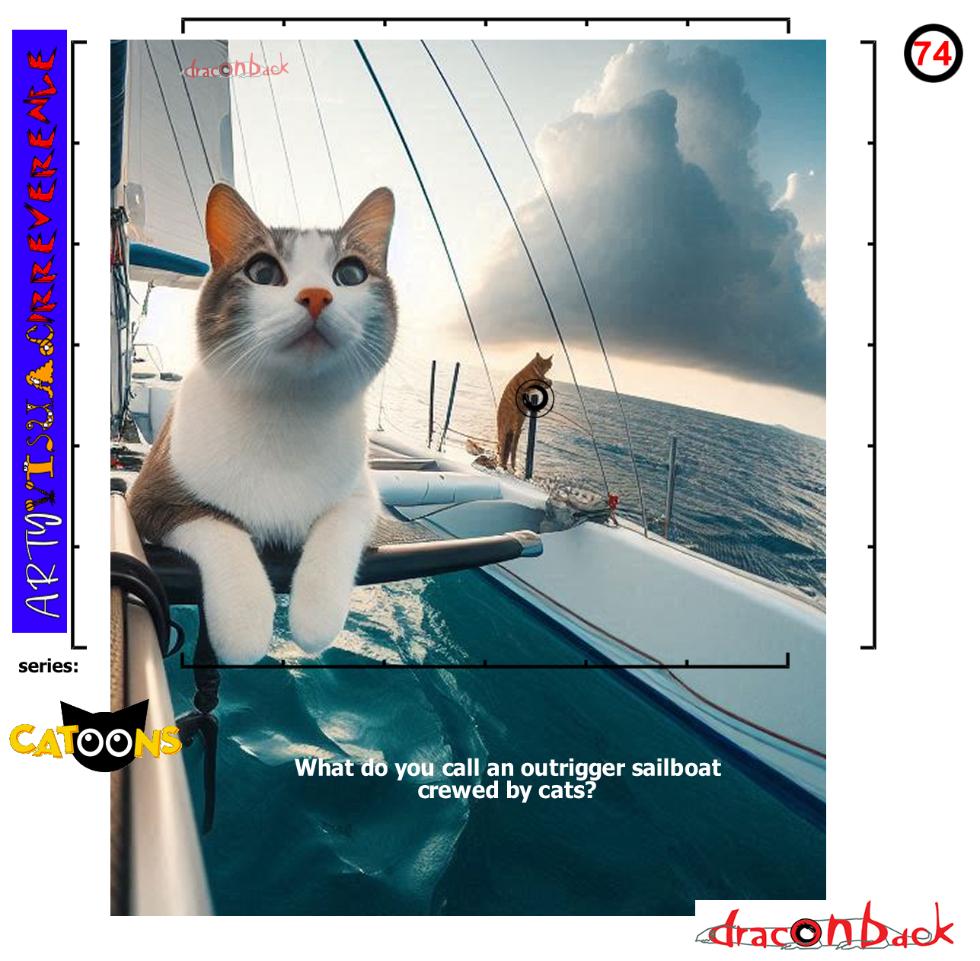
Evidence suggests ancient Egyptian crews so valued cats aboard ships that killing one, even accidentally, could carry severe penalties and voyages would be delayed if the ship's cat went missing before departure. |
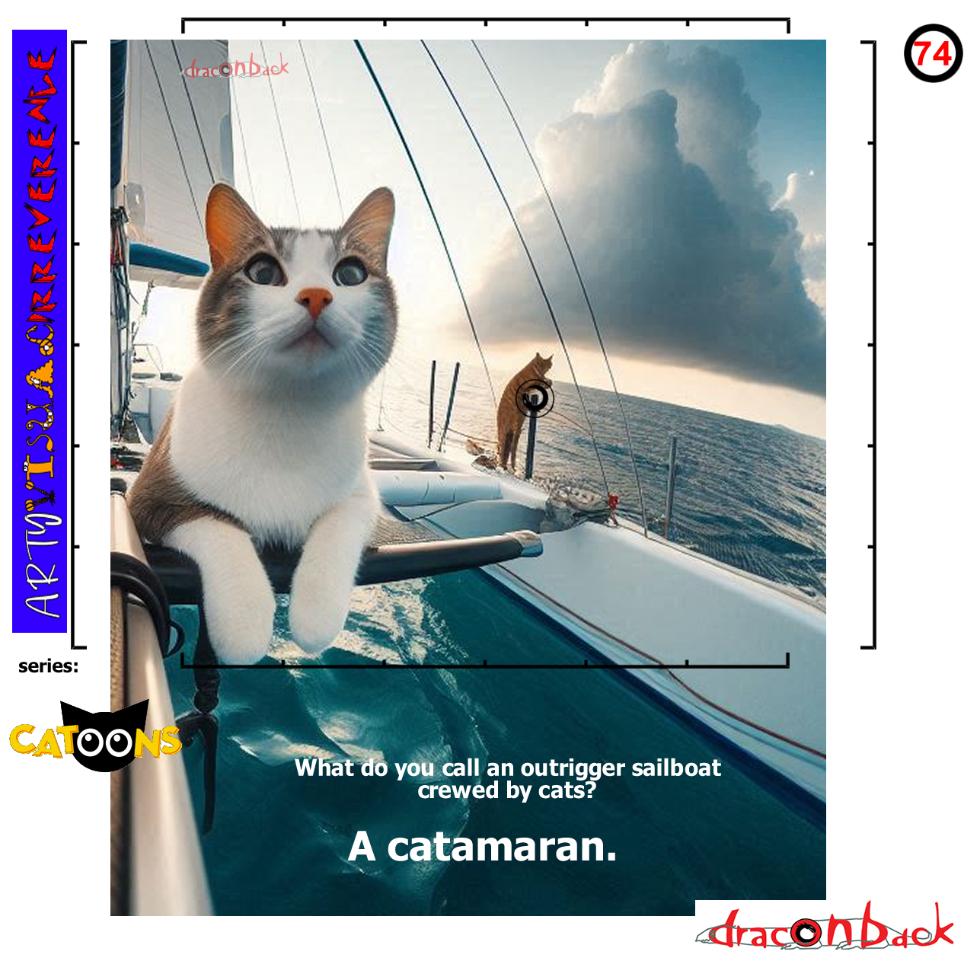 |
- Cats were valued aboard ocean vessels across the centuries: ancient Greek and Roman sailors believed cats could predict weather changes and storms through their behavior—excessive grooming supposedly meant rain, while friskiness indicated good sailing ahead. Whether these observations had any validity, they gave cats an almost oracular status aboard ships beyond their practical rodent-control duties.
|
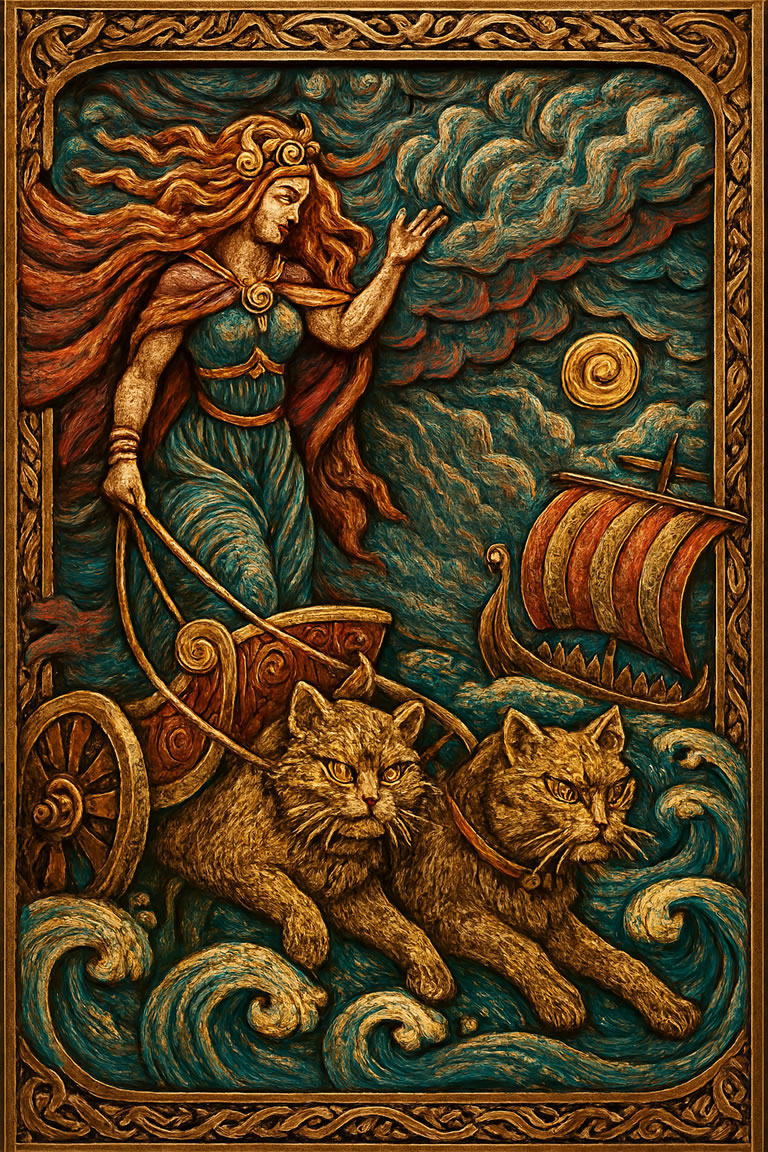
Vikings brought cats aboard their longships during raids and exploration voyages, valuing them not only for rodent control but also for their connection to the goddess Freyja, who was said to ride a chariot pulled by giant cats. Norse warriors believed that cats aboard ships would invoke Freyja's protection during sea battles and storms. Similarly, archaeological evidence suggests cats spread throughout the Mediterranean and beyond largely via maritime trade routes, making them perhaps the world's most successful stowaway species. More recently, the naturally polydactyl cats (those with extra toes) found along the New England coast and maritime Canada may trace their prevalence to sailing ships, where their extra toes provided better grip on slippery decks. Sailors considered them especially lucky and prized them aboard vessels, creating isolated populations in port towns. |
 |
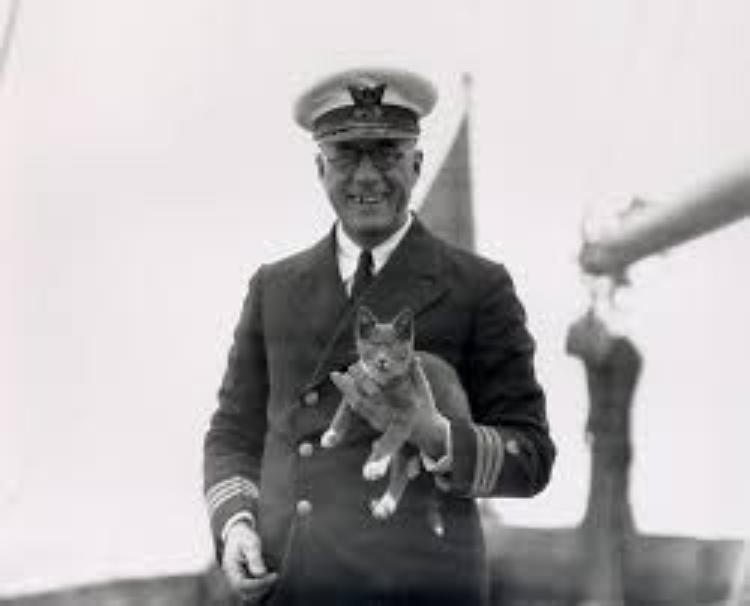 |
Up to modern times ocean-going ships carried cats to control rats that threatened food supplies, ropes, and wood. This practical role made cats unofficial but essential members of fleets, including that of the U.S. Cats Guard-- I mean Coast Guard... |
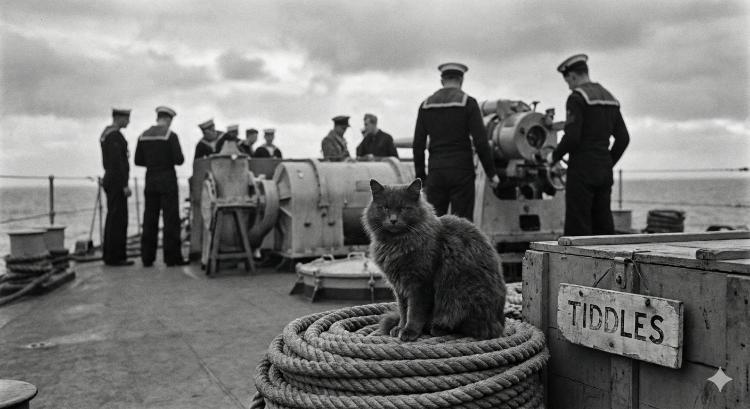
- Superstitious sailors during World War II believed cats aboard ships brought good luck and protection at sea, while some claimed cats possessed exceptional eyesight capable of spotting even the faintest lights on the darkest, stormiest nights—beliefs that made cats like Tiddles, who traveled over 30,000 miles with the Royal Navy, valued crew members beyond their rodent-control duties.
|
 |
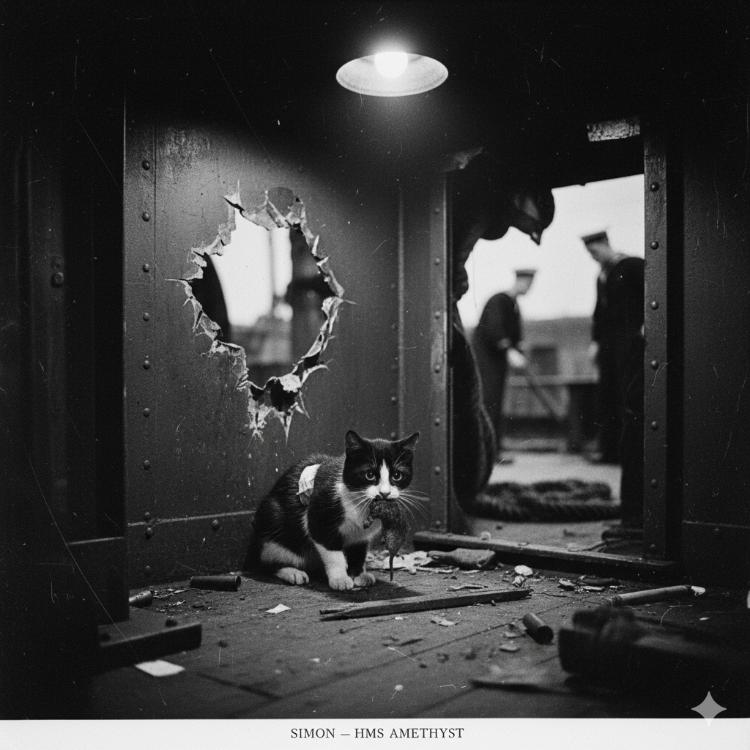 |
- Simon, a black-and-white cat aboard HMS Amethyst from 1948 to 1949, remains the only cat ever awarded the Dickin Medal—Britain's highest honor for animal military gallantry—for disposing of rats despite being wounded by shell blast that left a hole over a foot in diameter in the ship's steel plating.
|
|
|