|
|
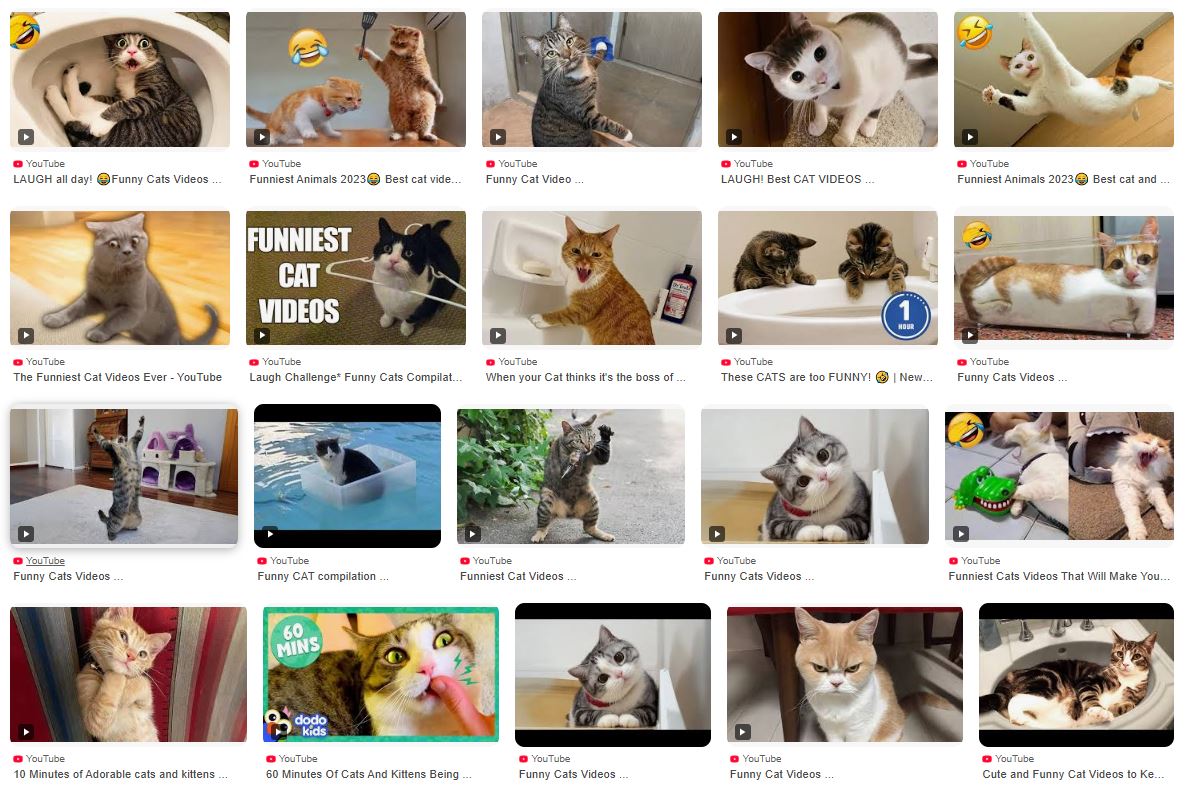
Representing a 70% improvement over any previous machine learning achievement and marking a milestone in unsupervised learning, in 2012, Google achieved a breakthrough by training a neural network of 16,000 computer processors on 10 million unlabeled YouTube videos for three days, after which the artificial neural network spontaneously learned to recognize cats with over 70% accuracy. |
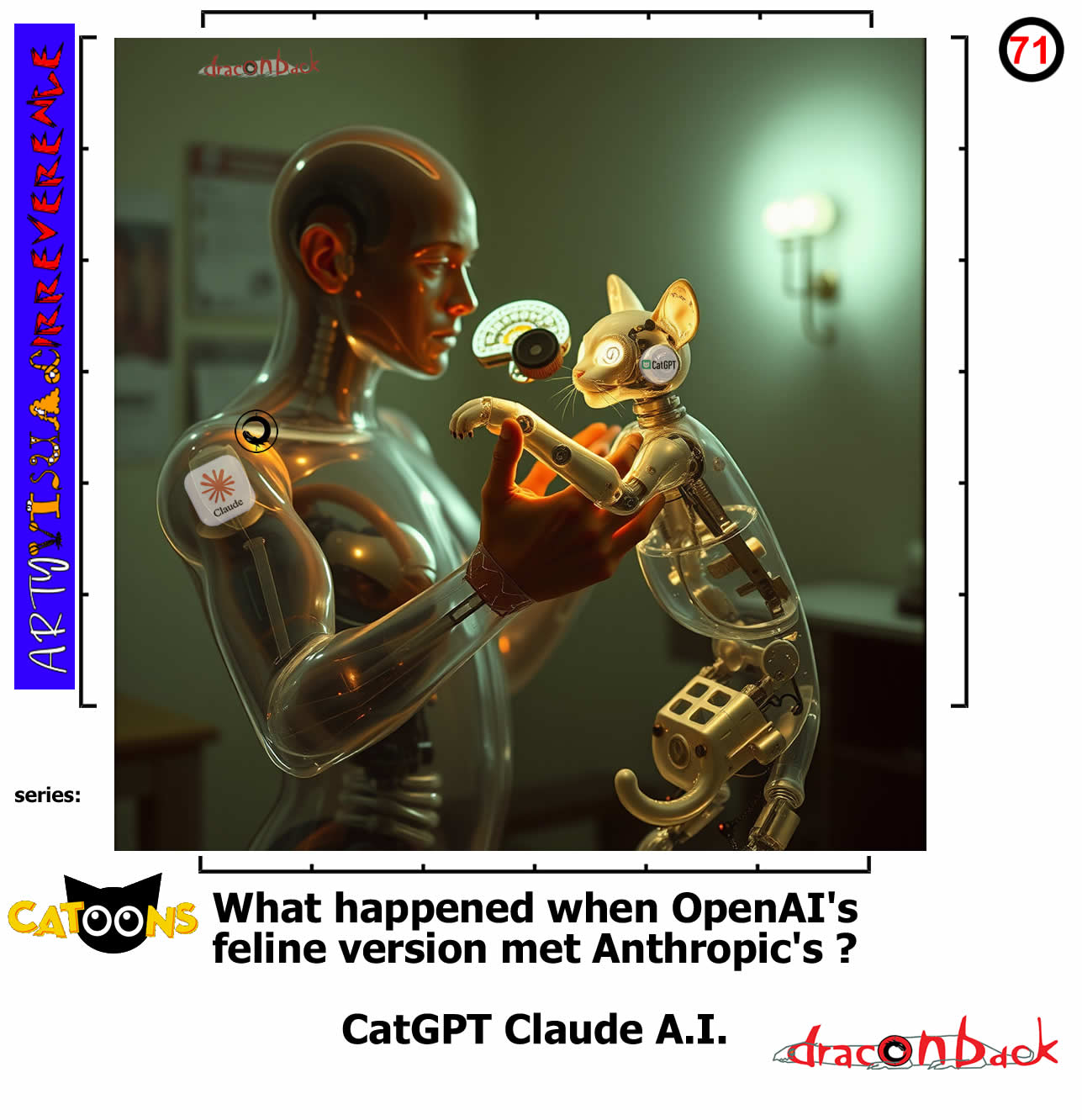 |
- The internet’s fascination with cats has influenced AI image generation datasets: cats are disproportionately represented, meaning generative models often produce unusually convincing cat images compared to rarer animals. The enduring popularity of cats online has shaped algorithmic recommendation systems: platforms like YouTube and TikTok often amplify cat content because it reliably drives engagement, illustrating feedback loops between human preference and machine learning.
|
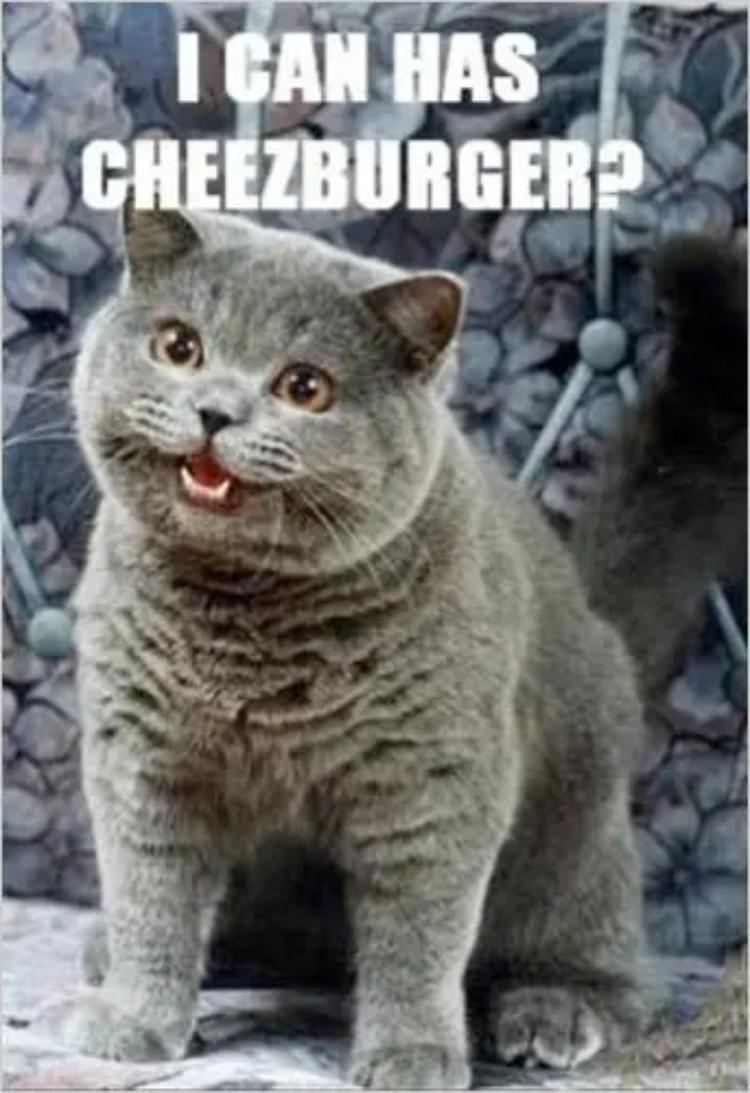
- Cats were among the earliest viral subjects online: the “I Can Has Cheezburger?” meme site (founded in 2007) helped codify the grammar of internet humor and demonstrated how user-generated content could evolve into a cultural phenomenon.
|
 |
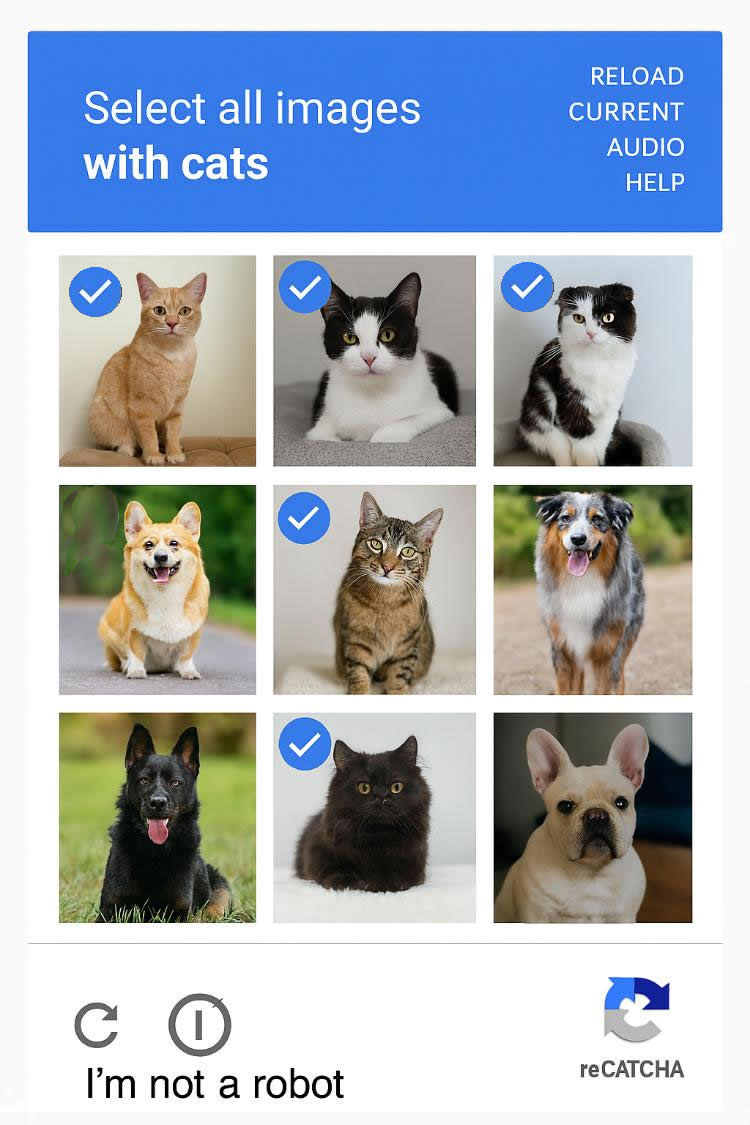 |
- Cats have been central to CAPTCHAs and adversarial AI: distorted images of cats (and other animals) were used to test whether humans or machines could correctly identify them, highlighting the challenge of visual recognition.
|
- Cat videos have been studied as a form of digital mood regulation: research in media psychology shows that watching cats online can reduce stress and increase positive affect, making them inadvertent “therapeutic agents” in the digital age.
|
 |
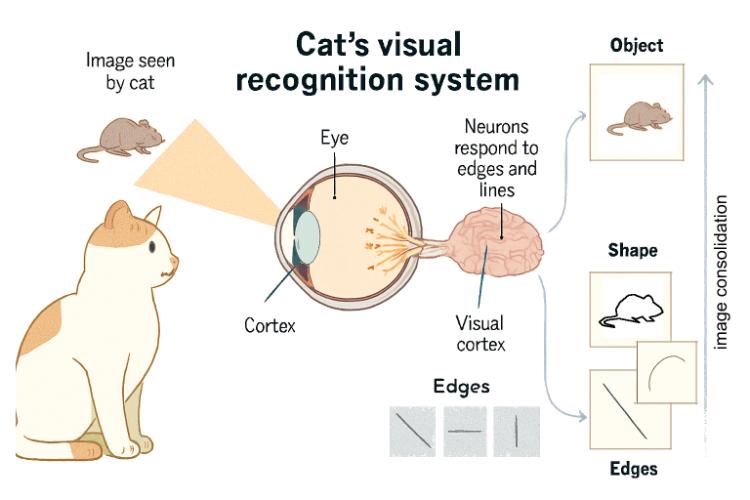 |
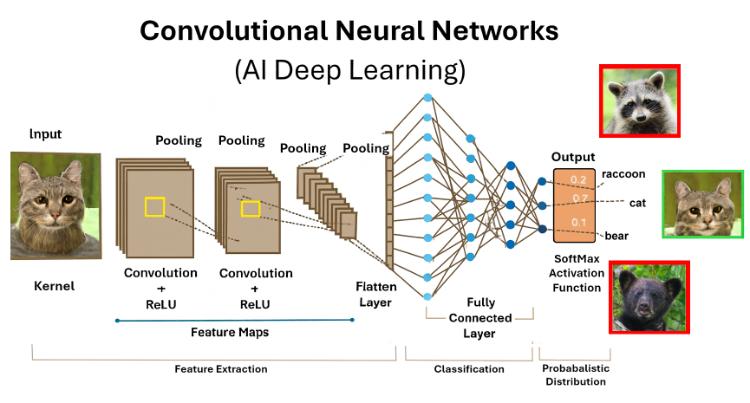
- The architecture of modern Convolutional Neural Networks used in AI image recognition was directly inspired by 1960s neuroscience experiments on cats conducted by David Hubel and Torsten Wiesel, who discovered that neurons in a cat's visual cortex respond to specific edges and lines, leading them to realize the brain builds images hierarchically from simple features to complex objects
|
- Recent research published in 2025 demonstrated that Siamese Neural Networks using VGG16 architecture paired with contrastive loss can achieve up to 97% accuracy in individual cat re-identification from photographs, offering a scalable solution for community-driven cat population monitoring and welfare efforts without relying on invasive identification methods.
|
 |
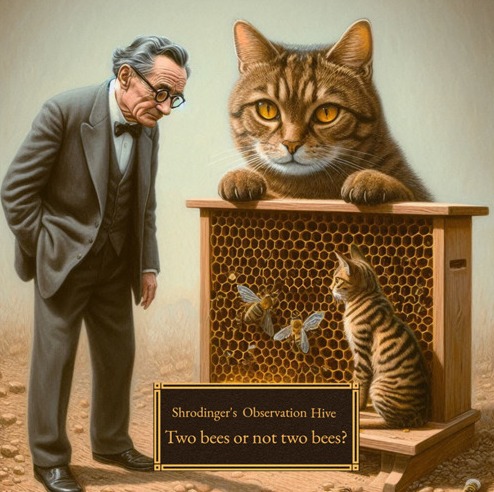 |
- Quantum computing researchers have developed "cat qubits" inspired by Schrödinger's famous thought experiment, where these quantum bits exist in a double superposition of two quantum states simultaneously and are highly resistant to bit-flip errors, potentially reducing the number of qubits needed to crack RSA-2048 encryption from 22 million down to 350,000.
|
|
|