|
|
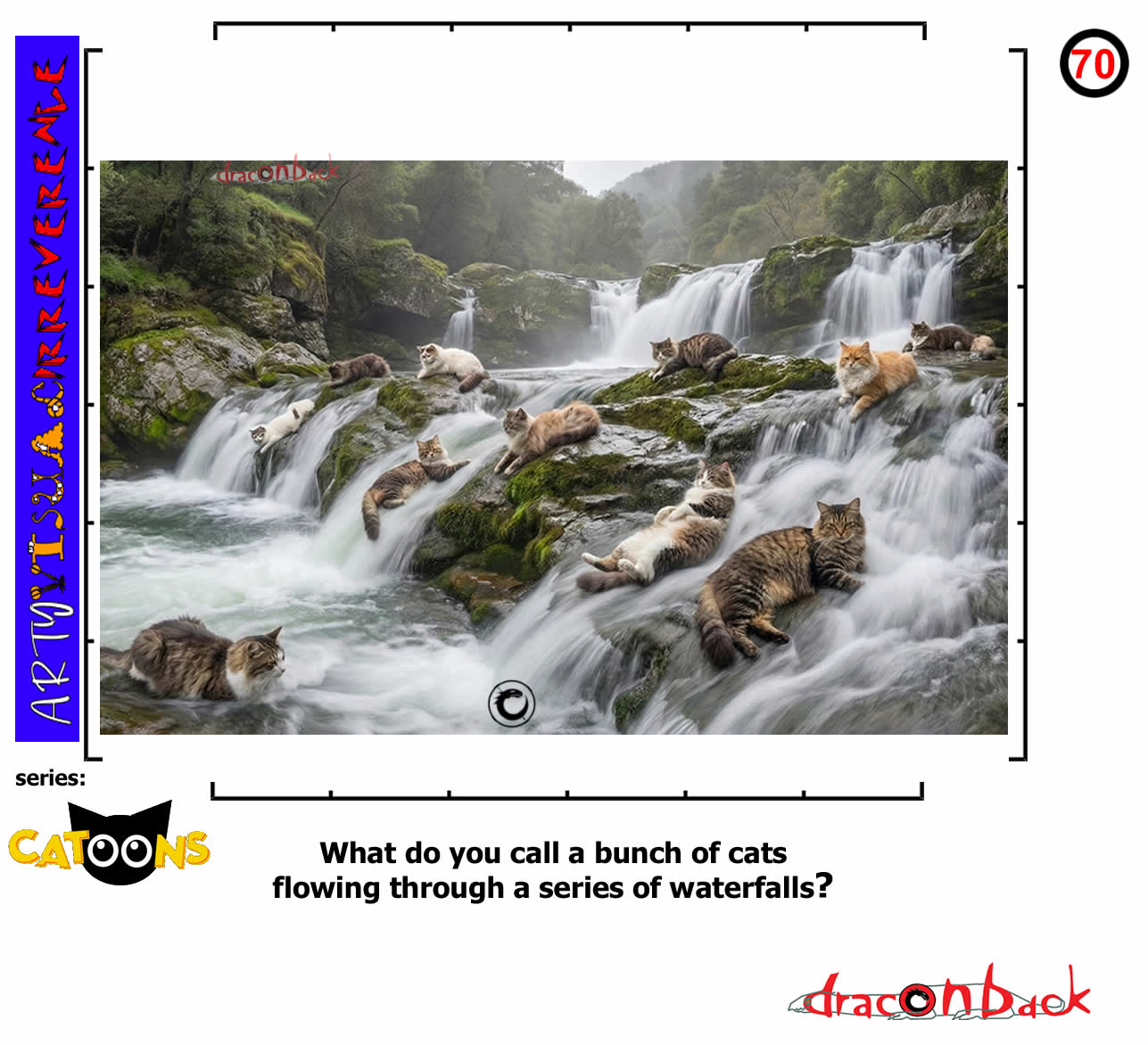
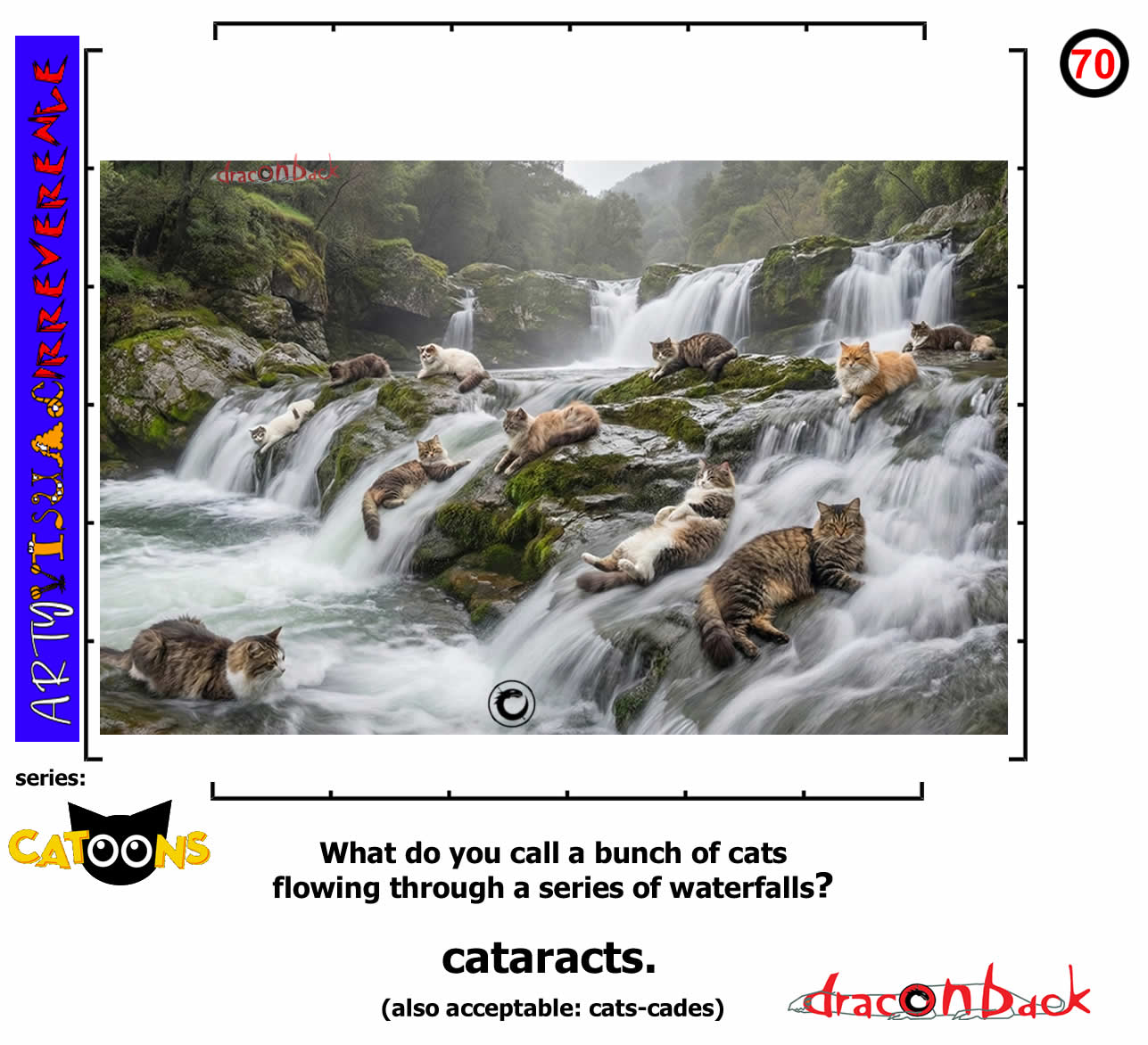
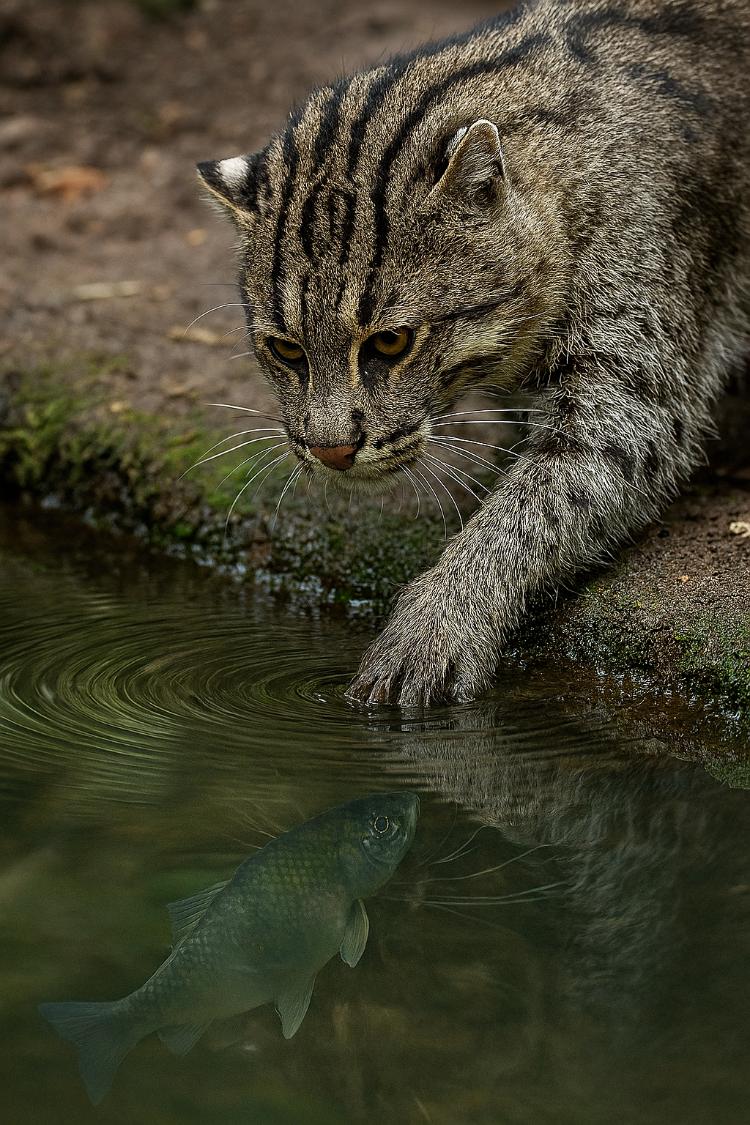
Cats instinctively prefer running water over standing water due to evolutionary programming—their wild ancestors learned that still water in puddles is prone to bacterial contamination and can cause illness, while flowing water from streams and rivers tends to be safer for consumption. |
 |
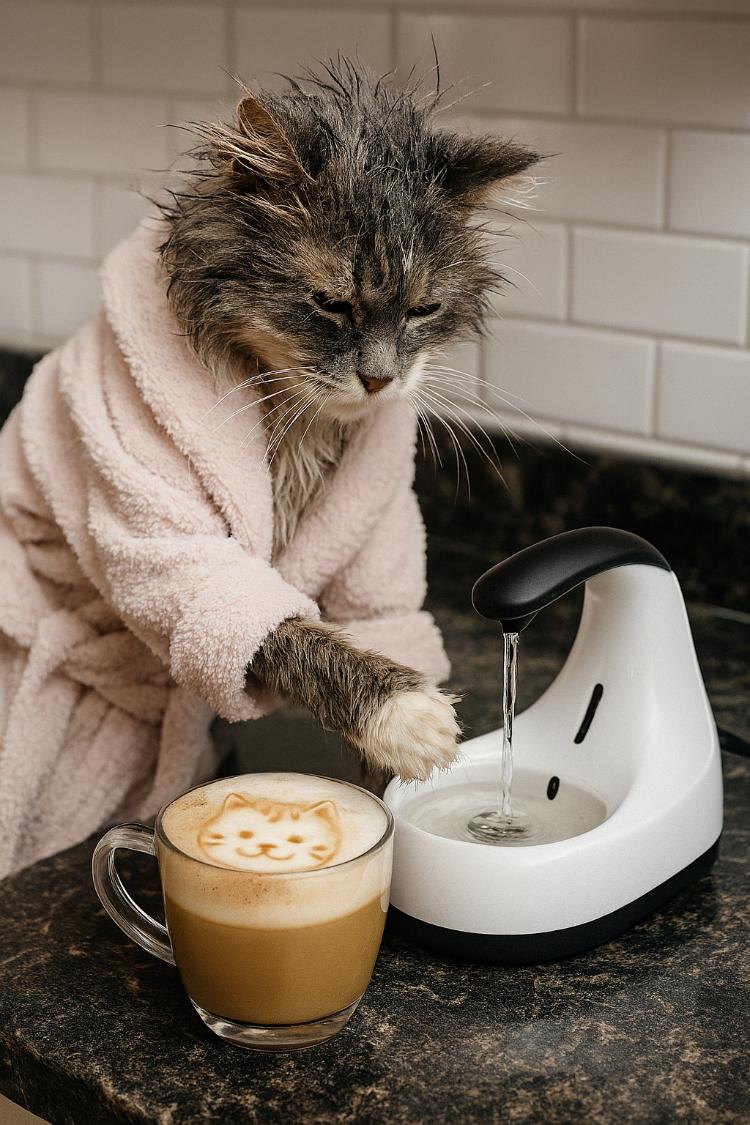
- Cats can detect running water more easily than still water using their acute hearing rather than their vision, and the swift-moving stream from a faucet is typically cooler and more oxygenated than bowl water, which improves the taste for these notoriously finicky drinkers. Domestic cats often prefer running water over stagnant bowls, a behavior linked to evolutionary instincts: moving water is less likely to be contaminated, which explains their fascination with faucets.
|
- Cats’ whiskers and keen hearing make dripping faucets or flowing streams especially stimulating; the sound and motion trigger their predatory curiosity, turning hydration into a sensory game. Some domestic cats enjoy pawing at water before drinking, possibly to test depth or mimic natural behaviors of wild ancestors who interacted with streams and puddles. In households, cats’ preference for faucets has inspired a niche market of pet drinking fountains, designed to replicate the appeal of running water and encourage healthier hydration habits.
|
 |
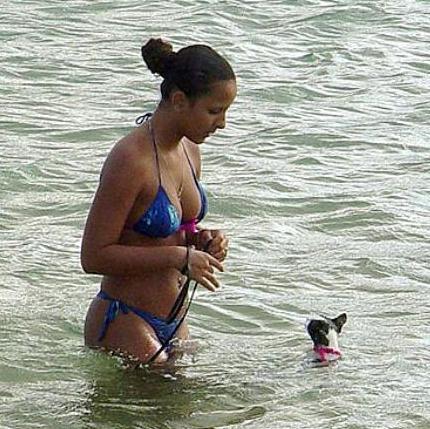 |
- The Van cat, a natural landrace from Turkey's Lake Van region, has been observed swimming in the lake and is nicknamed "the swimming cat," with its semi-long coat having a unique cashmere-like texture that is naturally water-resistant, allowing these cats to emerge from swims relatively dry. Despite the Turkish Van breed's reputation as water-loving cats, some pet writers suggest this characteristic may be exaggerated—while founding breeders reported that even Van kittens would voluntarily swim in pools or lakes, the modern breed consists almost entirely of indoor-only cats with no access to large bodies of water, and they typically express their "water affinity" by stirring water bowls or following owners into bathrooms rather than actual swimming.
|
|
 |
 |
|
|
|