|
|
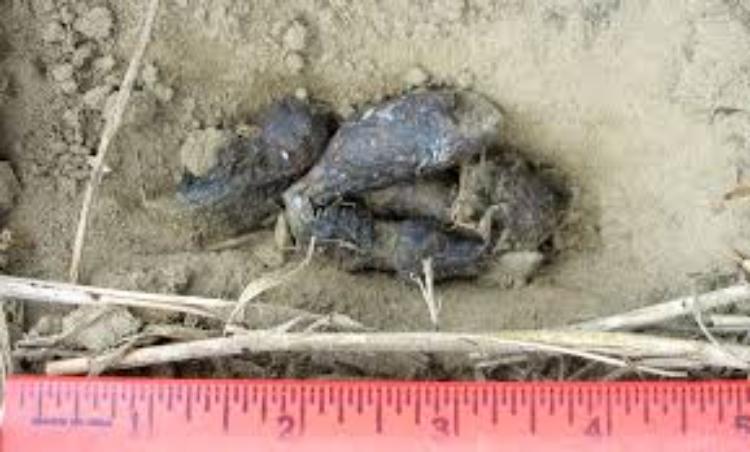
Scat is not just a word to shout at a pesky feline, it is also a general zoological term used to describe the droppings of animals (especially for tracking or ecological study) including domestic animals like cats. |
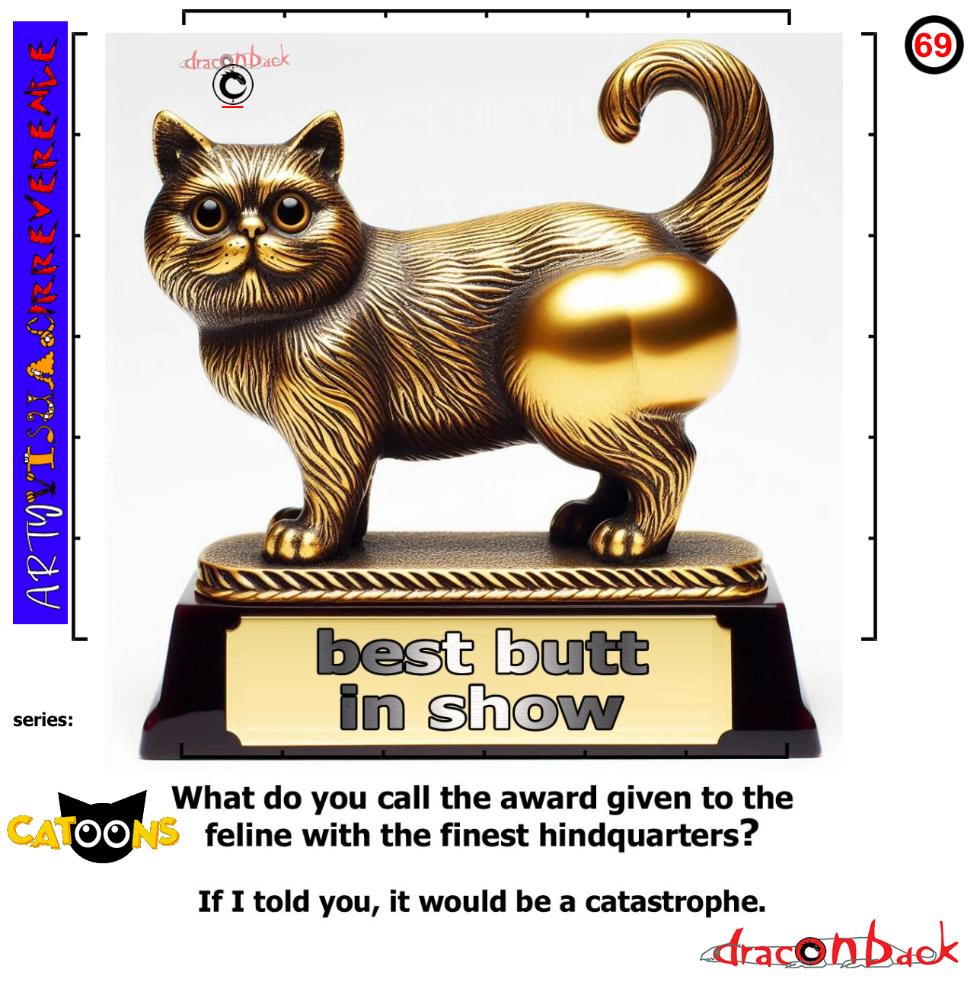 |
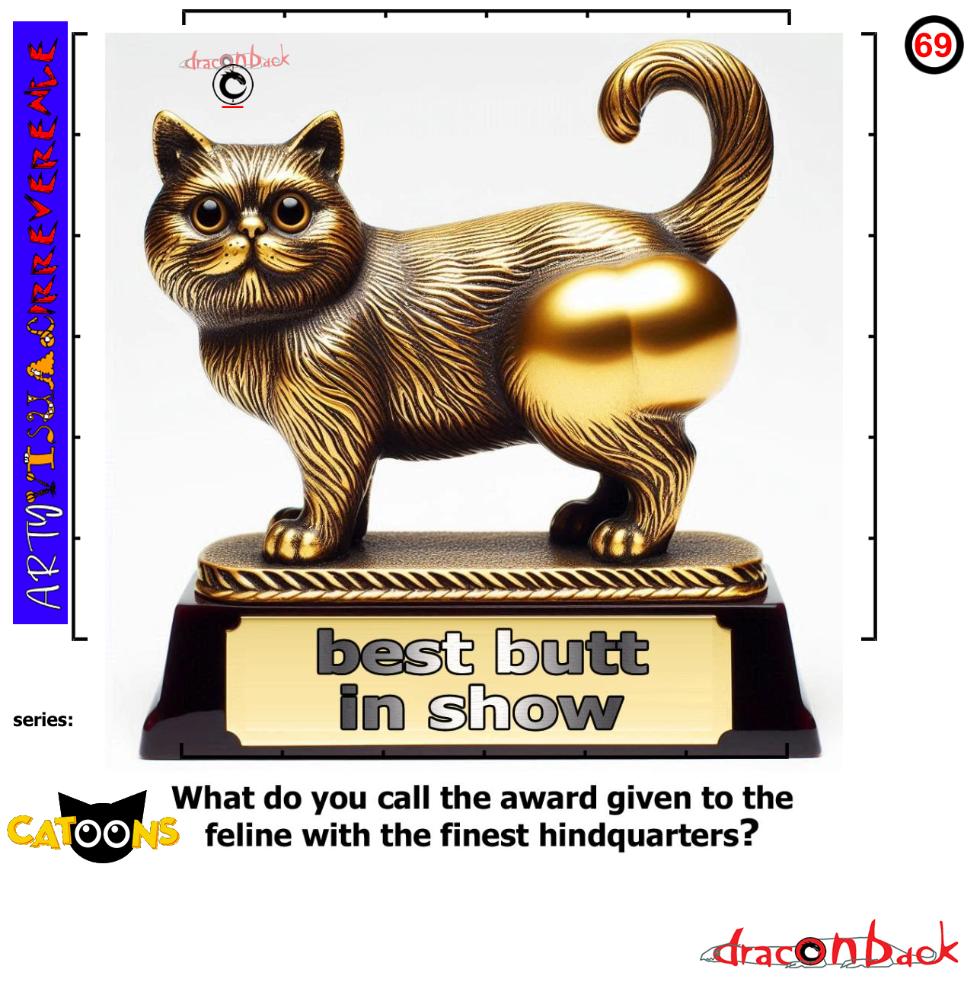
- When cats present their rear ends with tails raised, they're sharing their unique chemical signature from anal glands that acts like a scent fingerprint. Cats can recognize individual cats by sniffing these glands, with familiar cats doing brief courtesy sniffs while strangers get longer inspections. When your cat does this to you, it's actually a sign of trust and affection—they're sharing their identity and showing they feel safe with you.
|
-
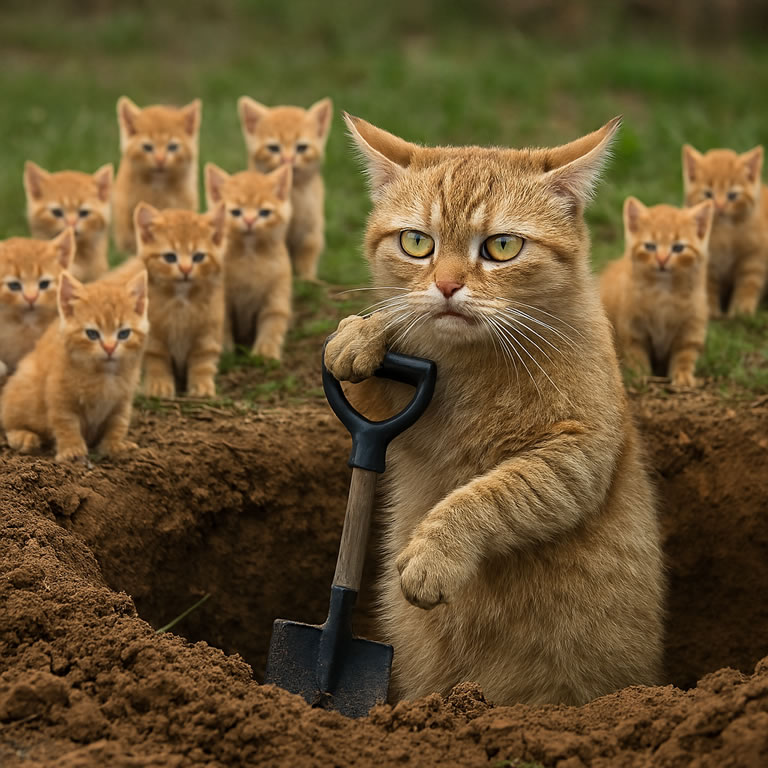
Cats instinctively bury their waste to avoid alerting predators to their presence and to keep their living area safe—a survival behavior inherited from wild ancestors that makes domestic cats take naturally to litter boxes without extensive training. In feline social hierarchies, dominant cats may deliberately leave their feces uncovered as territorial markers in a behavior called "middening," while subordinate cats typically bury their waste to avoid confrontation with more dominant individuals.
|
 |
 |
-
Research published in 2024 demonstrated that nursing female cats cover their feces and that of their kittens more frequently than other cats, burying waste to conceal chemical information that could help predators locate their vulnerable nests. The behavior of concealing waste would be most relevant against predators with keen senses of smell, such as, in regions where wild cats live, jackals, foxes, martens, wolves and village dogs. Even other cats may be a threat as uncastrated adult male cats may kill kittens they haven't sired as an evolutionary tactic to bring females back into heat to mate with them and pass on their genes. Female cats in the wild sometimes live in communities to cooperatively guard their kittens from such attack.
|
-
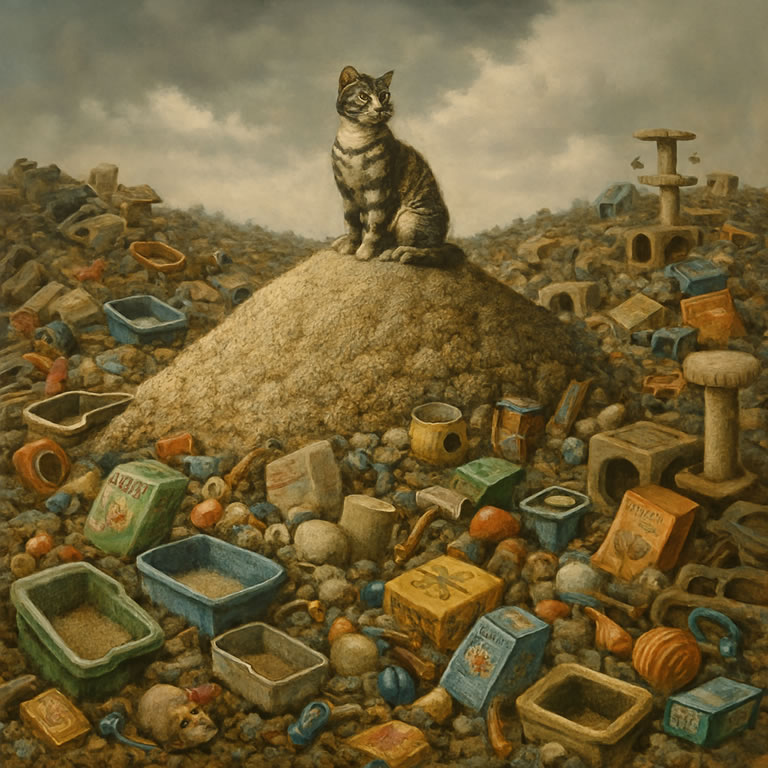
Modern cat litter was accidentally invented in January 1947 when Michigan businessman Edward Lowe gave his neighbor fuller's earth clay instead of sand for her frozen litter box, revolutionizing cat ownership by making indoor cats practical and helping transform cats into America's most popular pet. Edward Lowe initially tried to sell his clay-based Kitty Litter for 65 cents per five-pound bag, but when pet store owners refused because sand was cheaper, he instructed them to give it away free until customers experienced its superior odor control and were willing to pay, and by 1954 he had created the Tidy Cat brand sold exclusively in supermarkets. The cat litter industry has grown into a multi-billion dollar market, with Americans currently disposing of approximately 8 billion pounds of cat litter into landfills annually, while the global market is projected to reach between 7 and 18 billion dollars by the early 2030s depending on market analysis. Cats’ strong preference for clean litter boxes has been confirmed in behavioral studies: most will avoid soiled substrates, which explains why multi‑cat households often require more boxes than cats to prevent defecatory stress.
|
 CAT LITTER |
|
|