|
|
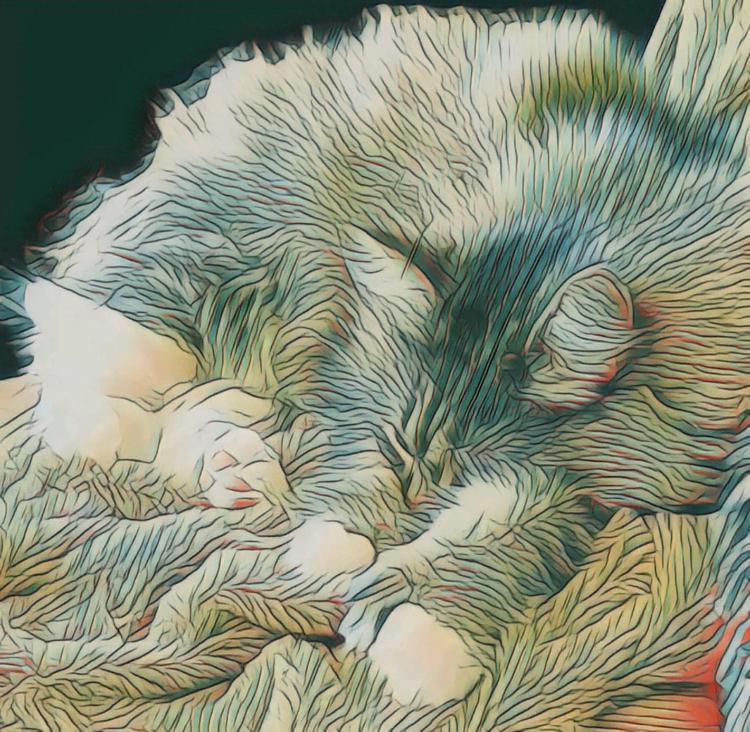
Research by French physiologist Michel Jouvet found that cats experience REM sleep and dream approximately 30 to 40 percent of the time they're sleeping, cycling through both rapid eye movement and non-rapid eye movement sleep stages similar to humans. |
 |
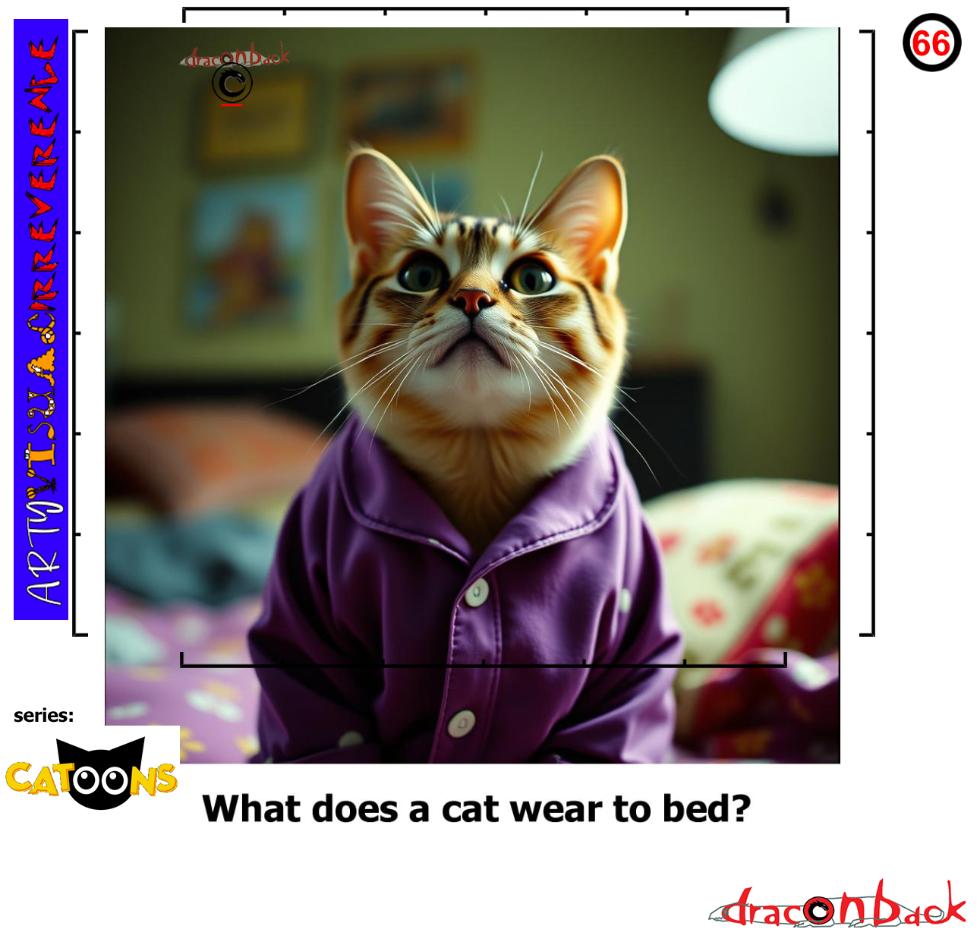
- Cats have dichromatic vision, meaning they see mainly in shades of blue and yellow, with muted greens. They lack red-sensitive cones, so colors containing red—like red, orange, and pink—appear as gray or brown. Because purple is a mix of red and blue, cats cannot perceive it as humans do. Instead, purple objects appear to them as dull or flat shades of blue rather than vivid violet. Cats’ limited color vision is not a disadvantage. Their superior night vision and motion detection evolved to support hunting at dawn and dusk. While they don’t see the full rainbow, their vision is optimized for survival rather than the aesthetics of choosing stylish nightwear.
|
- Cats sleep between 13 and 16 hours per day on average, roughly twice the amount their human owners require, with senior cats sleeping up to 20 hours daily due to tiring more quickly as they age.
|
 |
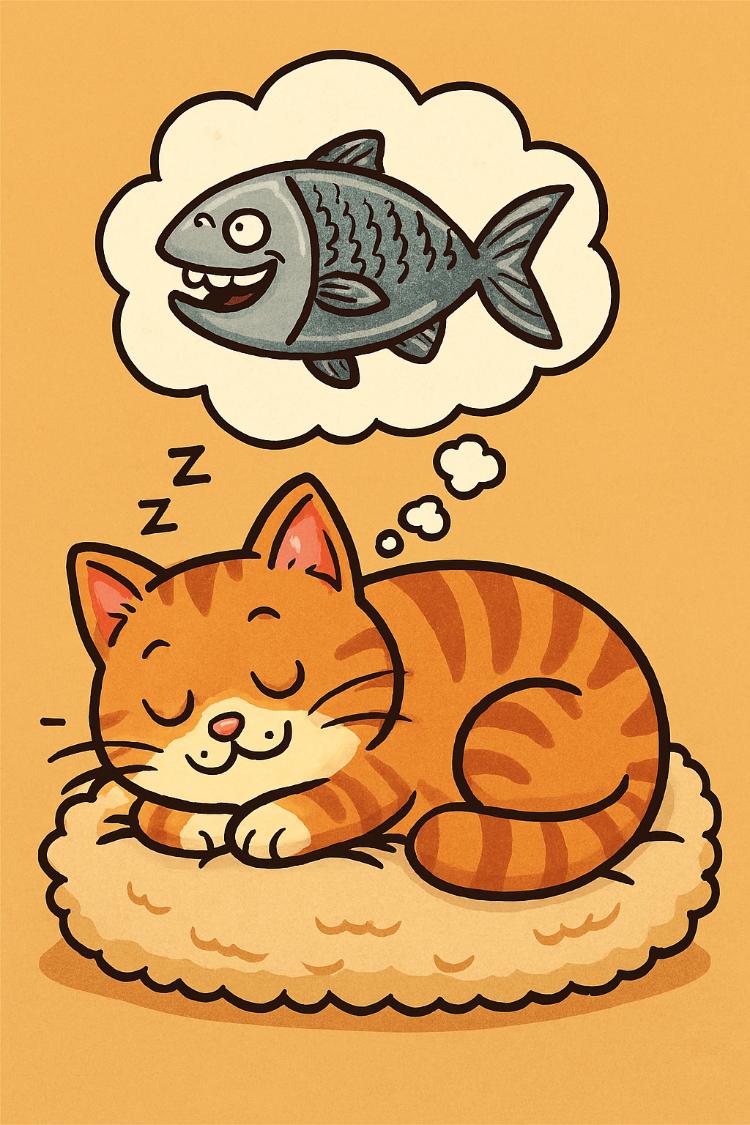 |
- During REM sleep, cats twitch their whiskers, paws, and tails—evidence that they dream much like humans, likely replaying hunting scenarios or social interactions.
|
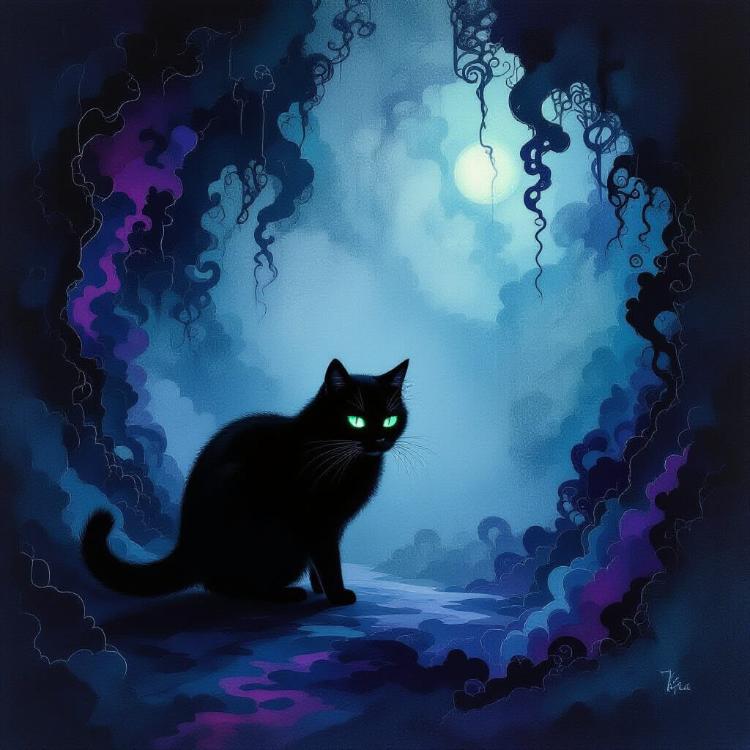
- In dream psychology, Sigmund Freud believed cats in dreams connected to daily life tension and the need for freedom, while Carl Jung considered cats archetypal symbols representing the anima (feminine aspects of the psyche) or the shadow self—the hidden, unconscious parts of ourselves we ignore or suppress. In other dream interpretation traditions, cats often symbolize intuition, independence, and mystery; in some cultures they represent feminine energy or hidden emotions, while in others they are protective spirits.
|
 |
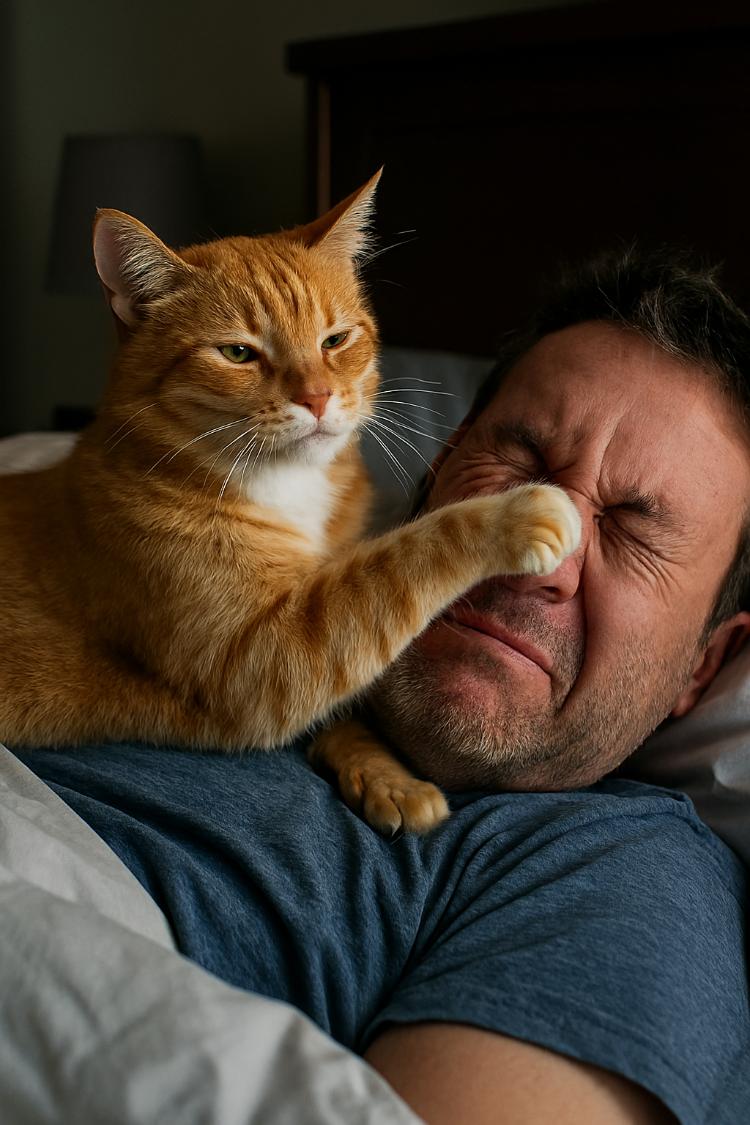 |
- A peer-reviewed study in the Swedish CArdioPulmonary bioImage Study found that cat ownership was associated with an 18% higher odds of failing to achieve the recommended seven hours of sleep per night compared to non-cat owners, potentially due to cats' crepuscular behavior disrupting owners' sleep when co-sleeping. A nationally representative study of 1,591 United States adults published in Scientific Reports found that co-sleeping with pets was associated with poorer perceived sleep quality and greater insomnia severity. A cat’s preference for warm sleeping spots means they often curl up beside humans, subtly raising perceived comfort but also increasing the risk of sleep disturbance or zoonotic disease exposure if hygiene is neglected.
|
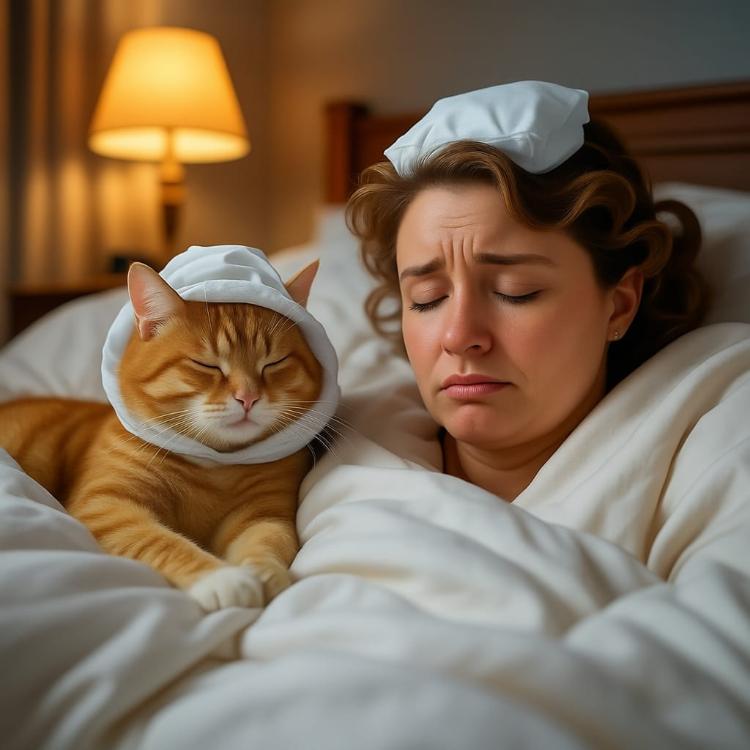
- Cats can transmit several diseases to humans, most notably toxoplasmosis (from feces, dangerous for pregnant women), cat scratch disease (from scratches/bites), ringworm (a fungal skin infection), and rarely rabies. Approximately 10-20% of the global population suffers from cat allergies about twice as common as dog allergies. Among patients with respiratory allergies specifically, around 20-30% are allergic to cats. Cat allergies aren't caused by fur itself but by proteins—especially Fel d 1—found in cat saliva, dander, and urine that spread to fur during grooming. These proteins become airborne easily and cause symptoms like sneezing, itchy eyes, coughing, and sometimes asthma in sensitive individuals.
|
 |
|
|