|
|
An economic philosophy of the Mao era was known as the "cat theory"— it doesn't matter if a cat is black or white as long as it catches mice— prioritizing practical market results over strict adherence to political ideology or dogma (although this principle was denounced during the Cultural Revolution. |
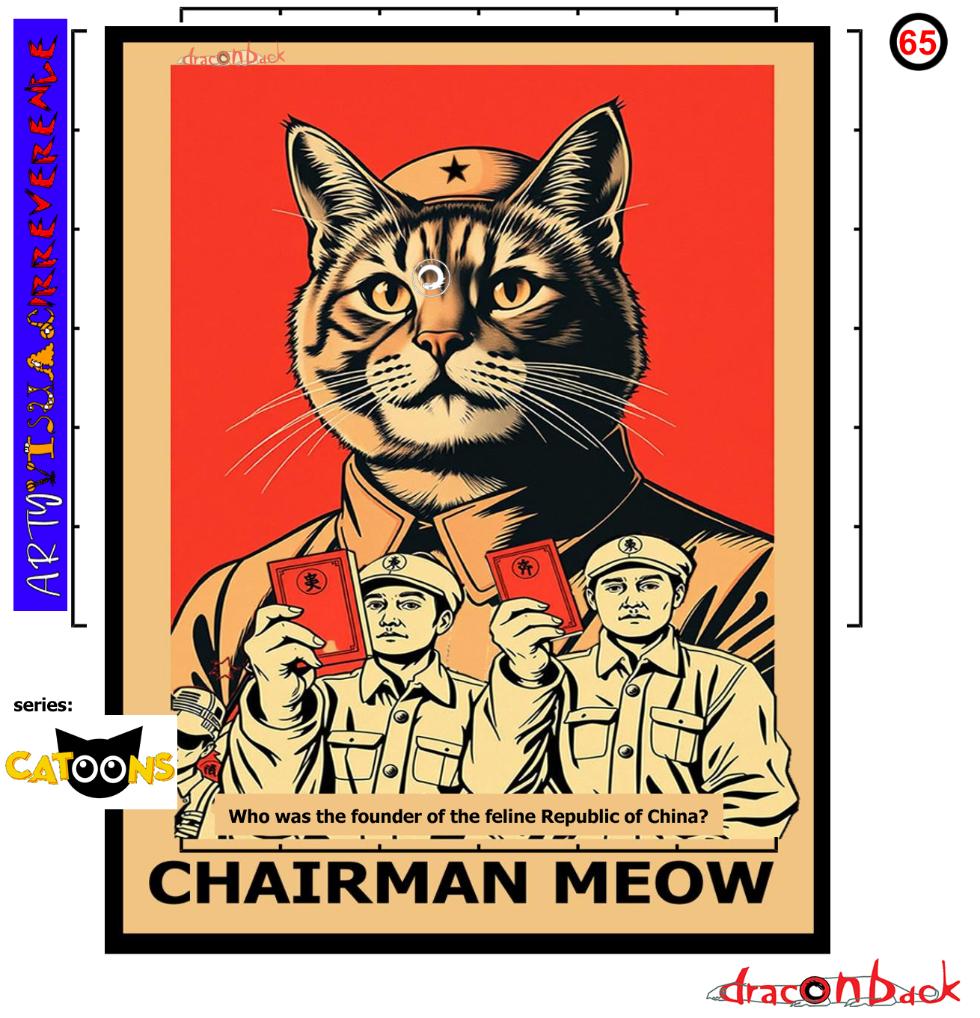 |
- During Mao Zedong’s Four Pests Campaign (1958–1962), cats were indirectly affected: rats were one of the “pests” targeted for extermination, which elevated cats’ symbolic role as natural rat hunters-- although they were sometimes targeted themselves if kept for non-utilitarian ends.
|
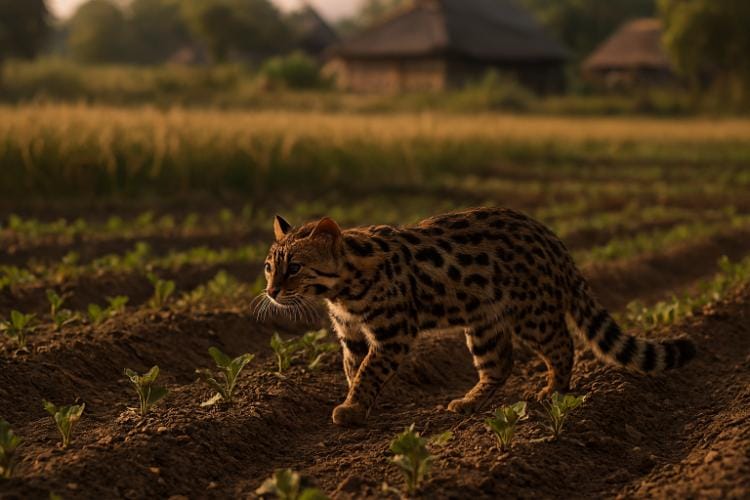
- Archaeological evidence shows that, before domestic cats arrived, leopard cats (Prionailurus bengalensis) lived commensally with humans in Chinese agricultural settlements as early as 5,300 years ago. But this species was never successfully domesticated and was eventually replaced entirely by domestic cats descended from the Middle Eastern wildcat. Early Chinese societies saw as practical allies in agriculture, though later dynasties celebrated cats in art and poetry.
|
 |
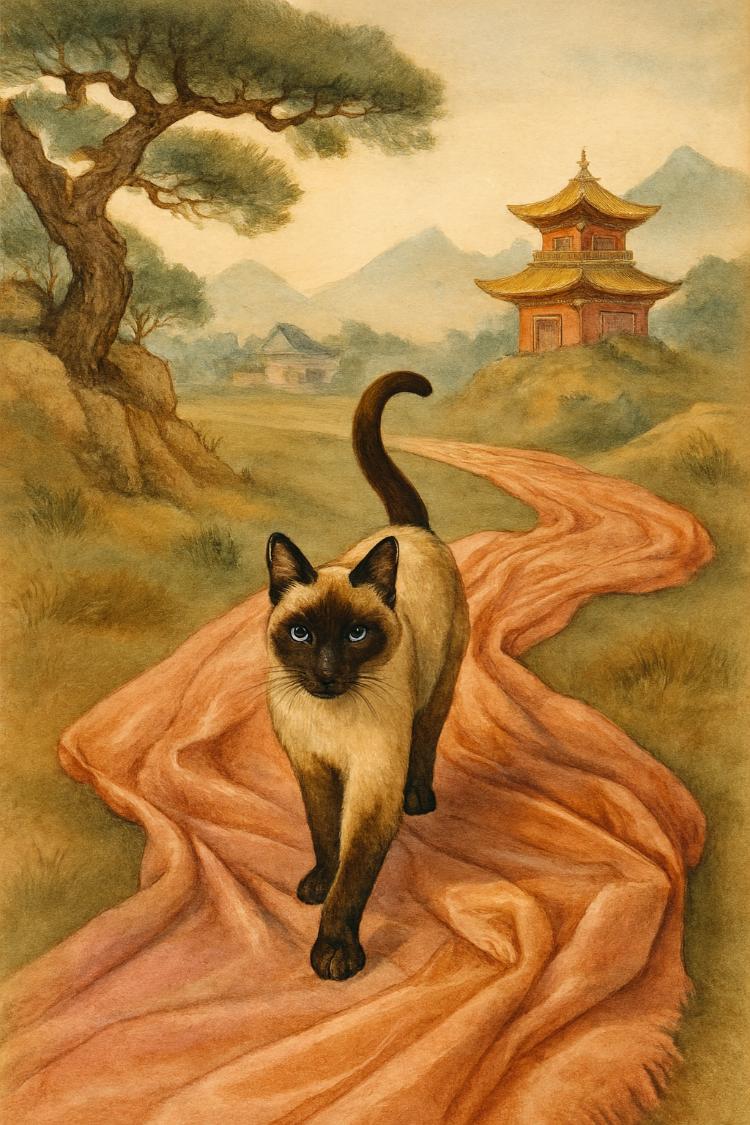 |
- Domestic cats likely arrived in China around 600 CE via the Silk Road, with the oldest confirmed domestic cat remains dating to the Tang Dynasty period between 706 and 883, over 1,500 years later than their introduction to Europe. The cat is not included in the Chinese zodiac because, in legend, the rat tricked it into missing the Jade Emperor’s race, in which with the first 12 animals to cross a celestial river are honored with a year named after them.
|
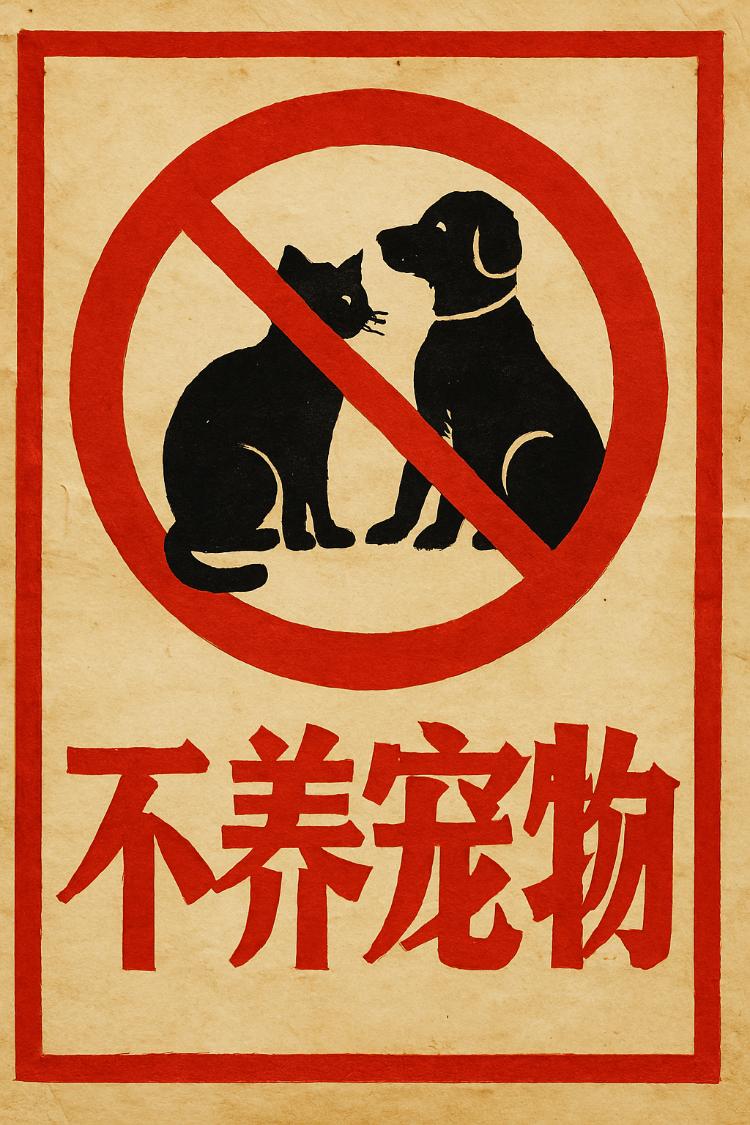
- During Mao Zedong's rule, pet ownership was condemned as bourgeois and counter-revolutionary, with Mao associating the keeping of pets and sympathy for animals with the exploiting class, arguing that the proletariat should prioritize self-sufficiency over such indulgences. Mao's Red Guards killed pet dogs by the tens of thousands as symbols of the pampered bourgeoisie that the Communist regime sought to eradicate and in the patriotic extermination drives, cats were sometimes culled alongside civets and other small animals, reflecting the regime’s utilitarian view of nature.
|
 |
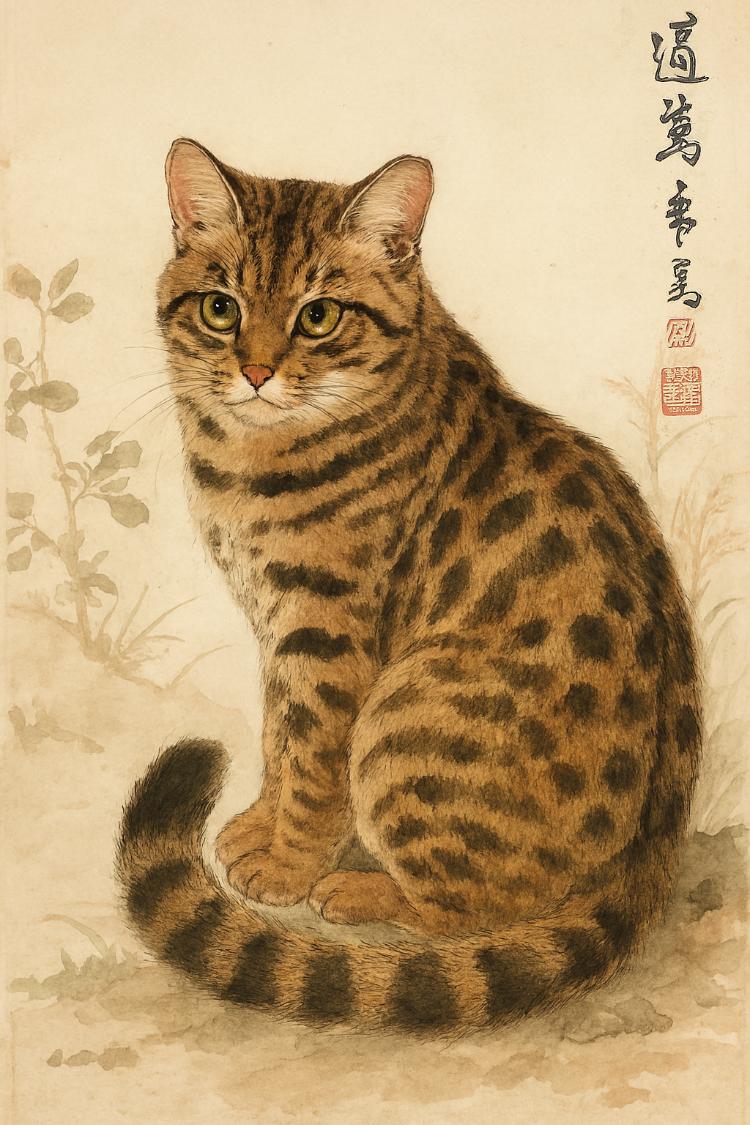 |
- In modern China, cats have resurged as cultural icons, with the Dragon Li (líhuā māo) celebrated as a native breed linked to ancient landrace cats, symbolizing continuity between traditional folklore and contemporary pet culture.
|
|
|



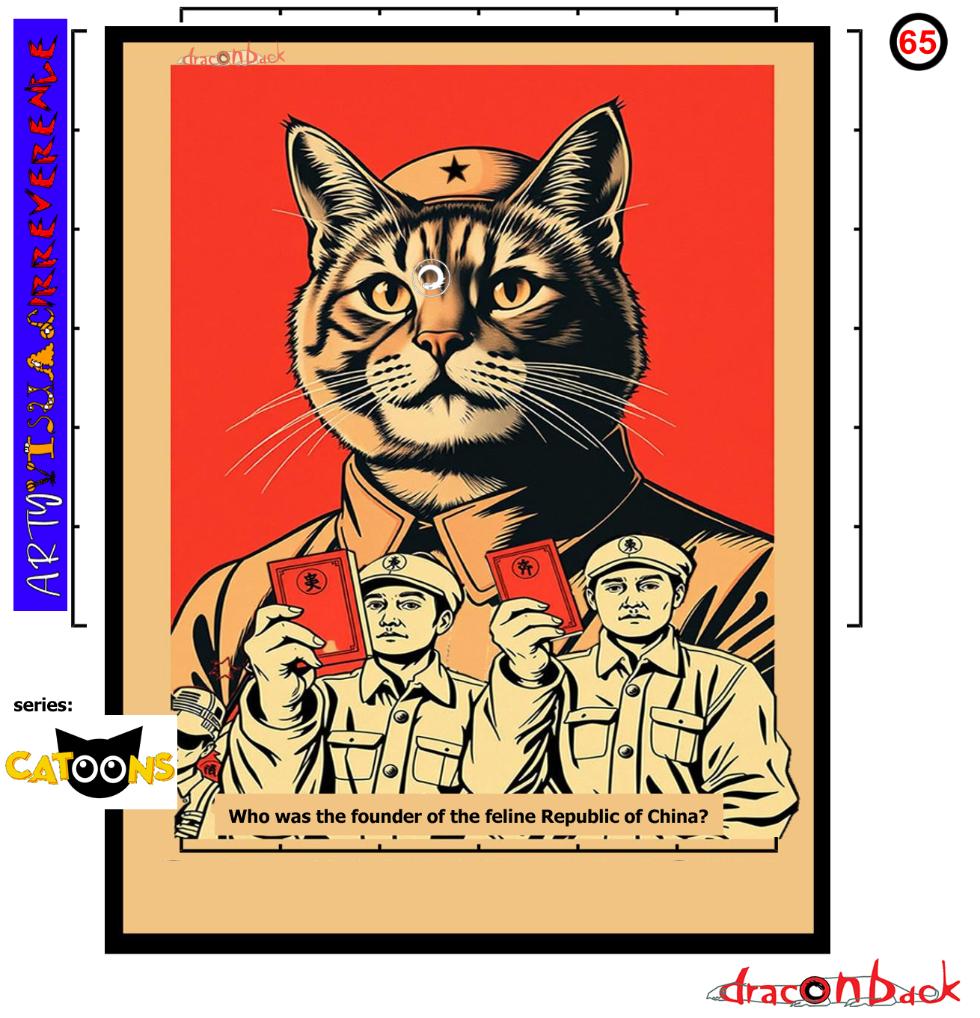 Riddle answer is in the top graphic below: