|
|
Army duty wasn’t for Jimi Hendrix—his relentless focus on guitar playing during off-hours and even training exercises as a paratrooper in the 101st Airborne Division-- led his superiors to conclude he wasn’t cut out for military life, resulting in an honorable discharge after just one year.
|
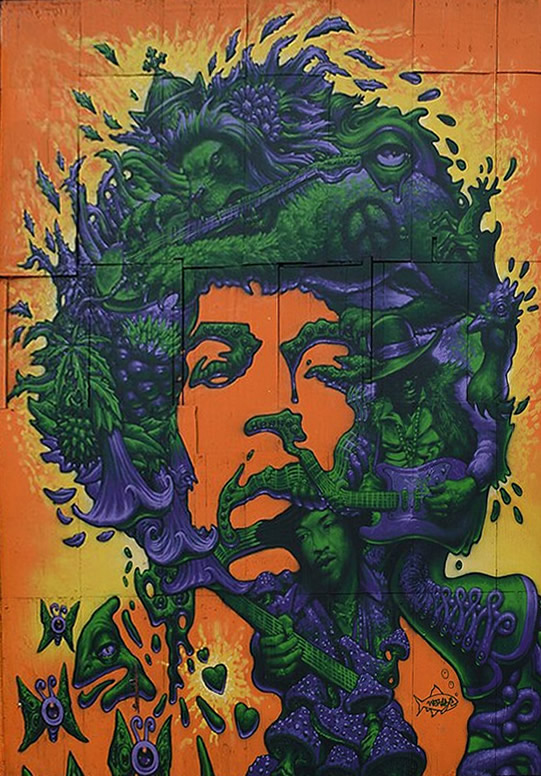 |
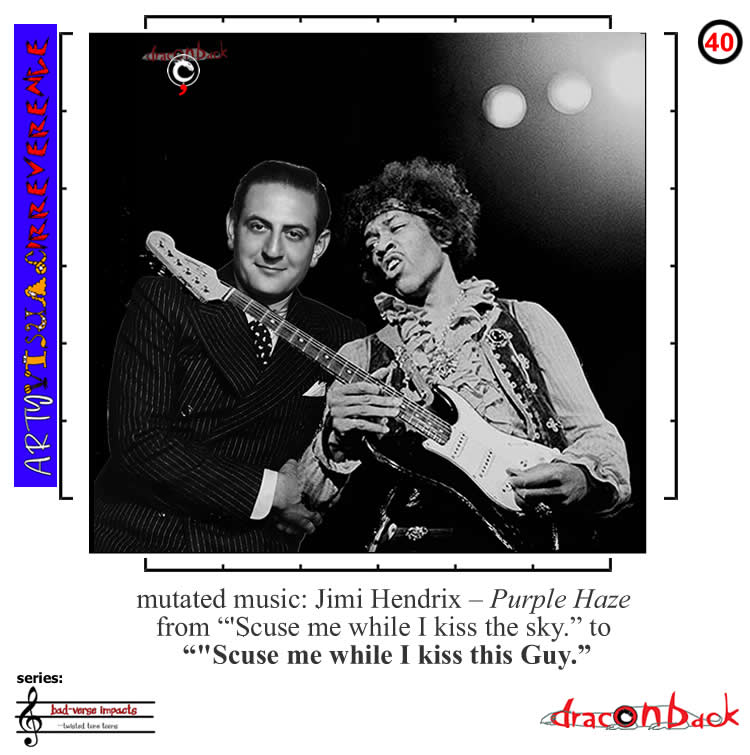
JIMI HENDRIX
- Hendrix was naturally left-handed and taught himself to a right-handed instrument flipped upside down and restrung for left-handed playing so the thickest string was on top, which contributed to his unique sound since the string tension and pickup positioning were unconventional.
- Despite his legendary status as a guitarist, he actually considered himself a songwriter first and viewed the guitar primarily as a tool to express his musical ideas rather than an end in itself.
- Before he hit it big, Hendrix worked as a sideman for acts like Little Richard and The Isley Brothers, performing under the name Jimmy James.
- He couldn’t read sheet music—he learned everything by ear, often describing sounds in vivid, emotional terms.
- In a surprising twist of rock history, Hendrix briefly opened for The Monkees in 1967, but their pop-loving audience didn’t quite know what to make of him.
- Because of his flashy dress he was once mistaken for a clown and denied service at a bar in Liverpool. The circus was in town, and the bar had a strict “no clowns allowed” policy.
|
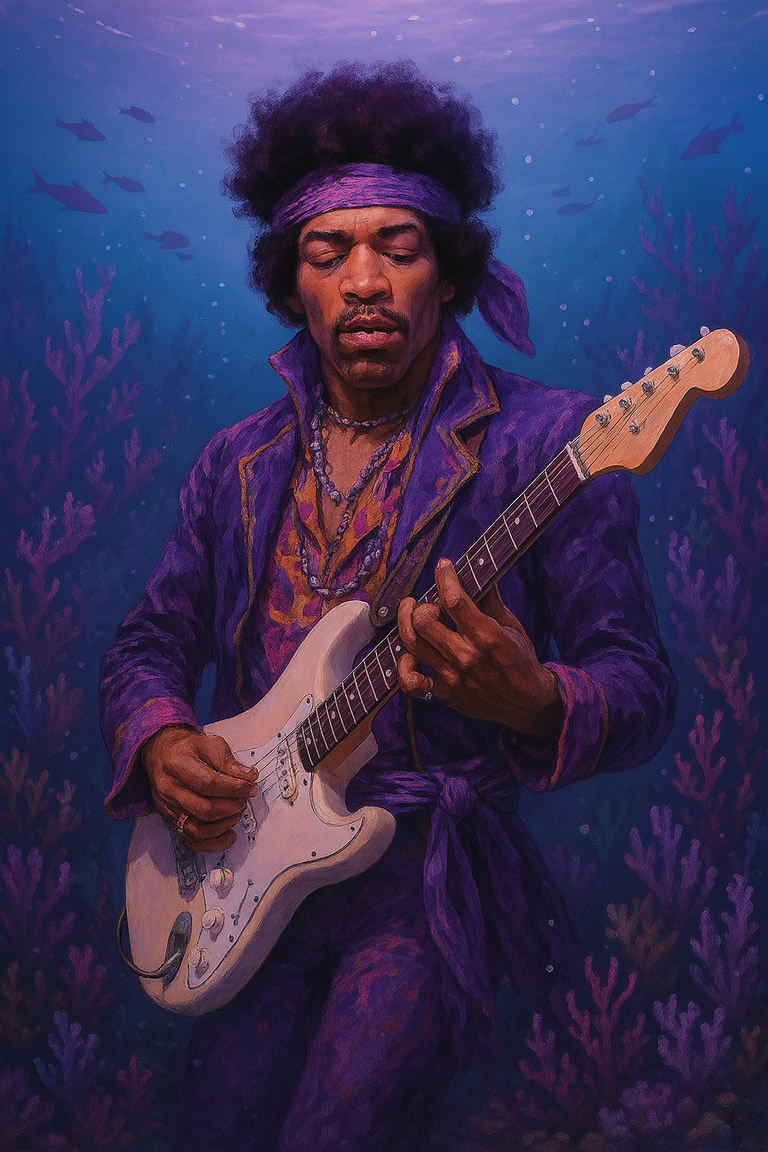
PURPLE HAZE
-
The song's famous opening riff was reportedly inspired by a dream Hendrix had, and he kept a guitar by his bed specifically to capture musical ideas that came to him during sleep or upon waking.
-
Contrary to popular belief, "Purple Haze" wasn't originally about drug use—Hendrix claimed it was inspired by a science fiction novel,Philip José Farmer’s Night of Light, in which he read about being trapped in a purple haze under the sea, though he later embraced the psychedelic interpretations.
-
The distinctive sound of the track came partly from the song’s signature echo effect, for which Hendrix and producer Chas Chandler recorded background sounds by placing headphones around a microphone—an unconventional trick that added to the song’s surreal vibe-- and Hendrix's use of a Dallas Arbiter Fuzz Face pedal, which created the fuzzy, distorted tone that became synonymous with his style and influenced countless guitarists who followed.
-
The song was inducted into the Grammy Hall of Fame, recognizing its lasting impact on music and culture. It’s also ranked among the greatest guitar songs of all time by Rolling Stone and Q Magazine.
|
|
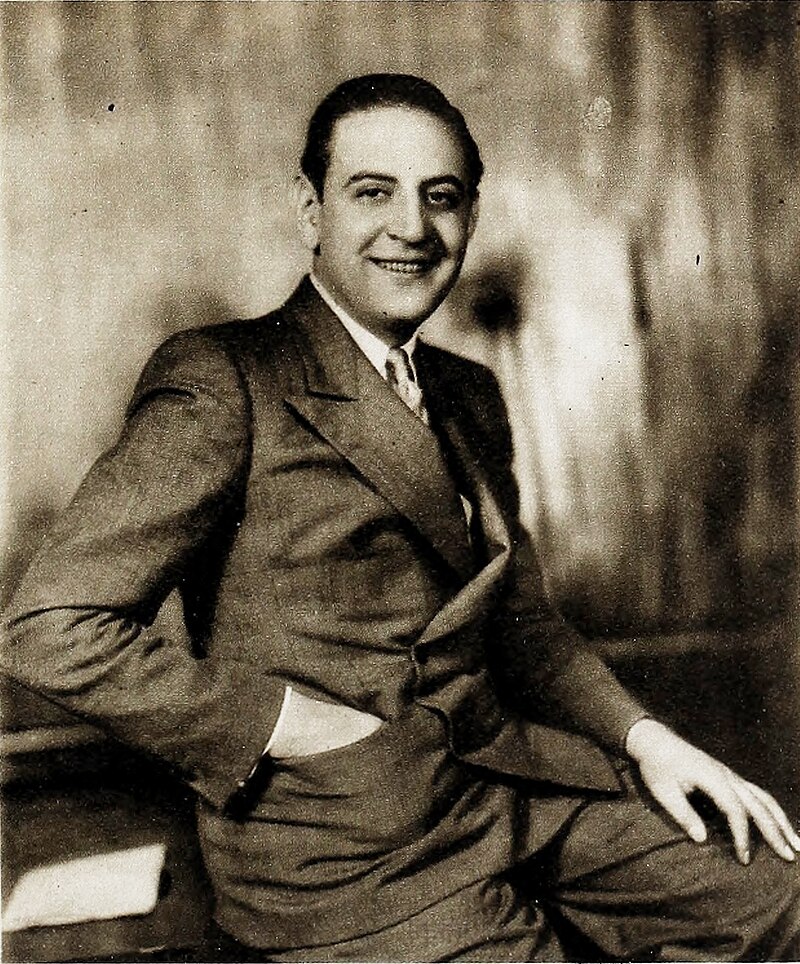 |
GUY LOMBARDO
- Lombardo and his Royal Canadians orchestra became so synonymous with New Year's Eve celebrations that their version of "Auld Lang Syne" was broadcast live from the Roosevelt Hotel in New York City for over 30 years, essentially defining how Americans celebrated the transition to the new year.
- Despite being Canadian, he became known as "Mr. New Year's Eve" in America and sold over 100 million records during his career, making him one of the best-selling artists of the pre-rock era.
- He held 19 gold records and was surprisingly passionate about speedboat racing, winning the Gold Cup for hydroplane racing in 1946—a hobby that was completely at odds with his image as a sweet, sentimental bandleader.
- His famous "sweet" sound was actually developed by accident when a Cleveland nightclub owner demanded the band slow down their tempos, play softer, and accommodate patron requests with medleys during their two-year residency at the Claremont Tent.
|
GUYS KISSING
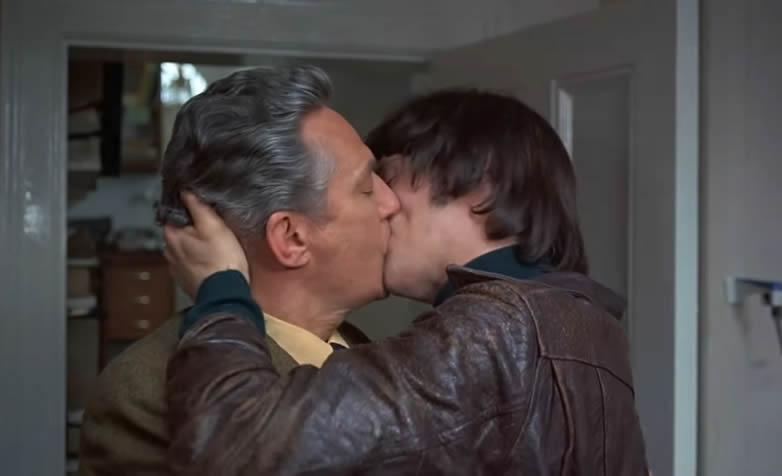
- The first significant same-sex male kiss in a major Hollywood film appeared in "Sunday Bloody Sunday" (1971) between Peter Finch and Murray Head. The film was a mainstream drama that wasn't specifically categorized as a "gay film," and the kiss was portrayed as natural and unashamed rather than tragic or sensationalized.
- The scene caused considerable controversy at the time, with some theaters refusing to show the film and others editing out the kiss, but it marked a turning point in Hollywood's willingness to depict homosexual relationships with dignity rather than as objects of ridicule or pity.
- Norms have changed over the years in North America and associcated poll data shows a clear generational pattern where each younger generation is about twice as likely as the generation that preceded it to identify as LGBTQ+-- when polled, 28% of Gen Z adults identified as LGBTQ+, with 31% of Gen Z women doing so compared to 12% of Gen Z men.
|
|
|
|