|
|
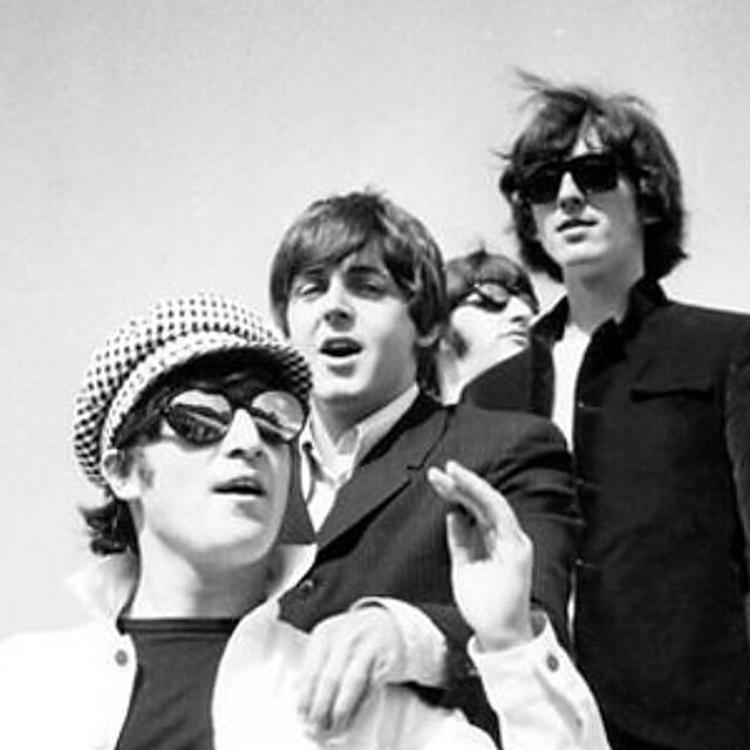
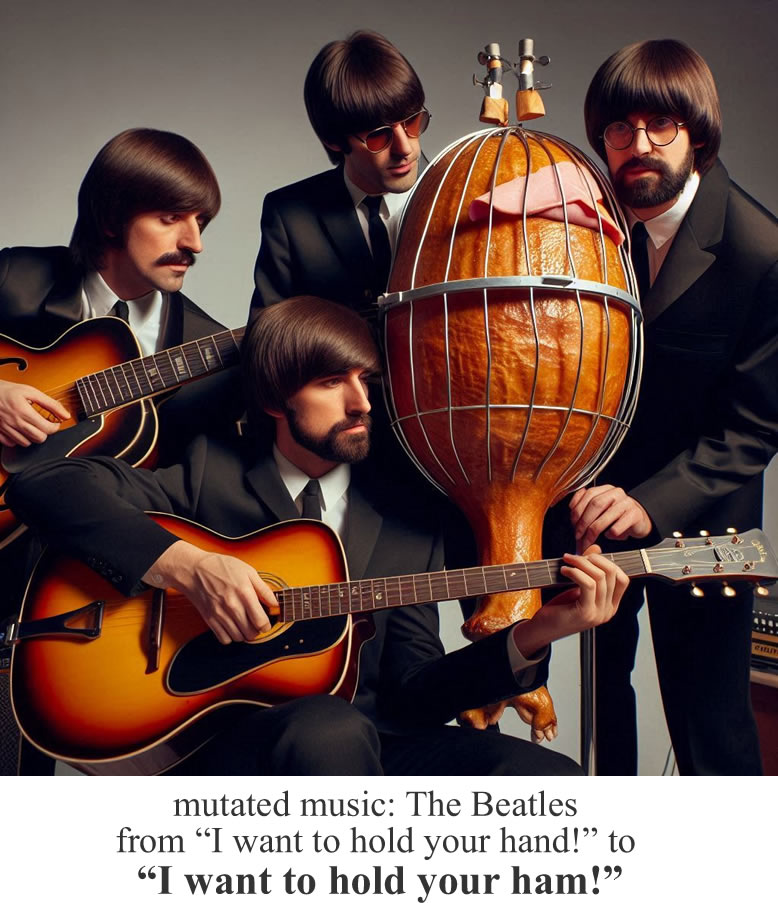
Reflecting their musical style, the name “Beatles” was proposed by Stuart Sutcliffe as a clever twist on “Beetles” — a nod to Buddy Holly’s band “The Crickets” — with the “ea” spelling highlighting the word “beat.” Originally, the group was called “The Quarrymen” when John Lennon formed it in 1957.
|
|
THE BEATLES
- Ringo Starr wasn't the Beatles' first drummer—Pete Best held that position for two years before being replaced just before the band's major breakthrough, a decision that remains one of rock music's most controversial personnel changes and sparked riots among Best's devoted fans in Liverpool.
- The Beatles' famous "mop-top" haircuts were actually inspired by their friend Astrid Kirchherr, a German photographer they met in Hamburg, who styled Stuart Sutcliffe's hair in what would become the iconic Beatles look—making a German art student inadvertently responsible for one of the most copied hairstyles in history.
- None of the Beatles could read sheet music; they relied entirely on their ears and intuition for songwriting and performing.
|
- “Yesterday” has been covered over 1,600 times, making it the most recorded song in history.
- In April 1964, the Beatles occupied all five of the top positions on the Billboard Hot 100, an achievement no other artist has matched.
- George Harrison’s fondness for Jelly Babies led American fans to throw jelly beans at the band during concerts — which turned out to be more painful than sweet.
- The band was famously rejected by Decca Records in 1962, who told them guitar groups were going out of style.
- They once bought a small Greek island with dreams of turning it into a Beatles commune, though the plan eventually faded.
- Paul McCartney originally filled in the melody for “Yesterday” with nonsense lyrics that began with “Scrambled eggs…” while he waited for the real words to come.
- The Beatles’ final live performance was an impromptu rooftop concert atop Apple Corps headquarters in London on January 30, 1969. It was shut down by police after 42 minutes.
|
|
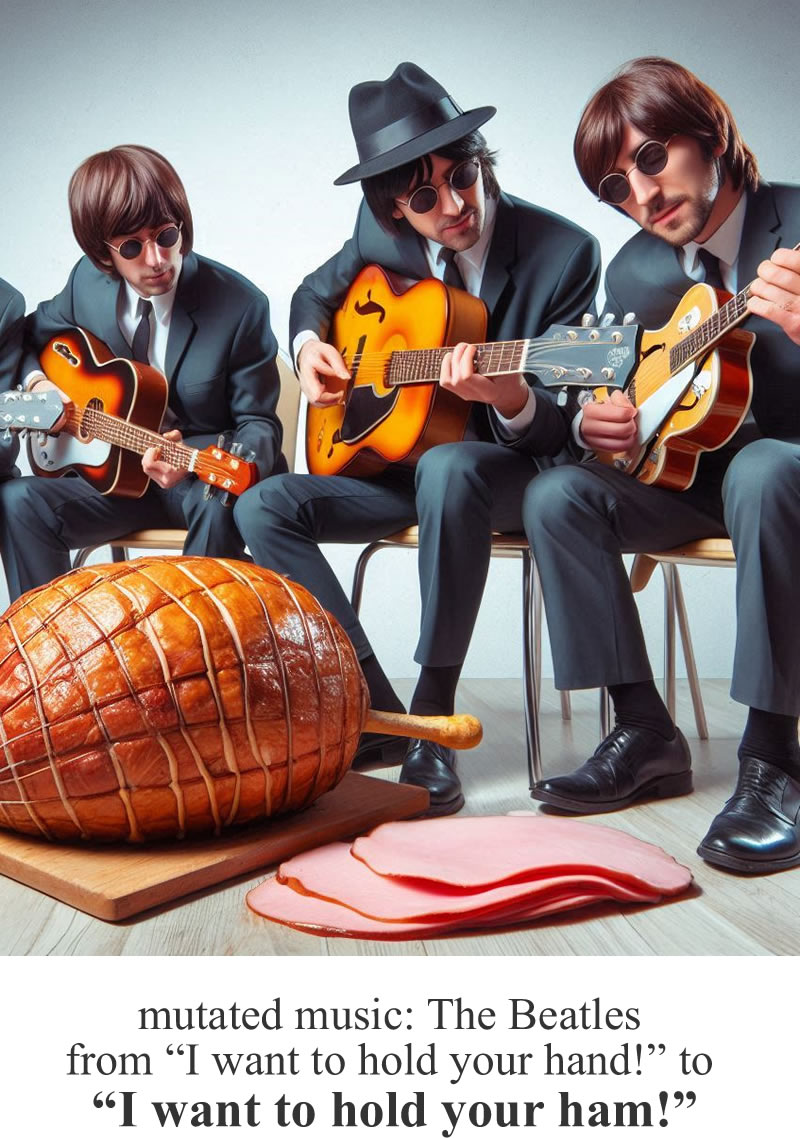 |
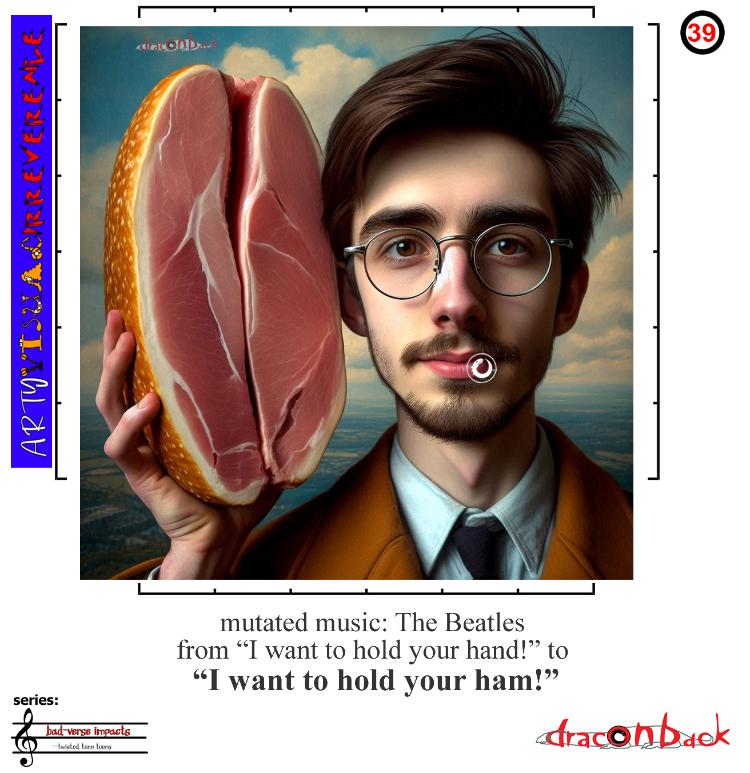
I WANT TO HOLD YOUR HAND
- The song was written in the basement of Jane Asher's family home in London, where Paul McCartney was living at the time, with Lennon and McCartney composing it together at the piano in what they later described as one of their most collaborative and effortless writing sessions.
- I Want to Hold Your Hand" was strategically released in the United States with a massive promotional campaign by Capitol Records, including the distribution of five million "The Beatles Are Coming" stickers, which helped create the phenomenon known as "Beatlemania" when the band arrived in America in February 1964.
- It was the first Beatles song to hit No. 1 in the U.S., officially launching Beatlemania across the Atlantic.
- The song knocked "There! I've Said It Again" by Bobby Vinton off the number one spot on the Billboard Hot 100, marking the beginning of the British Invasion, and remained at the top for seven consecutive weeks, selling over one million copies in just ten days.
- It was the first Beatles track recorded on four-track equipment, allowing for more complex production than their earlier two-track recordings.
- The band also recorded a German version called “Komm, Gib Mir Deine Hand” to appeal to their growing fanbase in Germany.
|
HAM
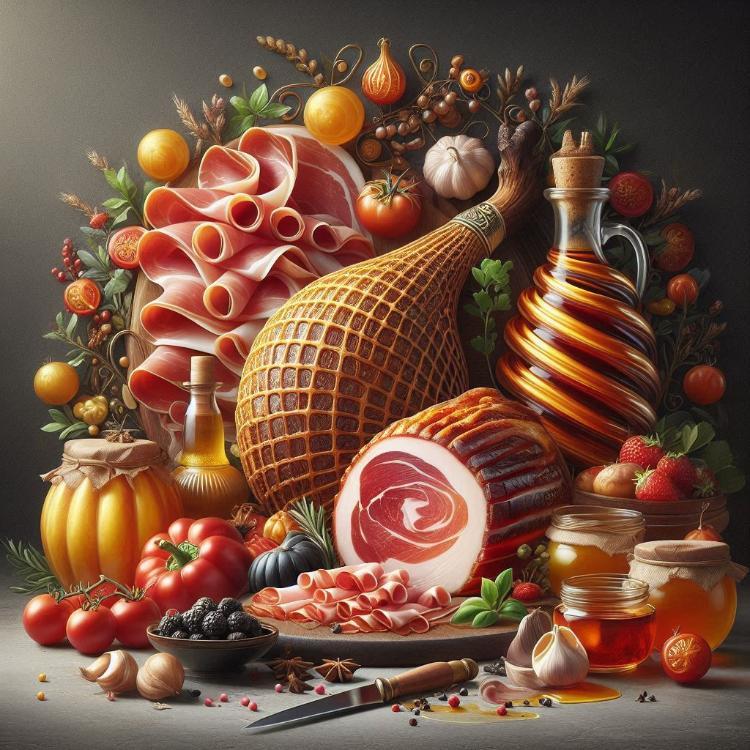
- The term "ham" originally referred specifically to the hind leg of a pig, derived from the Old English "hamm" meaning the hollow or bend of the knee, which is why we still use anatomical terms like "hamstring" to refer to the tendons in the back of the human thigh.
- Prosciutto di Parma, one of the world's most prized hams, can only be produced in a specific region of Italy using pigs fed a regulated diet that includes whey from Parmigiano-Reggiano cheese production, and the curing process takes a minimum of 400 days under strict temperature and humidity controls.
- Spanish Jamón Ibérico de Bellota, often called the world's finest ham, comes from black Iberian pigs that roam oak forests eating acorns, which gives the meat its distinctive nutty flavor and marbled appearance—with the finest grades selling for over $100 per pound.
- The honey-glazed spiral-cut ham that's become synonymous with American holidays was invented in 1957 by Harry J. Hoenselaar, who created the first spiral-slicing machine in his Detroit basement, revolutionizing how ham is prepared and served in American households.
|
 |
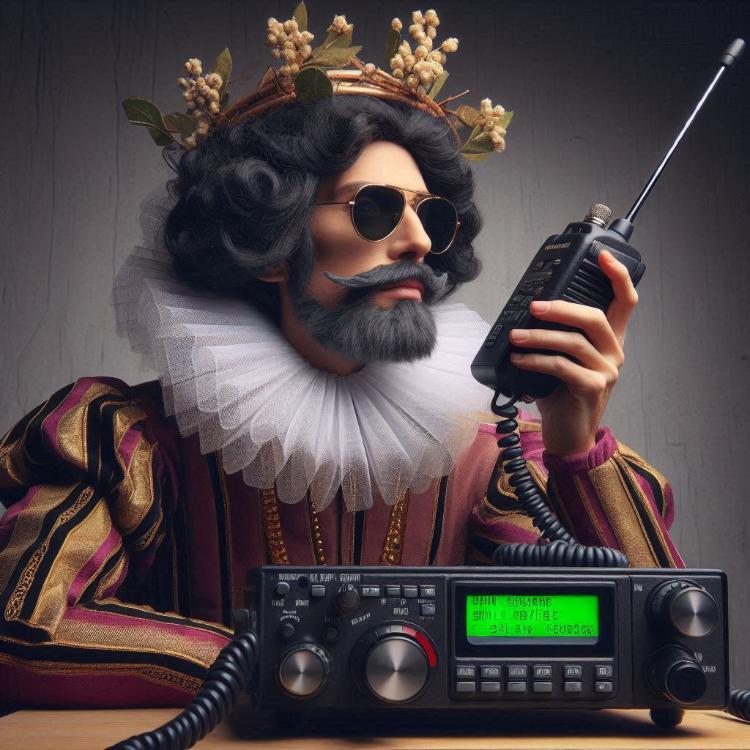 |
HAM RADIO
- Ham radio operators got their nickname not from the meat, but from an early amateur radio station called "HAM" (using the first letters of three operators' last names: Hyman, Almay, and Murray), and the term stuck as a way to distinguish amateur radio enthusiasts from professional operators.
- The phenomenon of "ham" overacting in theater comes from 19th-century minstrel shows, where performers would use ham fat to remove their blackface makeup, leading "ham" to become slang for theatrical performers and eventually evolving to describe overly dramatic acting styles.
- The International Space Station has a ham radio station, and astronauts regularly chat with Earth-bound operators. The first ham in space? Dr. Owen Garriott, who used the call sign W5LFL.
|
MONDEGREEN MISCELLANY
- The most common mondegreen associated with "I Want to Hold Your Hand" occurs with the line "I can't hide," which some listeners interpret as "I get high," a misinterpretation that gained particular attention during the height of speculation about drug references in Beatles songs, though this reading requires ignoring the song's obvious romantic context. However, Bob Dylan also misheard the lyric as “I get high,” which led to him introducing the Beatles to marijuana later that year.
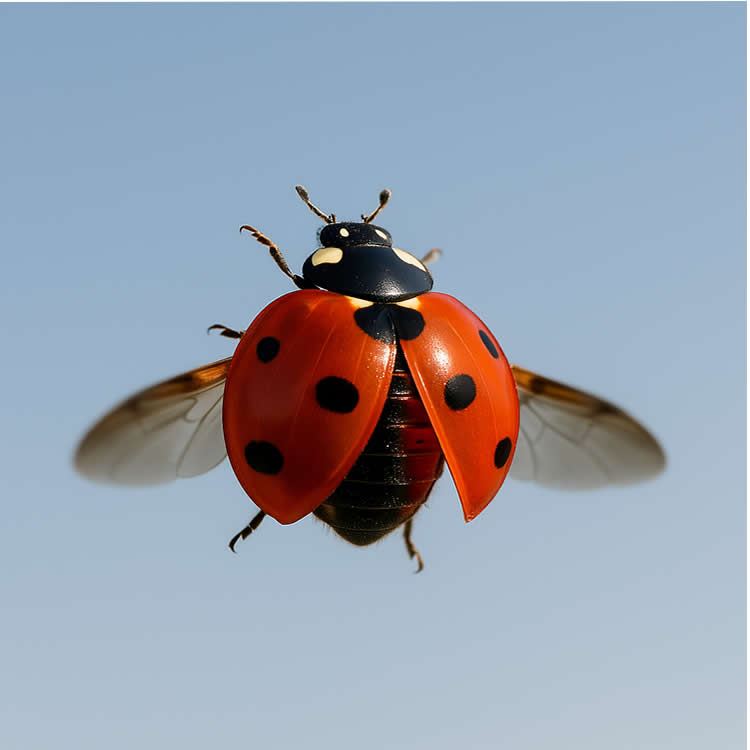
- Some ladybird beetles (Coccinella septempunctata and Harmonia axyridis) have been detected by radar at altitudes over 1,100 meters (approximately 3,600 feet), though the majority were flying at 150-195 meters above ground level.
|
 |
|
|