|
|
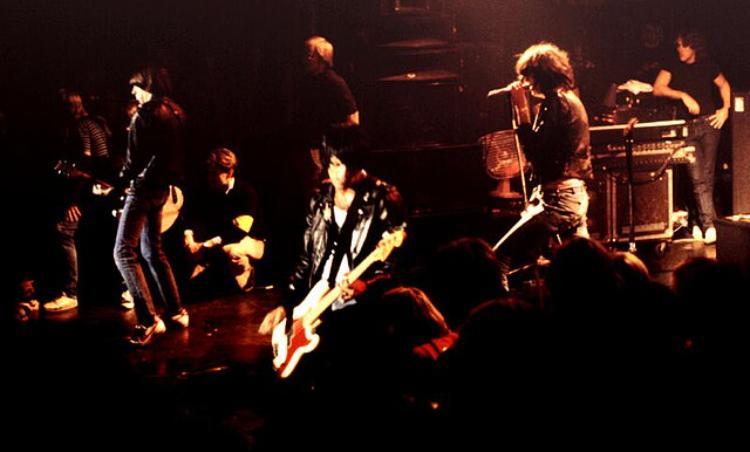
Original members adopted the surname "Ramone" as a stage persona, inspired by Paul McCartney's early pseudonym "Paul Ramon," though they weren't related and often had tense personal relationships offstage, with guitarist Johnny and bassist Dee Dee particularly clashing over musical direction and lifestyle choices.
|
|
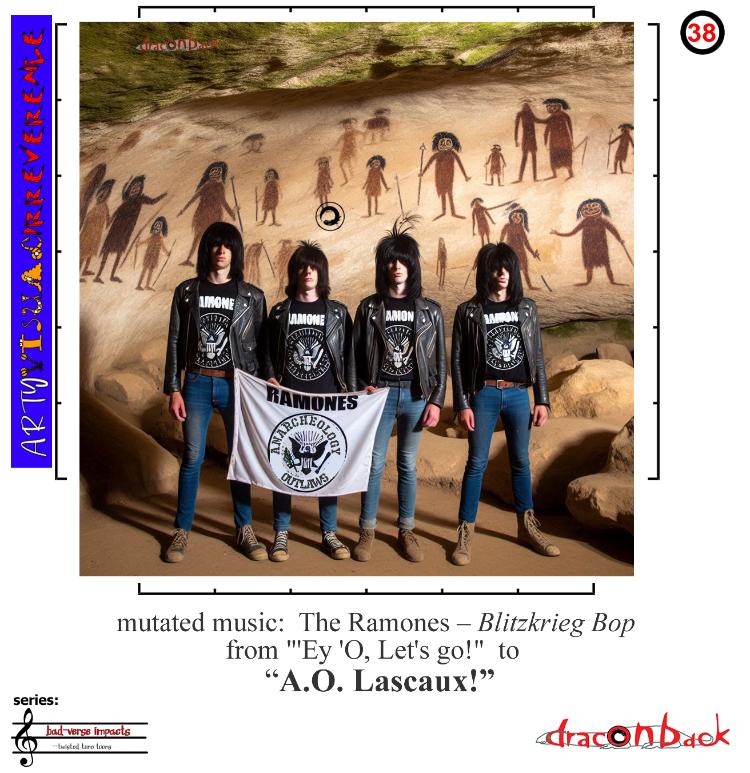
THE RAMONES
- Despite being credited with inventing punk rock, the Ramones were actually heavily influenced by 1960s bubblegum pop and girl groups, with their simple three-chord progressions and catchy melodies deliberately mimicking the structure of songs by The Ronettes and The Shangri-Las rather than trying to create something entirely new.
- The band's iconic uniform of leather jackets, ripped jeans, and Converse sneakers was partly born from necessity - they were too poor to afford elaborate stage costumes, so they simply wore their everyday clothes, inadvertently creating one of rock's most enduring and widely imitated looks.
|
|
LASCAUX CAVE PAINTINGS
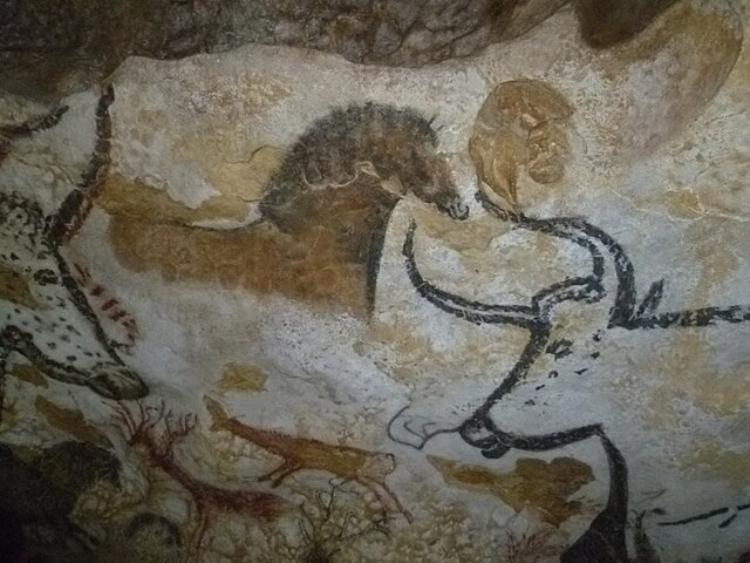
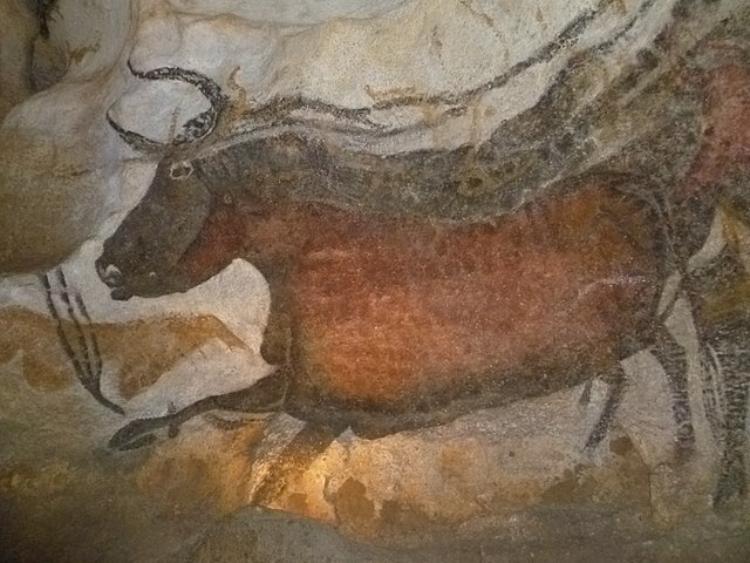
- The Lascaux cave paintings were discovered in 1940 by four teenagers whose dog fell into a hole, revealing what many consider the finest example of Paleolithic art ever found, with over 600 painted animals and symbols dating back approximately 17,000 years.
- The artists used sophisticated techniques including shading, perspective, and the natural contours of cave walls to create three-dimensional effects, suggesting a level of artistic sophistication that challenged assumptions about prehistoric human capabilities and cultural development.
|
-
The original cave was closed to public access in 1963 because visitors' breath and body heat were causing irreversible damage to the paintings through carbon dioxide buildup and temperature fluctuations, leading to the construction of Lascaux II, a precise replica built nearby that allows tourists to experience the artwork without further endangering the originals.
-
The cave contains close to 600 paintings – mostly of animals – along with around 1,400 engravings. Horses are the most numerous subjects, but there are also deer, aurochs, ibex, bison, and even some felines.
|
|
|
-
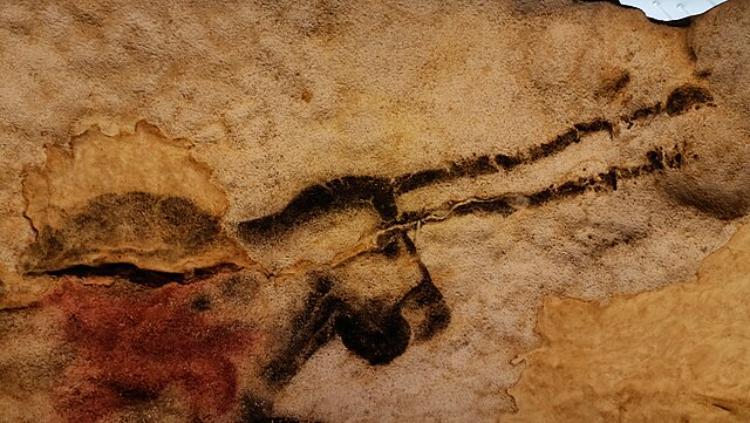
The"unicorn" figure, in the spectacular Hall of the Bulls composition of the cave, earned its nickname because of "two straight lines on its forehead" on a "horse-like animal".
-
Unlike other Lascaux animals that clearly represent known Ice Age fauna (horses, aurochs, bison, deer), this creature doesn't clearly match any known single animal species from the period.
-
Since the body shape is somewhat ambiguous - possibly interpreted as equine, bovine, or even feline-- and appears pregnant-- the "unicorn" may represent something more symbolic or mythological.
|
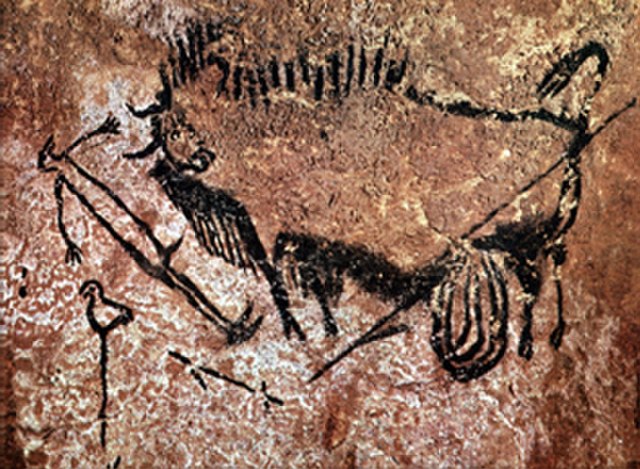
- A figure of a man with a bird's head, has been interpreted as perhaps representing a shaman. Other theories posit that the image portrays the soul of a hunter, killed during a hunt, flying out of his body-- gored by the auroch he assisted in disemboweling before the tables were turned.
- Recent theories link some paintings with constellations like the Pleiades and Taurus, or connect them with ritual dancing.
- The "shaman" and "unicorn" renditions demonstrate that even 17,000 years ago, human artists were capable of creating art that went beyond simple representation into the realm of imagination and possibly spiritual symbolism.
|
|
| you can see more about prehistoric cave art in episode 12 |
|
|