|
|
Concert goers at London’s Rainbow Theatre in 1972 were blasted by the band’s legendary 117-decibel performance—an ear-splitting feat that earned them a spot in the Guinness Book of World Records as the world’s loudest rock band at the time, though the record was later surpassed and measured before modern sound systems made such volumes obsolete in large venues.
|
.jpg) |
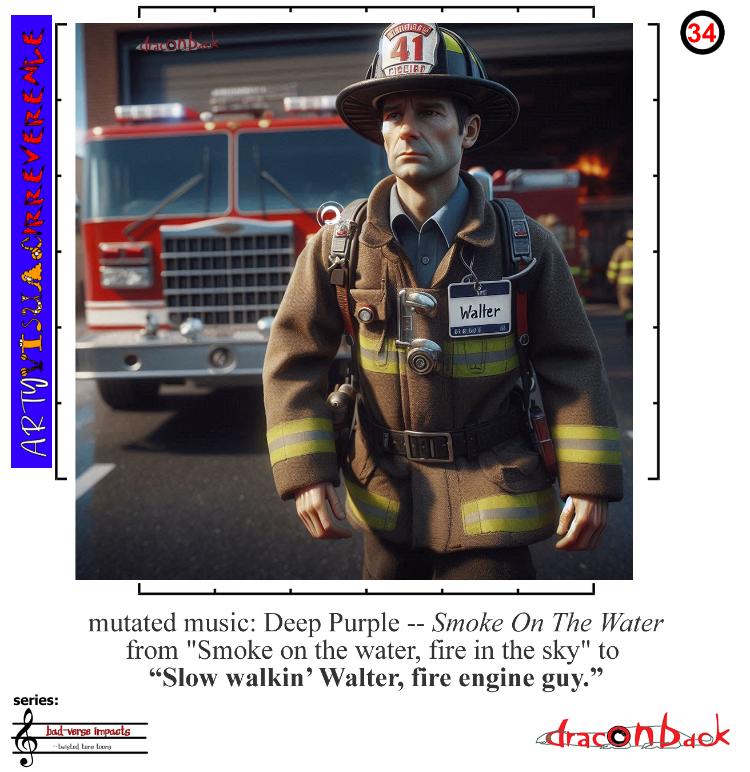
DEEP PURPLE
Deep Purple's lineup changes were so frequent and dramatic that fans commonly refer to different eras as "Mark I," "Mark II," etc., with the classic "Mark II" lineup featuring Ian Gillan and Ritchie Blackmore being considered the definitive version, though the band has continued through "Mark IX" with only organist Jon Lord maintaining consistent membership for decades. Ritchie Blackmore's innovative guitar techniques included being one of the first rock guitarists to incorporate classical music structures and neo-baroque elements into heavy metal, directly influencing the development of both progressive rock and later symphonic metal genres. |
SMOKE ON THE WATER
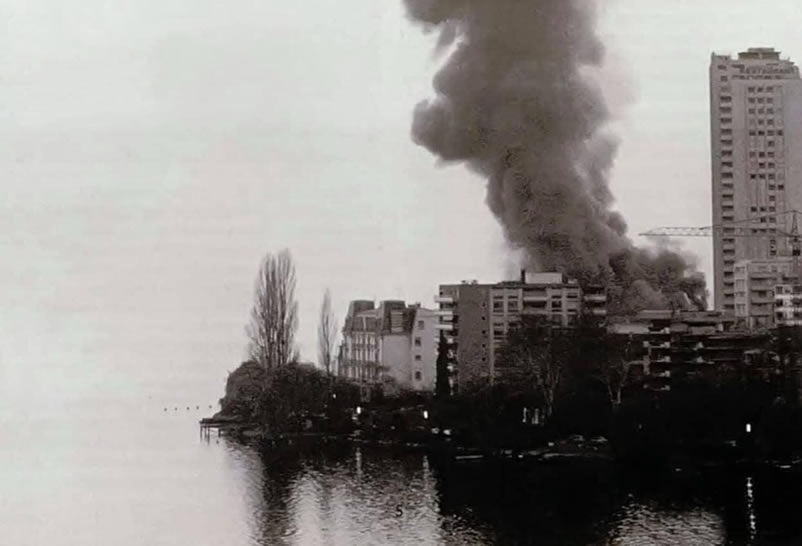
- The song chronicles a real event that occurred on December 4, 1971, when the band was recording at the Montreux Casino in Switzerland and witnessed a fire during a Frank Zappa concert caused by a fan firing a flare gun, with the "smoke on the water" referring to the literal smoke drifting across Lake Geneva from the burning building.
- The iconic four-note guitar riff in G minor was written by Ritchie Blackmore and has become one of the most recognizable and frequently taught guitar riffs in rock history, though Blackmore has expressed frustration that this relatively simple riff overshadowed his more complex musical compositions.
- Despite being one of rock's most famous songs, "Smoke on the Water" was never intended as a single and was buried as a deep album track on "Machine Head" until American radio DJs discovered it and began playing it heavily, eventually forcing the record label to release it as a single in 1973, two years after the album's release.
|
|
 |
FIREFIGHTERS
- Modern firefighters spend only about 10-15% of their time actually fighting fires, with the majority of their calls involving medical emergencies, car accidents, hazardous material incidents, and technical rescues, leading many departments to rebrand as "fire and rescue services" to better reflect their diverse responsibilities.
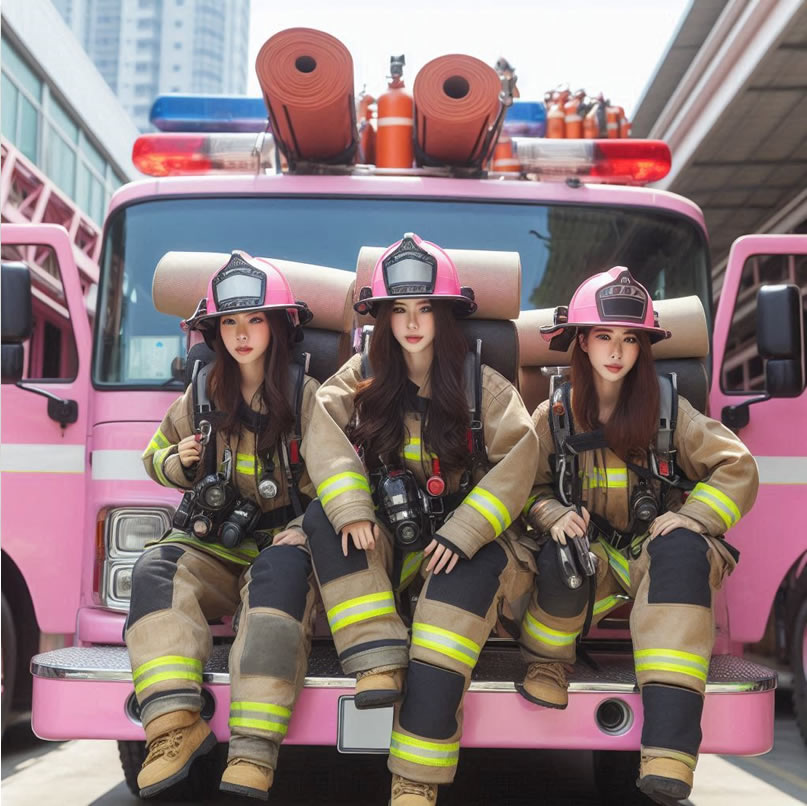
- The traditional red color of fire trucks isn't universal - some departments use yellow, green, or even pink vehicles, with the choice often based on visibility studies showing that certain colors are more easily seen in specific lighting conditions, though red remains popular partly due to historical tradition and public expectation.
- Firefighter turnout gear can weigh up to 75 pounds when fully equipped, and the physical demands of the job are so intense that firefighters have a significantly higher rate of heart attacks and heat-related illnesses compared to other professions, with many departments now incorporating extensive fitness programs and cardiac monitoring to protect their personnel.
|
|
|