|
|
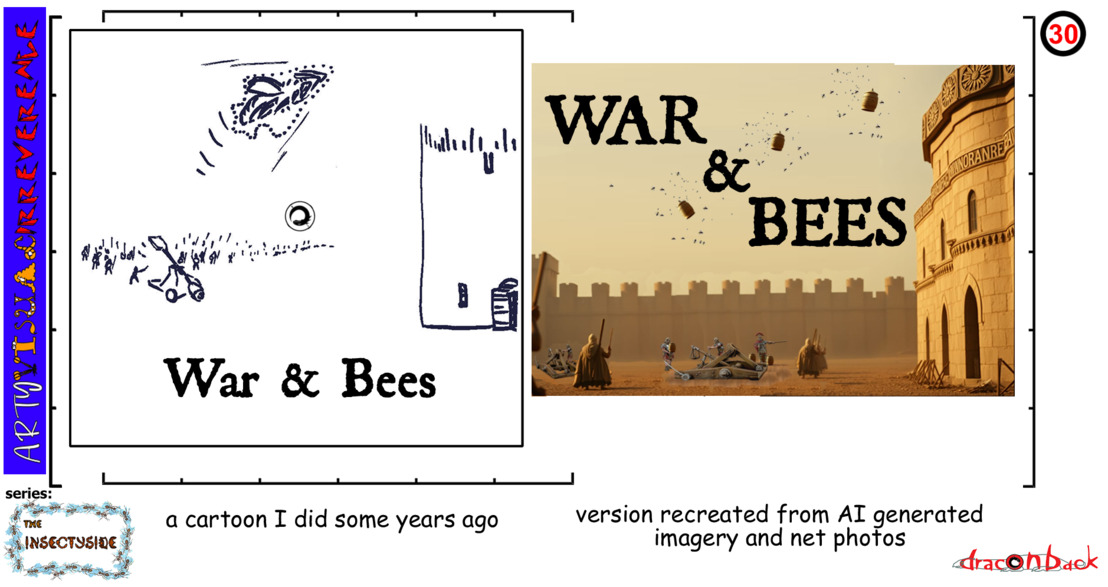
_Throughout history, bees and their products have been used as unconventional weapons in warfare. Various civilizations discovered ways to harness the sting and toxicity of bees, turning them into tools of defense and attack. |
 |
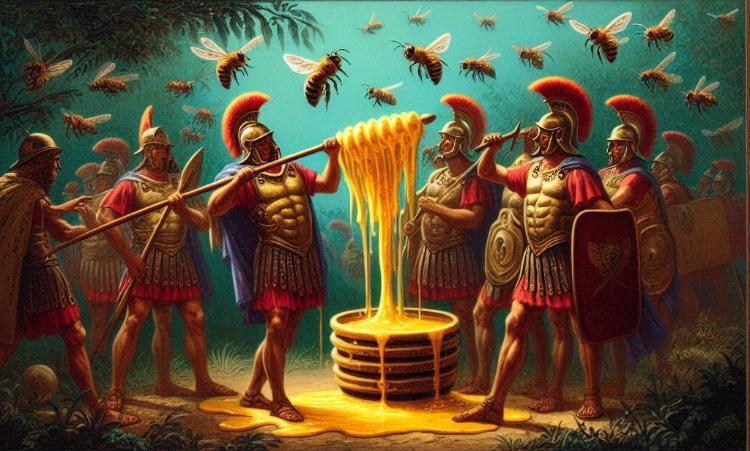 |
One of the earliest recorded instances dates back to the first century B.C., during a Roman campaign led by Pompeii the Great against the Heptakometes in Asia Minor. Instead of weaponizing the bees themselves, the defenders used toxic honey as a trap. Pompeii’s soldiers, unaware of the honey’s seasonal toxicity, consumed it eagerly, only to succumb to severe illness. In their weakened state, they were easily defeated by the Heptakomete warriors. Similar naturally occurring toxic honey has been found in various parts of the world, including South America and New Zealand, where certain plant nectars can render honey dangerous to human consumption. |
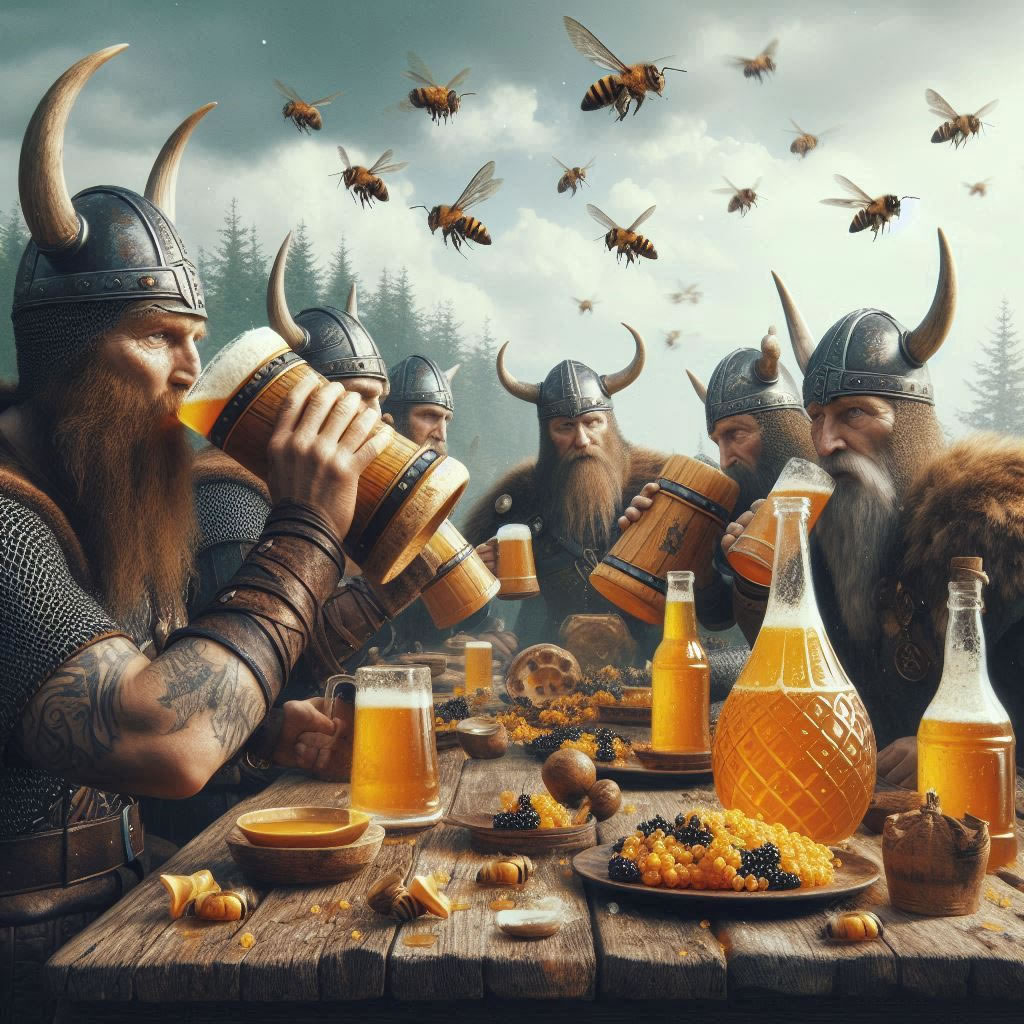
Beyond honey’s use as a biological weapon, mead—a fermented honey drink—was also leveraged in warfare. In 946, St. Olga of the Slavs used large quantities of mead to intoxicate and eliminate her enemies at a funeral feast. Likewise, in 1489, Russian forces exploited mead’s effects to defeat a pursuing Tartar army. |
 |
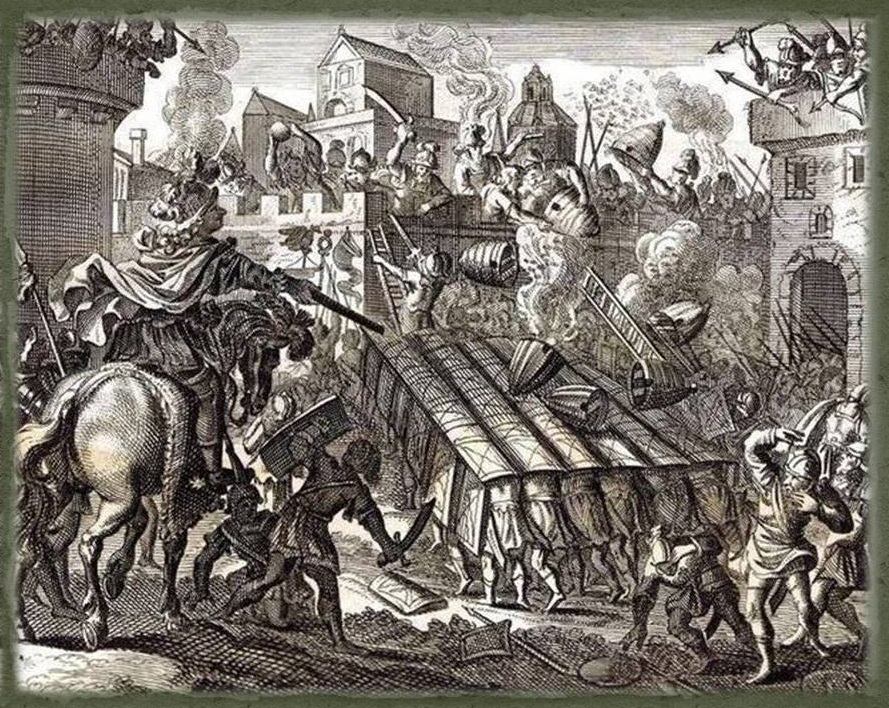 |
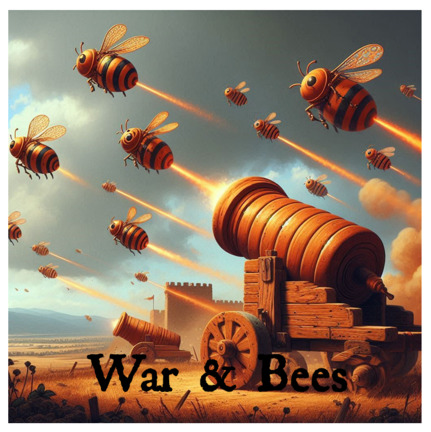
Of course, bees themselves have often been employed as direct weapons. Romans learned not only to avoid taxing honey from hostile territories but also to use beehives in battle. Rather than employing deception, the Romans used honeybees as "meat-seeking missiles" and sent beehives catapulting into the ranks or fortifications of their enemies. The Dacians turned this tactic against the Romans, launching their own beehive projectiles.
|
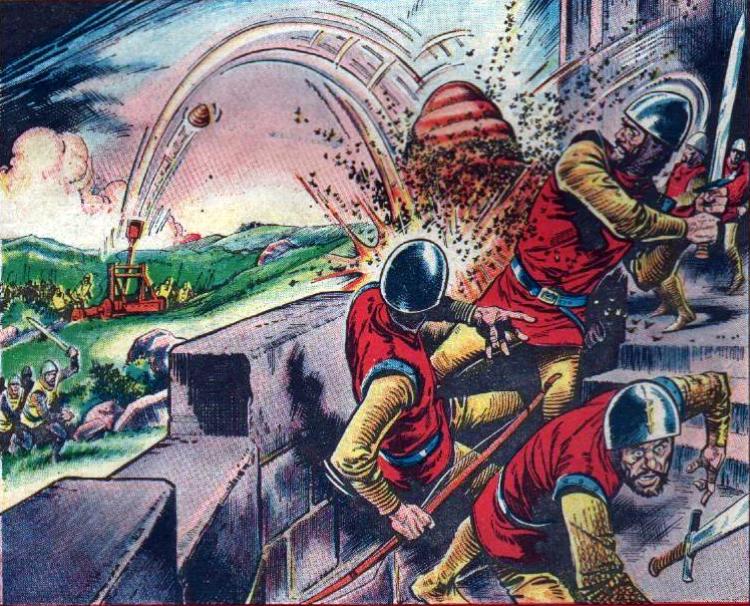
Throughout medieval warfare, various armies used bees to fortify defenses. In the eleventh century, Emperor Henry I’s troops repelled an attack by Duke Geiselbert of Lorraine by launching beehives. Richard the Lionheart reportedly deployed hives against Saracens during the Third Crusade, while defenders in Hungary, Portugal, and Turkey thwarted sieges by hurling bees from battlements. Even naval battles saw the use of bees—pirates in the Mediterranean threw hives onto enemy vessels, allowing swarms to incapacitate larger crews.
|
 |
 |
In modern times, the strategic application of bees continued. The Tiv people of Nigeria weaponized bees by storing them in poisoned horns, deploying them in battle. During the American Civil War, Union forces were disrupted when Southern artillery inadvertently shattered hives, causing widespread chaos. Bees were even used during World War I, where tripwire traps were set to tip over hives onto unsuspecting enemy soldiers. There are reports that the Viet Cong in the Vietnam War harnessed the aggressive Apis dorsata bees to attack American forces. Additionally, early concerns about biological warfare in Southeast Asia turned out to be misinterpretations of mass bee defecation flights, known as "yellow rain." In 2025 it was reported that a Ukrainian assault unit claimed it deployed beehives against Russian troops in the Donetsk region, dropping the hives into an occupied bunker. |
Bees have served not only in battle but also in personal defense. The Roman poet Vergil reportedly protected his valuables by hiding them in his beehives. In Germany, marauding thieves were driven away when nuns turned their hives loose on the intruders, earning their town the name “Beetown.” An elderly German beekeeper in 1933 managed to scare off three robbers simply by upsetting a hive, marking them with stings that led to their easy identification and arrest. Daniel Wildman, an 18th-century showman, supposedly fought off attacking mastiffs by unleashing swarms against them.
|
 |
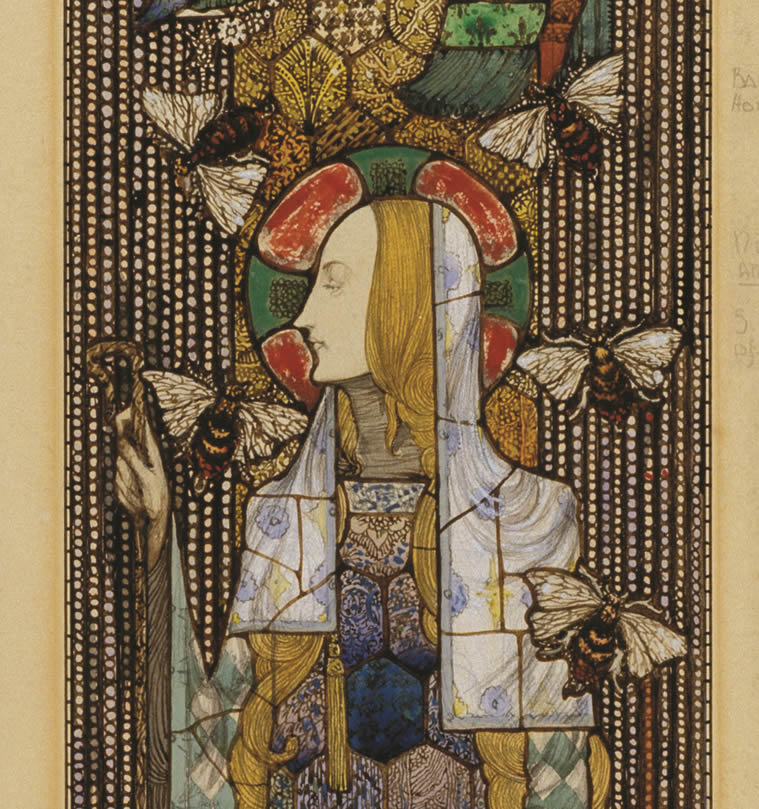 |
Beyond historical fact, folklore embraced bee-related warfare myths. Saint Gobnat of Ireland once drove off cattle thieves by sending a swarm of bees after them, forcing them to return the stolen livestock. Her association with bees extended beyond defense—she was believed to use honey for healing, a practice now recognized for its antibacterial properties. In Celtic tradition, bees were seen as messengers between the earthly and spiritual realms, reinforcing Gobnait’s status as a protector and healer and matron saint of bees and beekeepers, |
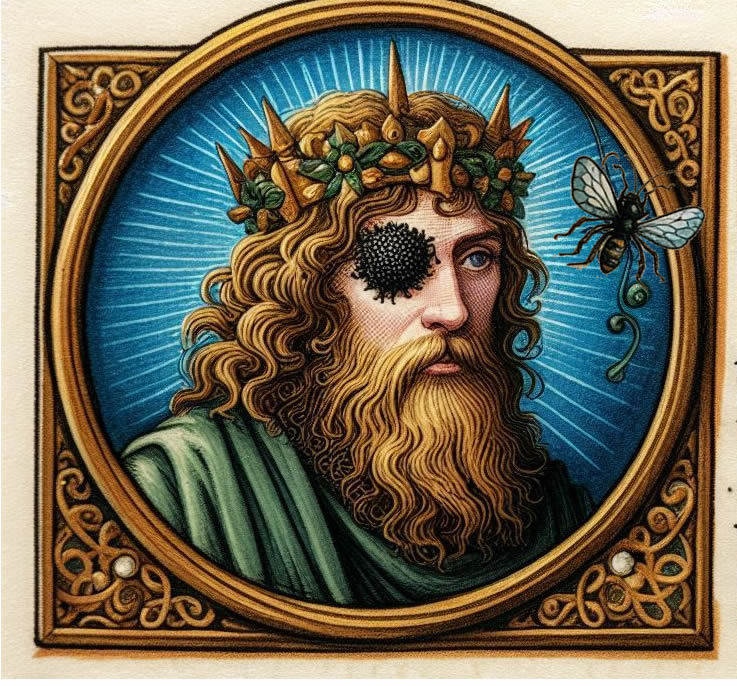
| In another Irish account, bees were at the root of a dispute that ended in war. Congal, the heir to the throne of Ulster, was stung in the eye by a bee while a guest in the house of Domnall, king of Ireland. He was blinded (and was known by the moniker "Caech", meaning "One-eye", thereafter). His kinsmen demanded the forfeiture of the eye of Domnall's son as retribution but Domnall ordered that the colony of bees should be destroyed instead-- to ensure that the guilty bee would perish. (Evidently, Domnall was a better king than he was a beekeeper, as any beekeeper knows that a bee dies after it stings.) |
 |
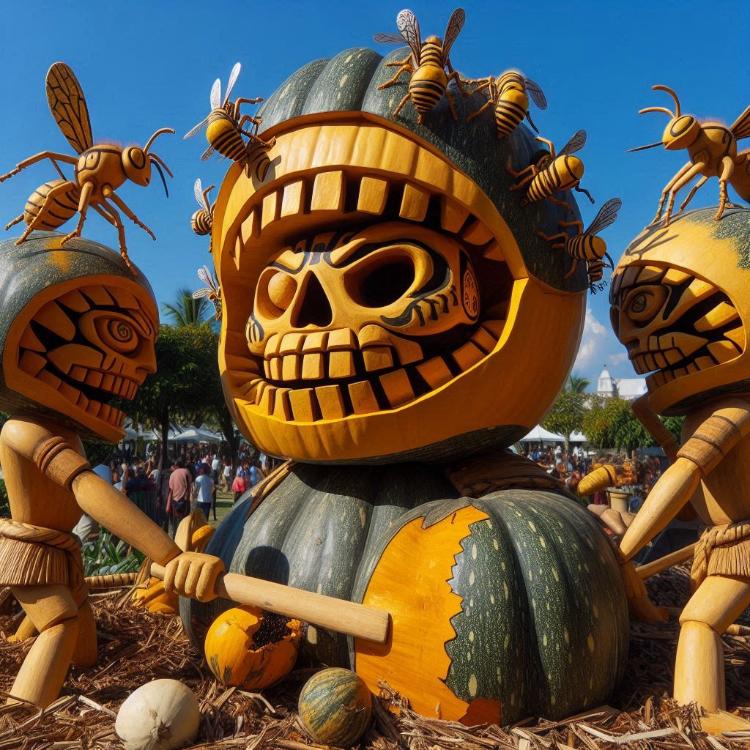 |
Mesoamerican civilizations had their own bee-related battle tactics. The Quiche Maya reportedly tricked enemy forces by constructing mannequins outfitted as warriors and filling the heads, fashioned from squash rinds, with wasps and bees. When attackers reached the parapets, the defenders smashed the gourds, unleashing stinging insects upon them. Bees have proven to be one of nature’s most effective weapons, used both through deception and direct attack. Whether as poison-laced honey, drunken distraction, or airborne hive bombardments, their military applications have endured across cultures and centuries. |
| |
-
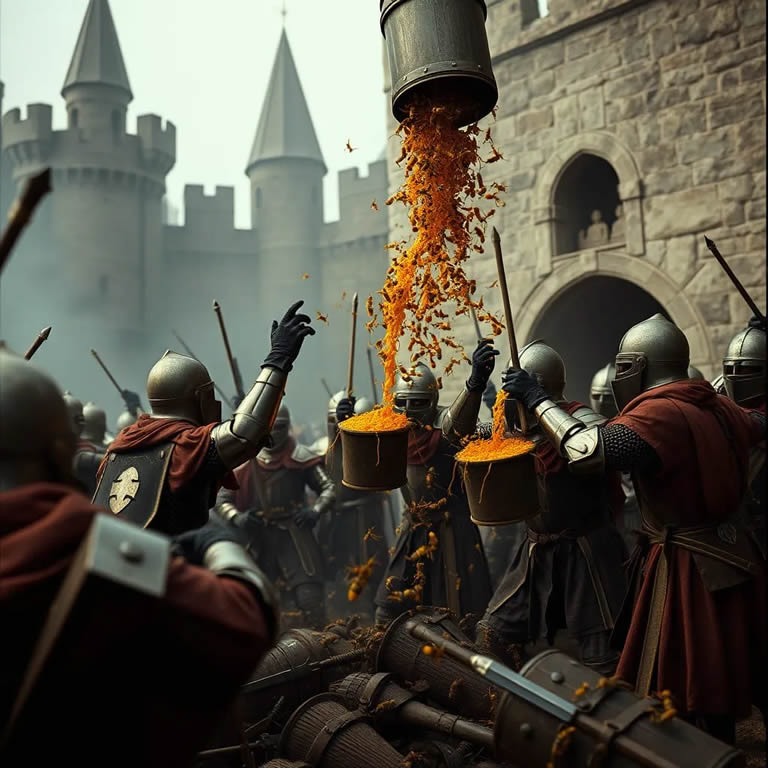
In addition to bees, there are many documented cases of the use of insects as biological weapons. Ancient and medieval armies launched containers of venomous spiders, scorpions, and aggressive ants over fortress walls to create chaos and terror among defenders, forcing them to abandon their positions while dealing with the immediate threat of multiple stings and bites. Defenders would pour containers filled with wasps, hornets, or fire ants down upon attacking forces scaling walls or attempting to breach gates, creating immediate confusion and forcing attackers to retreat while managing painful stings.
|
 |
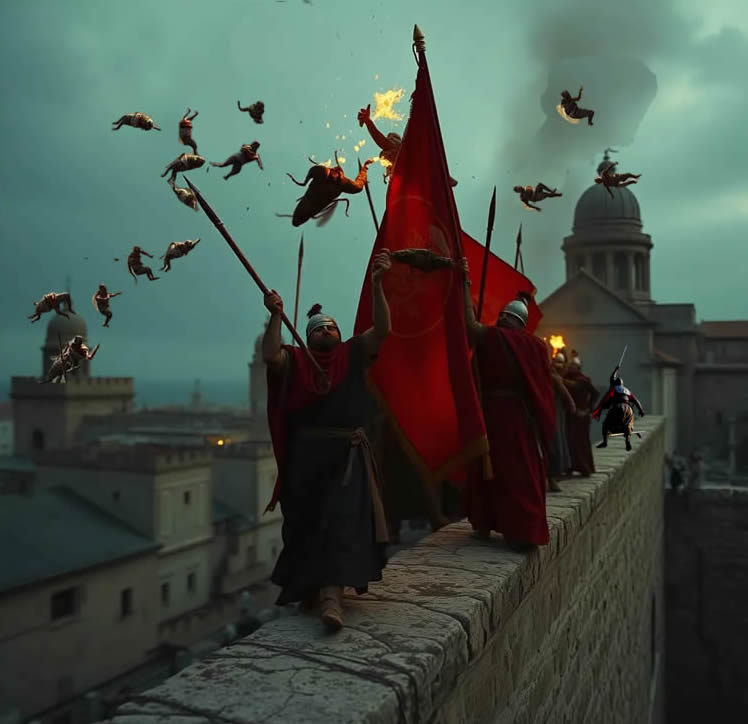 |
- Likewise, in 1346, Tartars besieged the Genoese-held town of Caffa, in modern-day Turkey, as the result of a trade dispute. The furor of the attacking Tartars was dampened by a plague that ravished their numbers. The Tartars passed the disease on to the town's inhabitants by launching volley after volley of infected corpses, and the fleas they carried, over the walls. Flea-ridden sailors escaping from Caffa, it is believed, brought the disease home with them to Italy-- where it spread throughout Europe as the Black Death.
|
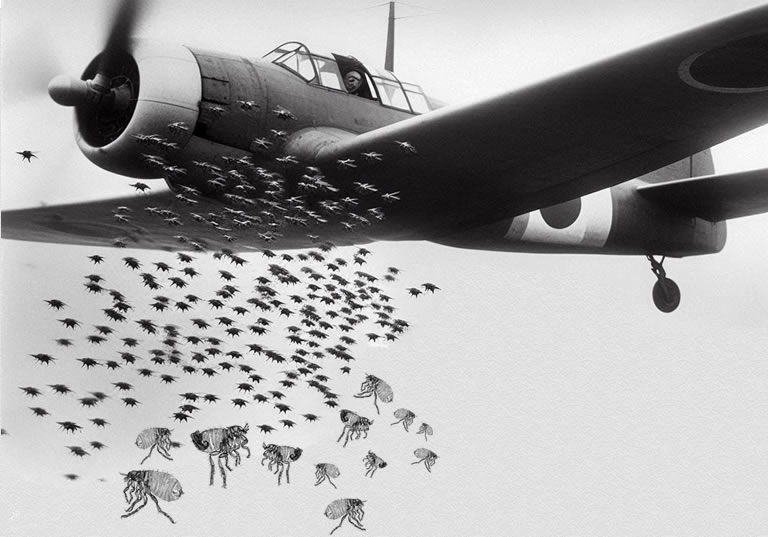
- During WWII, the Japanese army air-dropped plague-infested fleas over China to spread plague. Bred in massive quantities and released into Chinese cities and towns not occupied by Japanese forces the fleas caused devastating outbreaks of bubonic plague and other diseases. The unit also experimented with cholera, anthrax, typhoid, and tuberculosis, using prisoners as test subjects.
|
 |
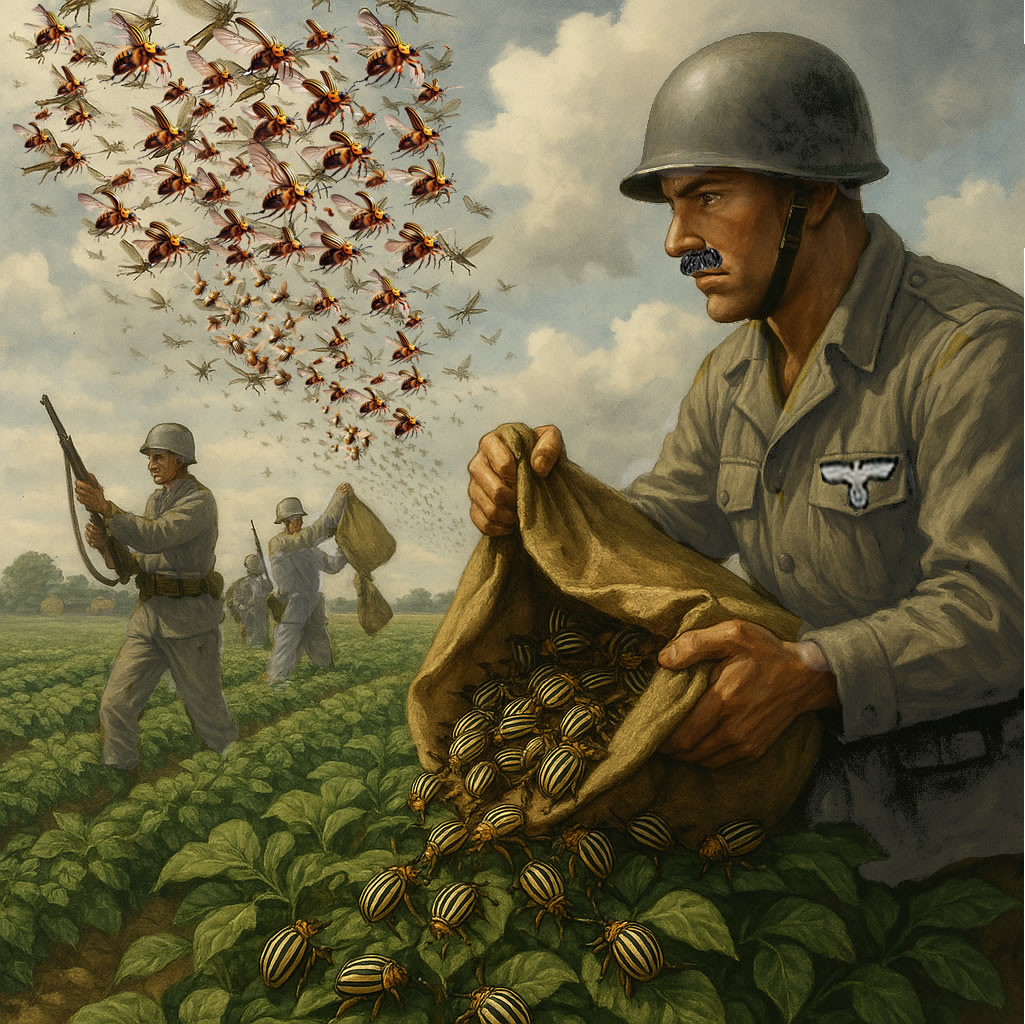 |
- Nazi Germany reportedly released Colorado potato beetles on England, particularly near Chale on the Isle of Wight, in an attempt to damage British agriculture.The British response involved teams of children, sworn to secrecy, who were dispatched to collect the beetles. Rather than repurposing them for counterattacks, the beetles were dropped into boiling water to prevent further infestation. The secrecy surrounding these operations was likely intended to prevent public panic.
|
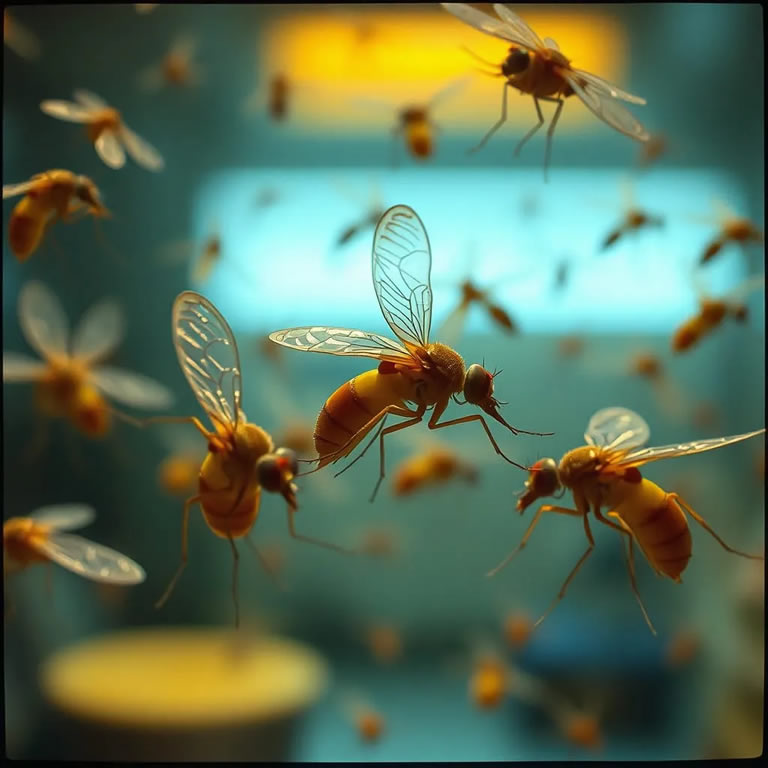
- The U.S. army conducted research on spreading the mosquito vector of yellow-fever as an offensive weapon but has stated that it curtailed such research in the late 1950's. The use of insects as agents of biological warfare underscores the complex and often disturbing intersection of natural and human conflicts. While history has shown instances of their deployment for strategic advantage, the ethical and ecological ramifications of such tactics highlight the need for vigilance in preventing their misuse. Ensuring that biological research remains focused on constructive, rather than destructive, applications is essential for global security and humanitarian principles.
|
 |
| |
|