|
|
|
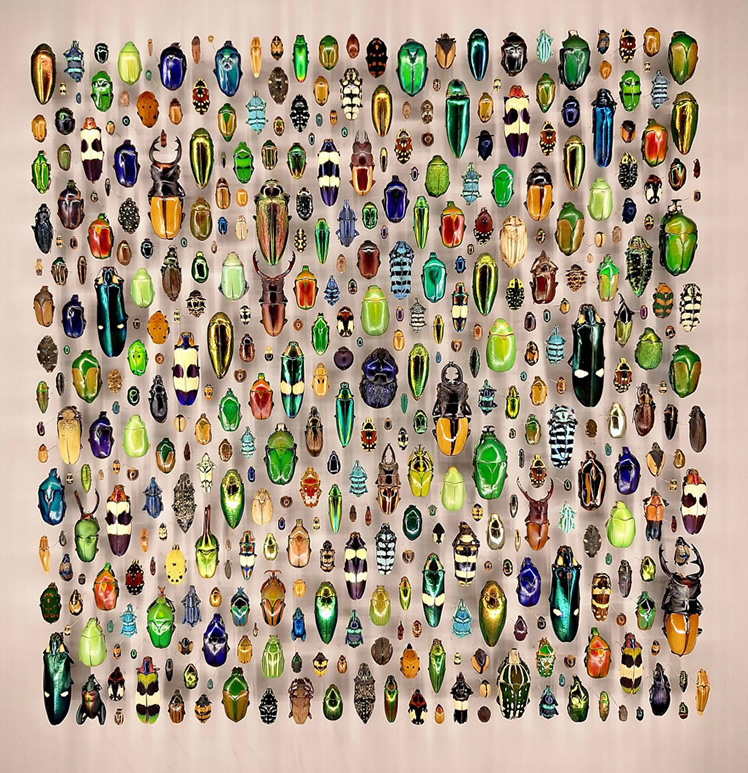
One of the most remarkable taxa amongst all living organisms is the order Coleoptera—beetles— which stands out as the single most diverse group of animals on the planet. With over 400,000 described species, representing nearly 25% of all known animal life forms, beetles have colonized virtually every terrestrial and freshwater habitat. Their evolutionary success can be attributed to their distinctive feature: elytra, hardened forewings that protect the delicate flight wings beneath, essentially providing beetles with portable armor. |
 |
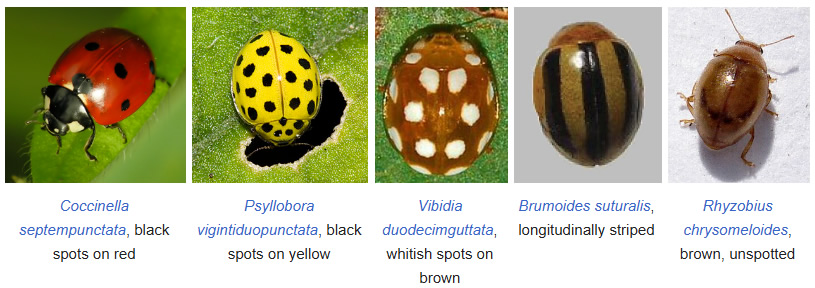 |
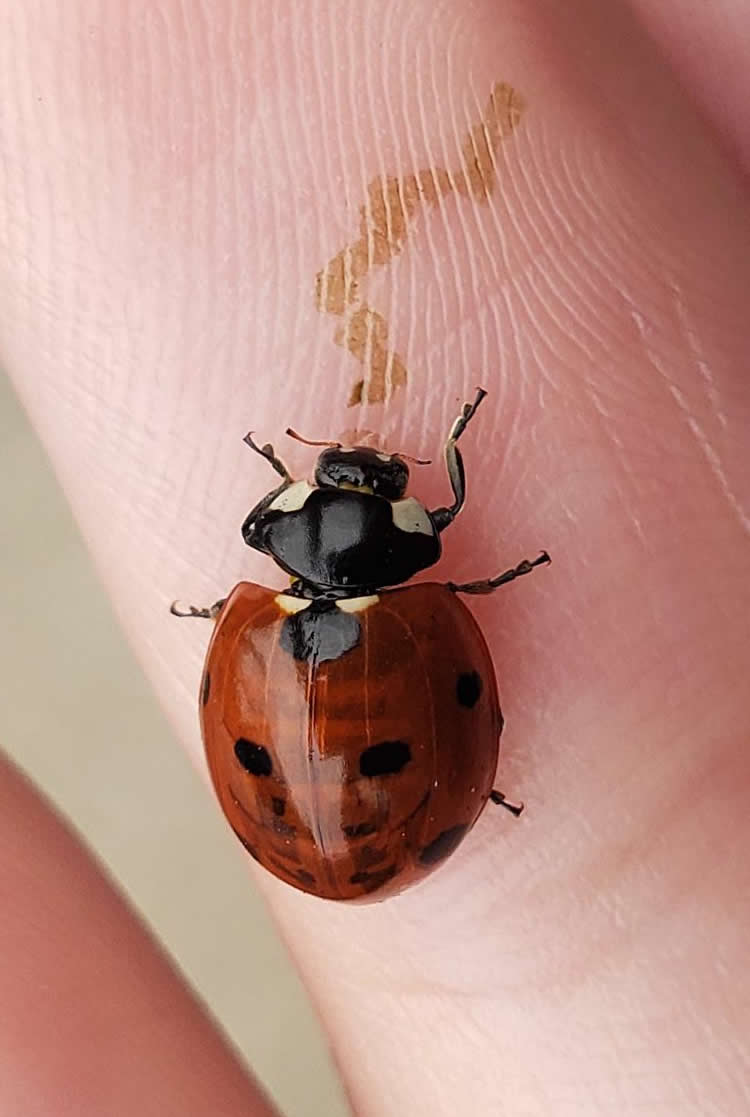
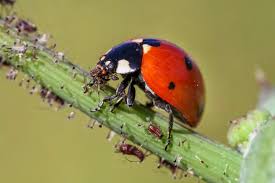
Within this remarkable order, few families capture human imagination quite like the Coccinellidae, commonly known as ladybird beetles or ladybugs. These small, dome-shaped insects, typically adorned with vibrant red or orange elytra marked by distinctive black spots, represent approximately 6,000 species worldwide. Their charismatic appearance belies their ecological significance as voracious predators. |
Their characteristic coloration serves as aposematic warning—advertising toxicity to potential predators. When threatened, ladybirds employ a remarkable defense mechanism called reflex bleeding, exuding droplets of hemolymph (insect blood) containing bitter alkaloid compounds from their leg joints and mouths. This substance, while harmless to humans, is distasteful and sometimes toxic to predators, who quickly learn to associate the bright coloration with an unpalatable meal. |
 |
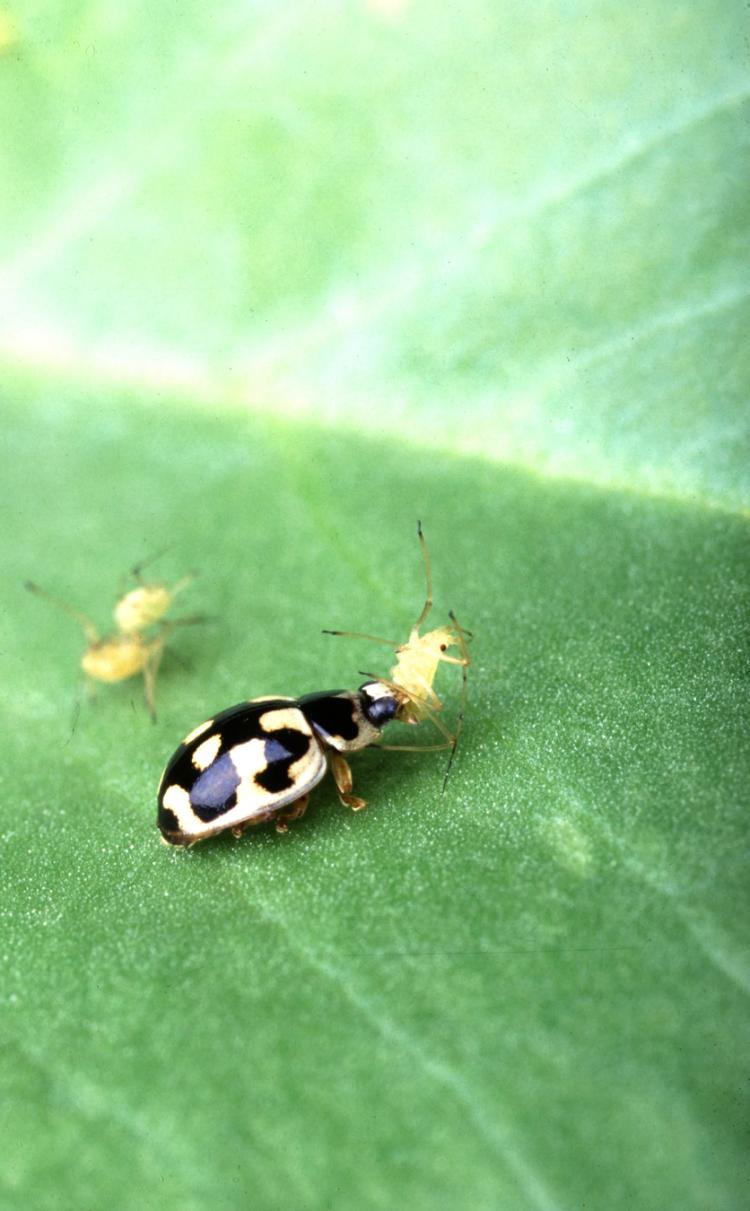 |
Ecologically, ladybird beetles function as keystone predators in agricultural ecosystems. Most species are specialized carnivores that feed primarily on plant pests such as aphids, scale insects, and mites. A single adult ladybird can consume up to 5,000 aphids during its lifetime, making these beetles invaluable allies in biological pest control. Some species, like the multicolored Asian lady beetle (Harmonia axyridis), were deliberately introduced to North America as biological control agents, though they subsequently became invasive in certain regions. |
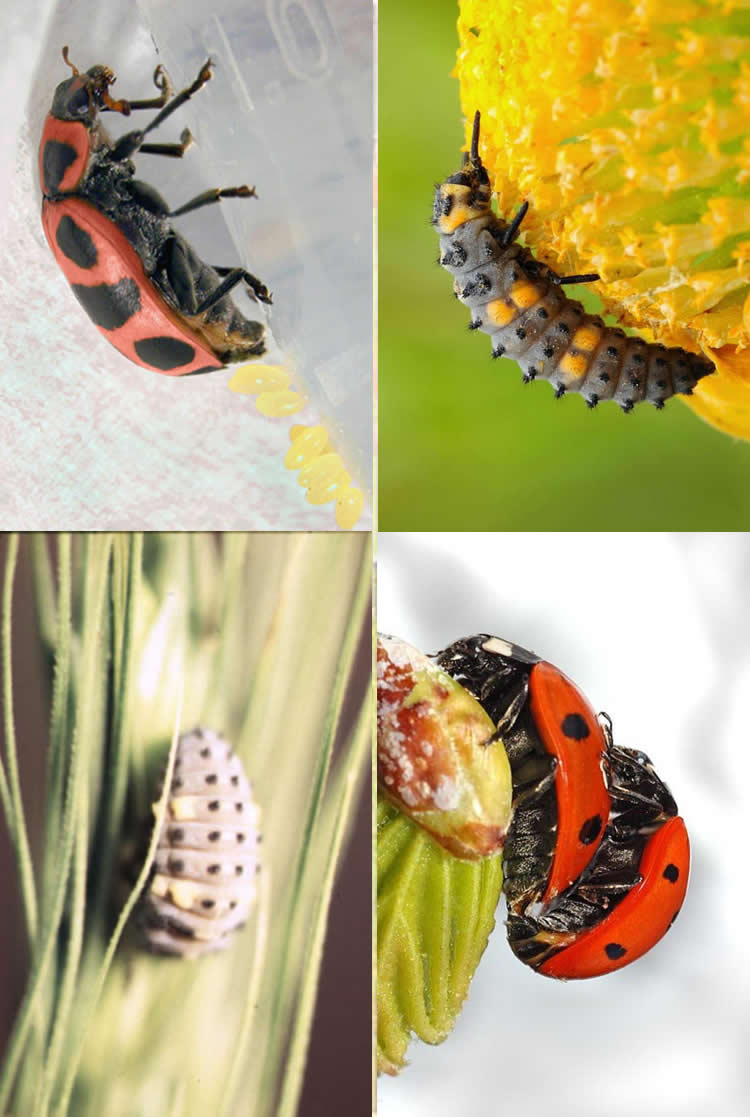
The lifecycle of ladybird beetles demonstrates complete metamorphosis, progressing through egg, larval, pupal, and adult stages. Female ladybirds strategically deposit clusters of spindle-shaped eggs near aphid colonies, ensuring their offspring emerge into a resource-rich environment. The larvae—alligator-like in appearance with elongated bodies and prominent mandibles—are even more voracious than adults, consuming hundreds of aphids before pupating. After metamorphosis, adults emerge with their characteristic dome-shaped bodies and colorful elytra. |
 |
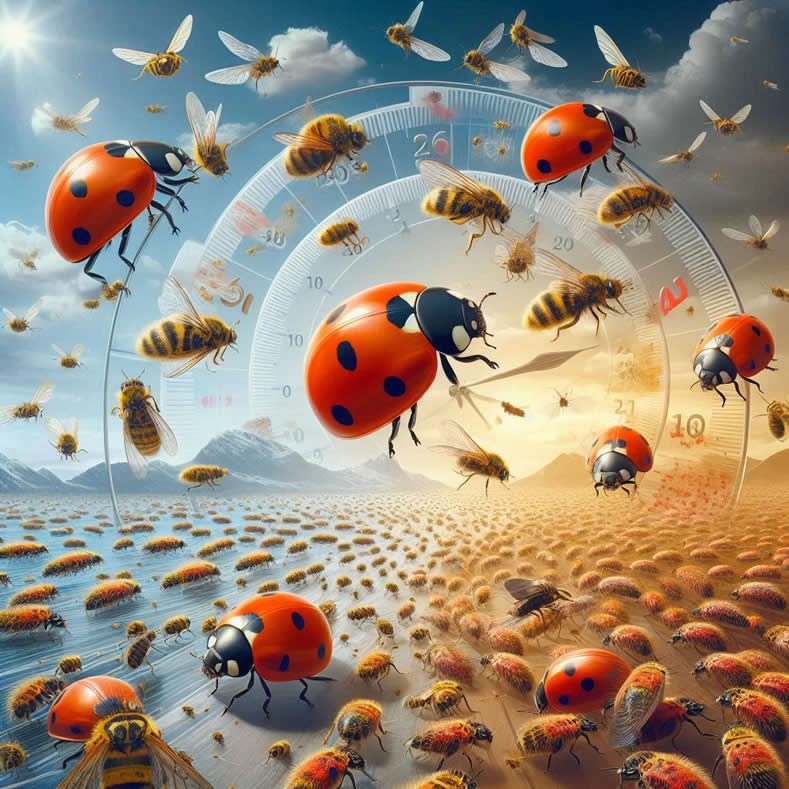 |
Climate change represents a mounting challenge for ladybird beetles. Shifting temperature patterns disrupt the synchronization between ladybird life cycles and their prey populations, potentially undermining their effectiveness as biological control agents. Additionally, habitat fragmentation and pesticide use threaten many native ladybird populations, with several species experiencing significant declines in recent decades. |
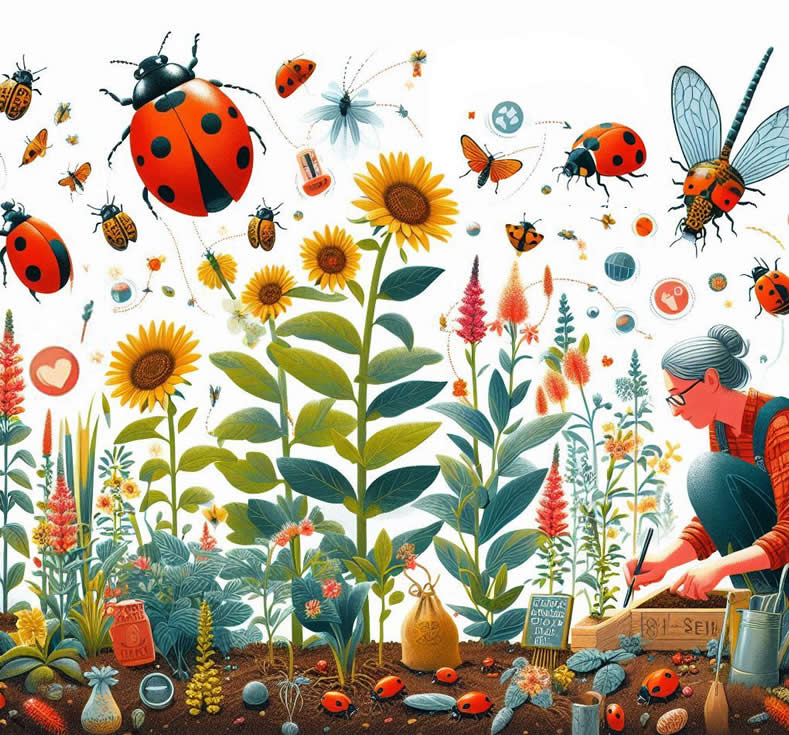
Conservation efforts increasingly focus on creating ladybird-friendly habitats through diverse plantings that support both the beetles and their prey. Agricultural initiatives promoting integrated pest management recognize the economic value of these natural predators, estimated to save billions of dollars annually in reduced crop damage and pesticide applications. |
 |
|
 |
- In medieval Europe, ladybird beetles were associated with the Virgin Mary, earning the name "Our Lady's beetle" (later shortened to ladybird or ladybug). Their seven spots were linked to Mary's seven joys and seven sorrows.
|
- In many cultures, including German, French, and Russian traditions, encountering a ladybird beetle is considered an omen of good fortune.
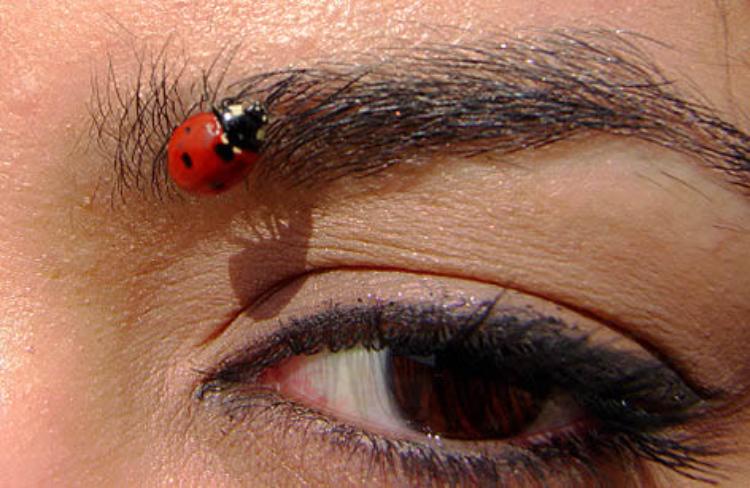
Some folklore suggests that ladybird beetles can help predict love and marriage. If a ladybird lands on a person, it is said to bring news of an upcoming romantic encounter. Old superstition claims that ladybird beetles can forecast the weather. If they fly away quickly when disturbed, fair weather is expected; if they stay put, rain may be on the horizon.
|
 |
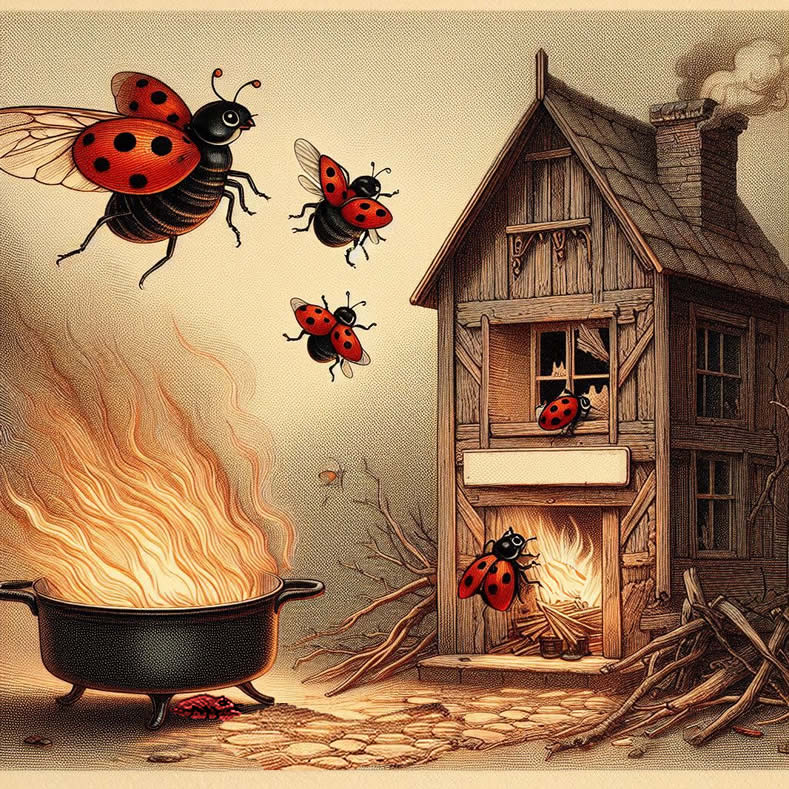 |
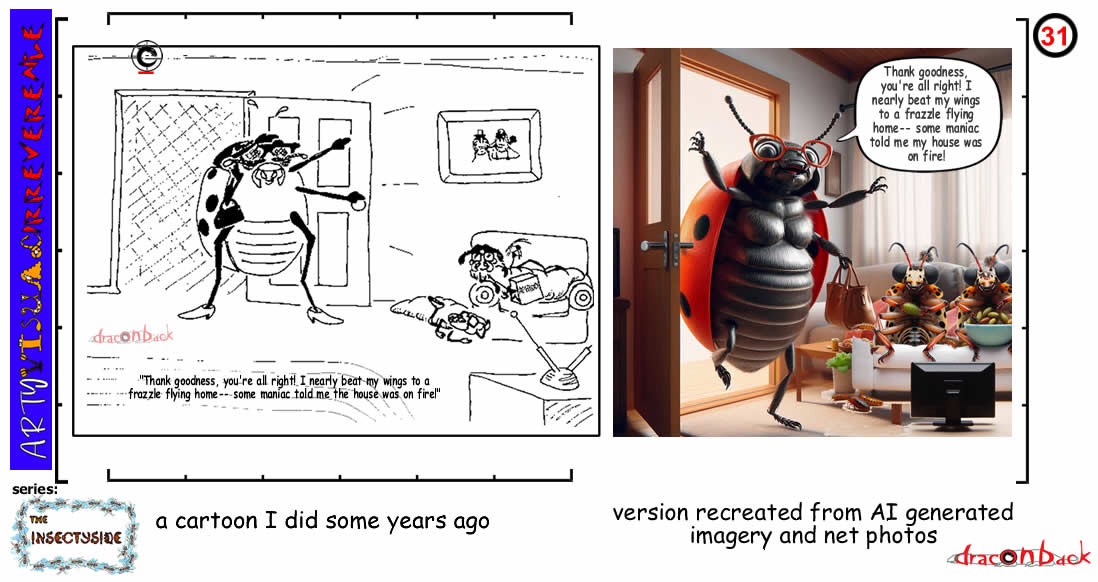
- In some places it is believed that if one lands on you it grant a wish if one recites the following rhyme: "Ladybird, ladybird, fly away home, Your house is on fire and your children are gone, All except one, and that's little Ann, And she has crept under the warming pan." (In North America this is reduced to "Ladybug, ladybug, fly away home your house is on fire and your children are burning".) The origin of this verse most likely relates to hop farming in England. After the hop harvest, farmers would burn the hop vines to clear fields, destroying ladybird habitat and killing larvae, so the rhyme supposedly warned adult ladybirds to fly away before burning began, with "children" referring to the larvae that couldn't escape.
|
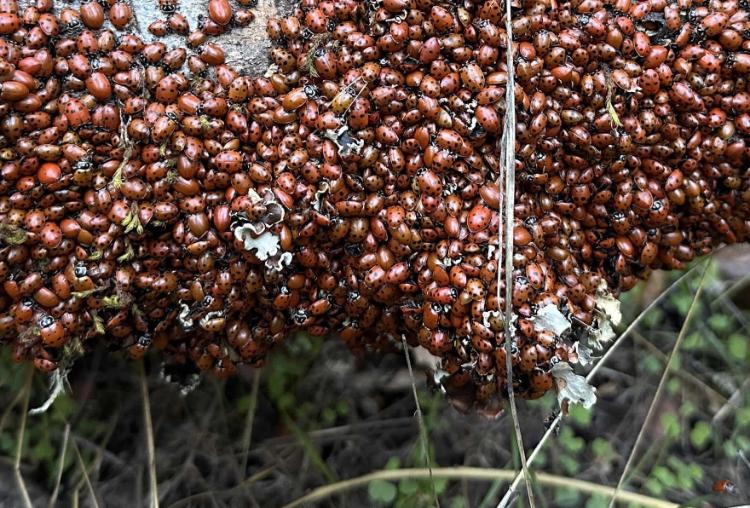
Ladybugs often seek shelter in the fall in tree bark, crevices, or even human-made structures-- to the point that they are sometimes considered pests as "Halloween bugs". In colder climates, ladybird beetles hibernate in large clusters to survive the winter-- where they are sometimes gathered for sale for pest control. However, purchased ladybird beetles from overwintering sites retain natural dispersal instincts, making retention challenging. To encourage them to stay:
-
Refrigerate beetles 2-3 days before release to slow metabolism. Release during cooler morning or evening hours when flight activity is reduced.
-
Release directly onto plants with existing aphid populations - without immediate prey, they'll disperse within hours seeking food elsewhere.
-
Lightly mist beetles and plants before release; water on wings temporarily grounds them, allowing time to discover local food sources. Some gardeners use fine mesh covers for 24-48 hours.
-
Create diverse plantings with yarrow, dill, fennel, and sweet alyssum that attract both ladybirds and their prey while providing shelter.
-
Release small groups over several days rather than all at once, and time releases during peak aphid season.
-
Even with these methods, retention rates remain low (10-30%), making habitat creation for native populations often more effective than purchasing adults.
|
 |
 |
-
An adult ladybird beetle can consume up to 50 aphids per day, making them one of the most effective natural pest controllers in agriculture. In resource-scarce conditions, ladybird larvae will consume unhatched eggs from their own clutch and even siblings—an evolutionary strategy ensuring at least some offspring survive.
|
|
|
| |
|