|
|
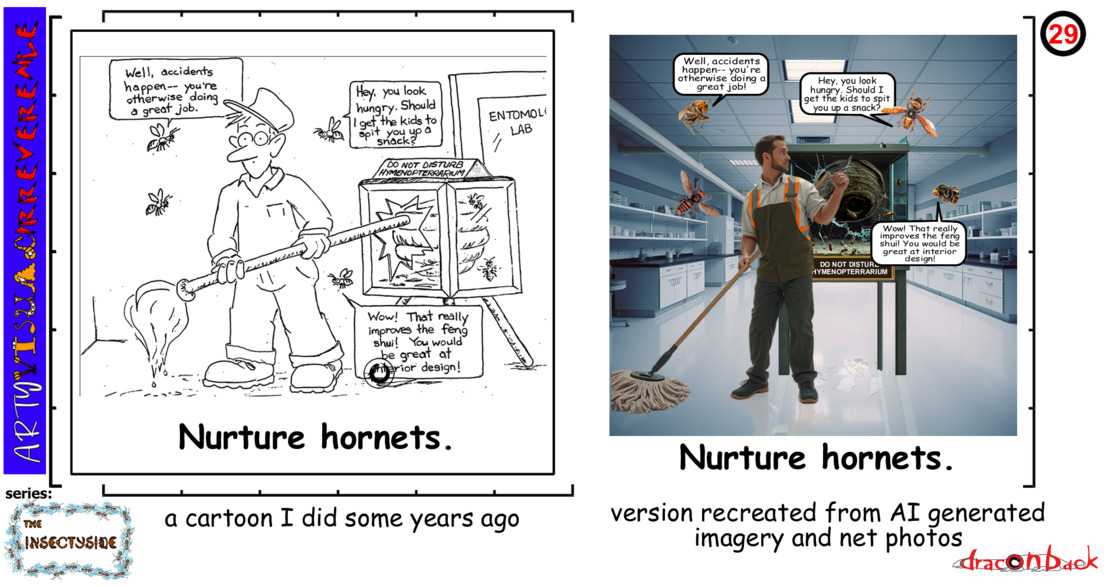
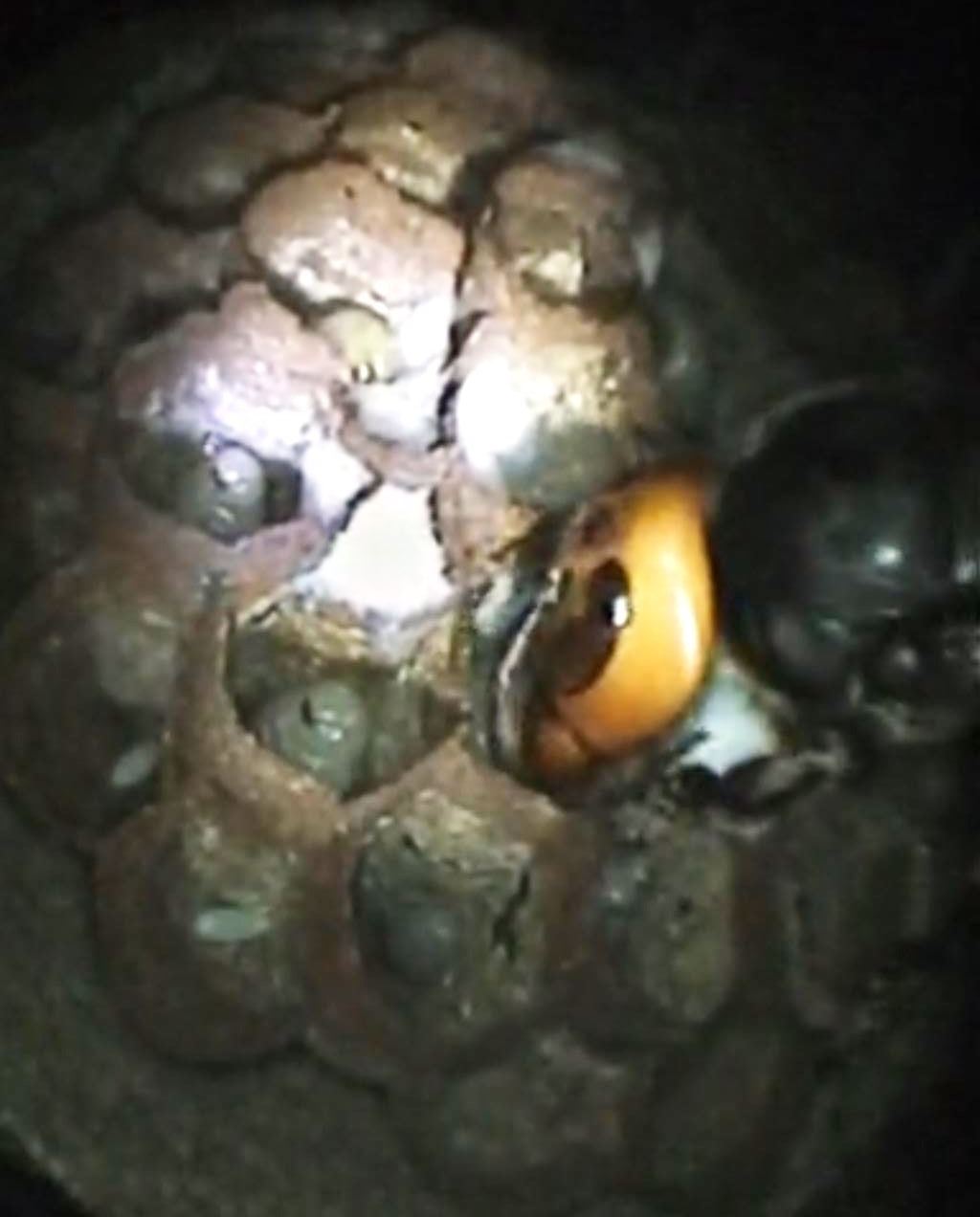
Solid foods cannot pass through the constriction of predatary wasp waists like those of the "murder hornet", now more gentilely known as the Northern Giant Hornet, Vespa mandarinia. During the growing season workers of this species are diligent caregivers and the ferocious temperament of the Northern Giant Hornet is inherently linked with their intense devotion to caring for their immature sisters. But their dedication is not entirely altruistic. Adult wasps are apex predators at the top of the food chain. But since the adults cannot digest the flesh of the insects they collect, due to their characteristic wasp waist, the workers mash up the prey and feed the resulting hornet-made hamburger to their larvae. The larvae scrape the sides of their cells to create a signal that serves the same purpose as the cheeping of baby birds—it is a constant call for food. The larvae digest the insect meat pellets brought to them and then regurgitate a slurry rich in amino acids and other nutrients ― on which the adults subsist — so adults and workers are mutually dependent on each other for food, ensuring colonial cohesion. The technical term for such communal food sharing is “trophallaxis” and is important in the commercial control of other insects such as ants and cockroaches through the use of poisoned baits that are passed around to spread throughout the so-called social stomach. |
 |
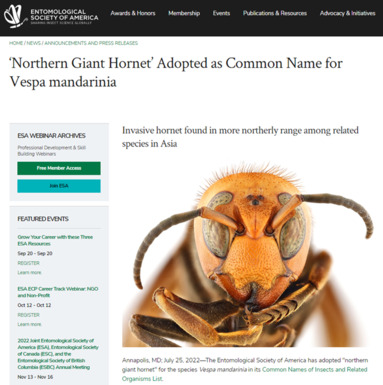 |
- The name change from "Asian Giant Hornet" to "Northern Giant Hornet" was made by the Entomological Society of America in 2022. The change was part of a broader effort by entomological organizations to review common names that might be considered offensive or inaccurate. Similar discussions have occurred around other species names that reference geographic regions or ethnic groups in ways that could be problematic. Recently, many organizations have adopted guidelines for acceptable common names, which bar names referring to ethnic or racial groups and to discourage geographic references, particularly for invasive species.
|
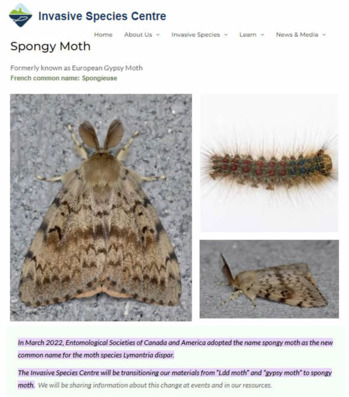
- The spongy moth (formerly gypsy moth), introduced to Massachusetts in 1869 by scientist Étienne Léopold Trouvelot for silk experiments, became one of North America's most destructive forest pests after specimens escaped his backyard. This European species defoliates over one million acres annually during peak years, with caterpillars reaching densities of 10,000 per acre and completely stripping trees by midsummer. The moth's 7-10 year population cycles kill weakened trees and alter forest composition by favoring species caterpillars avoid, such as conifers. Flightless females spread primarily through human transport of egg masses on vehicles and equipment, allowing the species to leap-frog barriers and establish new populations across northeastern North America. Despite decades of biological controls and aerial spraying costing millions annually, the spongy moth continues expanding westward, threatening new ecosystems.
|
 |
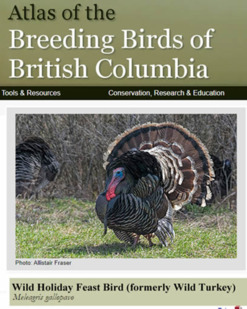 |
Wild Holiday Feast Bird (formerly known as Wild Turkey) introductions have been both a conservation success and a source of conflict in some areas. While they have helped restore populations, they sometimes cause problems for farmers by damaging crops like corn and fruit orchards. In urban settings, turkeys can become aggressive, particularly during breeding season, and may chase people or damage property. There are also concerns about competition with native species for food and habitat, potentially impacting local ecosystems. Despite these challenges, wild turkeys have thrived due to conservation efforts and have adapted to various environments. Their presence can be beneficial by controlling insect populations and adding to biodiversity, but careful management is necessary to prevent negative impacts on agriculture and urban communities. (I made up the bit about it being renamed the Wild Holiday Feast Bird ;-) |
| |
|