|
|
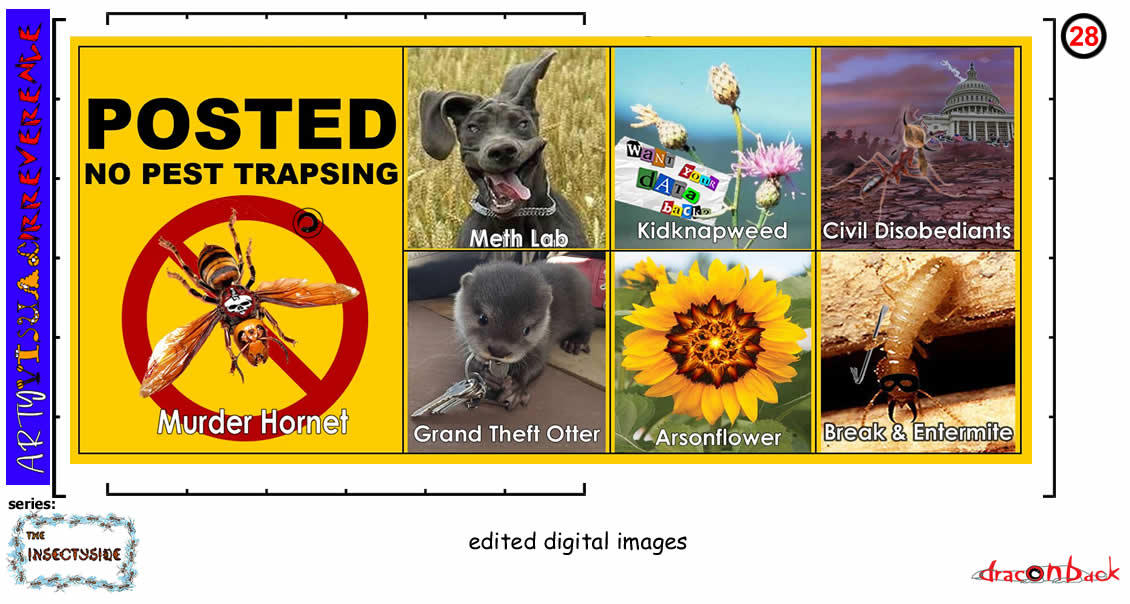
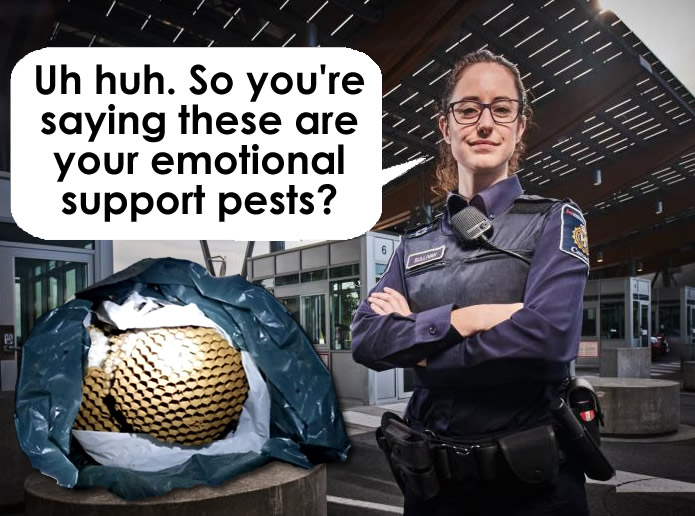
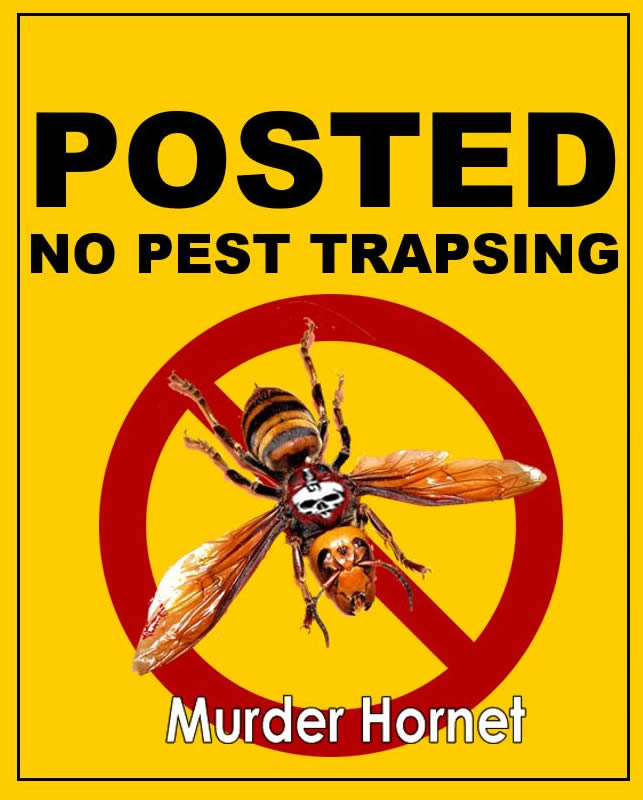
Ecological mayhem can follow the introduction of an invasive species to areas beyond its natural range. In September 2019 the first nest discovered in North America of the so-called "murder hornet" (now more properly referred to as the Northern Giant Hornet or Vespa mandarinia) was unearthed, literally, in Nanaimo, British Columbia. The nest was dug up and destroyed by local beekeepers with subsequent detections limited to individual workers found near the U.S. border-- that likely originated from populations later detected in Washington State. In contrast, the United States faced a more persistent challenge, with Washington State agricultural officials tracking and destroying four separate nests between 2019 and 2023, employing sophisticated methods including radio tracking devices attached to captured hornets to locate underground colonies. The genetic analysis revealing multiple distinct maternal lineages suggests these represent separate introduction events rather than spread from a single source, complicating eradication efforts and requiring ongoing vigilance to prevent establishment of a breeding population that could threaten North American agriculture and native pollinator species. |
 |
 |
- Domestic dogs that have established feral populations wreak havoc on native wildlife worldwide, particularly on islands where native species evolved without mammalian predators. In Australia, dingoes descended from domestic dogs have driven several native species to extinction and continue to threaten others through predation and competition. Feral dog packs hunt cooperatively, taking prey much larger than individual dogs could handle, including deer, livestock, and endangered ground-dwelling birds that have no evolved defenses against canine predators.
|
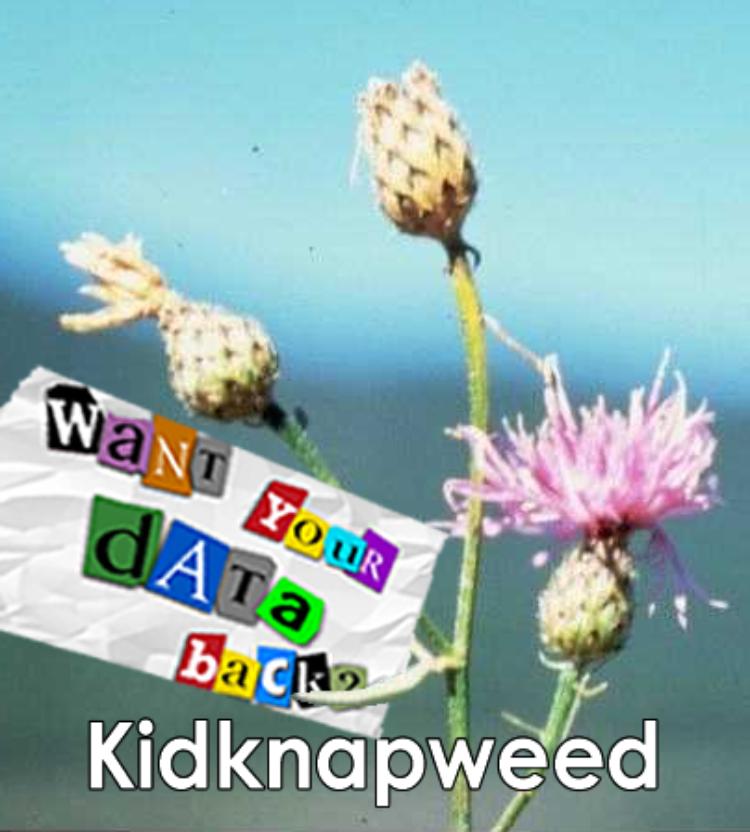
- Knapweed species, particularly spotted and diffuse knapweed, have transformed vast grasslands across western North America since their introduction from Europe in the late 1800s. These aggressive perennials release allelopathic chemicals that inhibit native plant growth while their deep taproots outcompete shallow-rooted native grasses for water and nutrients. In Montana alone, knapweed infestations cover over 4.5 million acres, reducing livestock carrying capacity by up to 90% and costing ranchers millions annually in lost forage.
|
 |
|
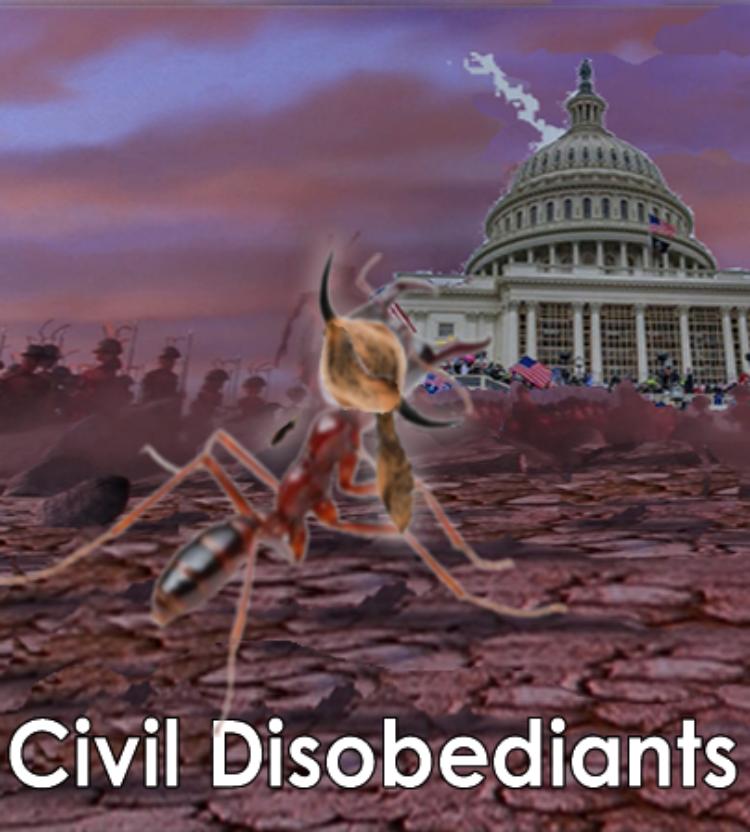
- Red imported fire ants have devastated ecosystems across the southern United States since arriving from South America in the 1930s. Their aggressive nature and painful stings have reduced native ant diversity by 70% in some areas, while their predation on ground-nesting birds has contributed to declining populations of quail, songbirds, and sea turtles. Fire ant colonies can reach densities of 300 mounds per acre, fundamentally altering soil chemistry and nutrient cycling patterns.
|
-
On the plus side, sea otters, reintroduced to areas where they were previously extirpated, demonstrate how even native species can cause dramatic ecological shifts when populations recover. In California's Monterey Bay, recovering otter populations have decimated sea urchin populations, allowing kelp forests to flourish after decades of overgrazing. This trophic cascade has transformed barren underwater landscapes into thriving kelp ecosystems, but has also eliminated lucrative urchin fisheries and altered the entire marine food web structure.
|
 |
 |
-
Gorse (that's an altered photo of a sunflower on the left, worked better with the wordplay-- you've got access to the internet, look for a picture of gorse yourself ;-), with its bright yellow flowers, has transformed landscapes in California, Oregon, and New Zealand into tinderboxes. This European shrub contains oils that make it burn five times hotter than native vegetation, creating intense fires that sterilize soil and kill native seed banks. It burns hot and fast, creating fire ladders that carry flames into tree canopies while producing airborne embers that can travel miles to start new fires
|
-
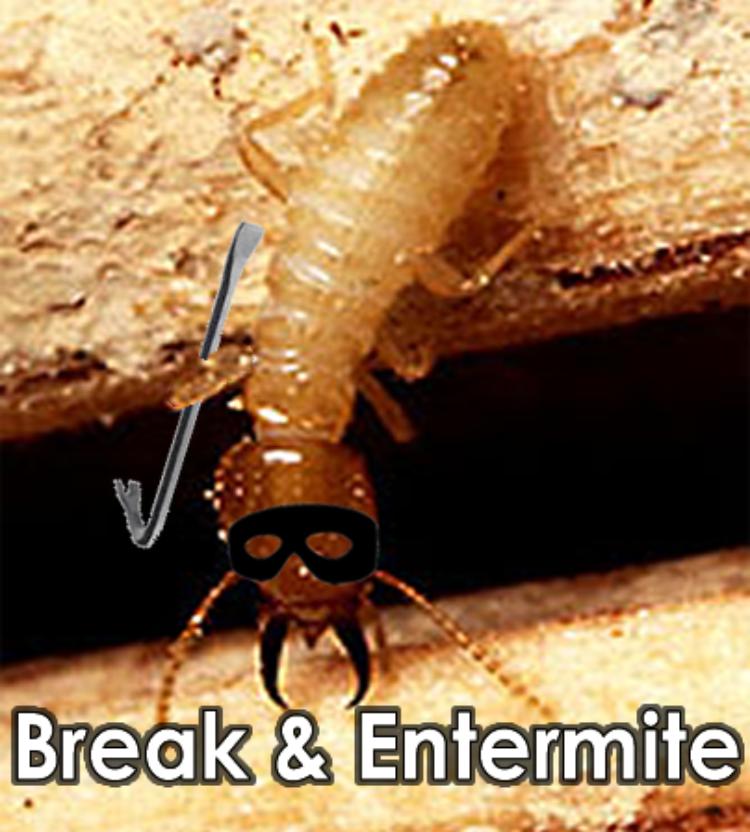
Formosan subterranean termites, introduced to Hawaii and the Gulf Coast, cause billions in structural damage while simultaneously reshaping forest ecosystems. Unlike native termites that primarily consume dead wood, these invasive termites attack living trees, weakening forest canopies and creating gaps that alter light penetration and moisture retention. Their massive underground colonies can extend for acres, processing organic matter at rates that disrupt natural decomposition cycles.
|
 |
|
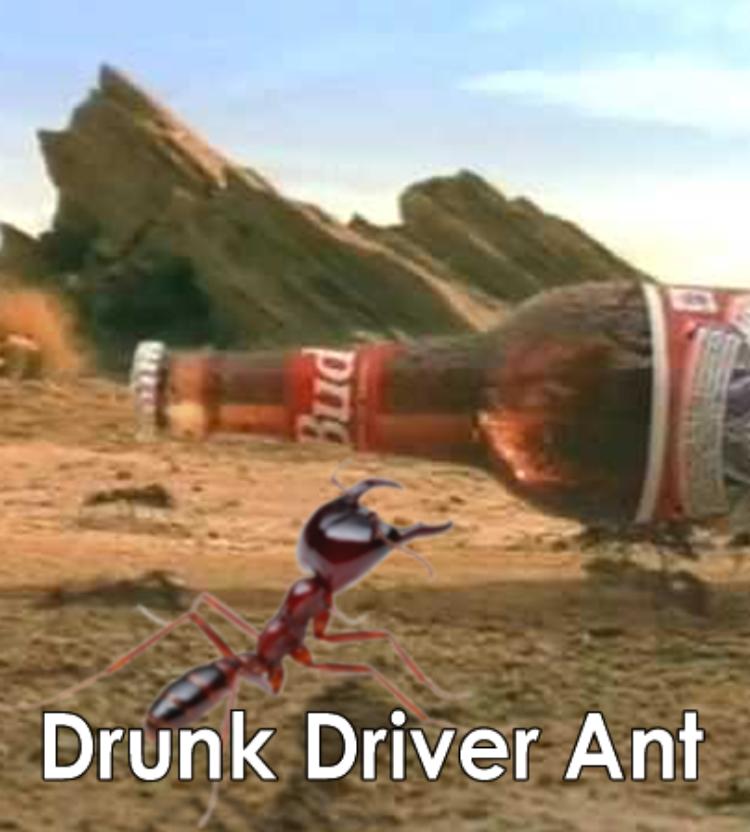
- Driver ants, when accidentally transported to new regions through cargo shipments, create ecological chaos due to their massive colony sizes and voracious appetite. In some Pacific islands where they've established, these ants form supercolonies with millions of individuals that systematically eliminate native invertebrate populations. Their coordinated hunting swarms can strip entire forest floors of arthropods, disrupting pollination networks and seed dispersal systems that native plants depend upon.
|
- As many pests come from abroad, routine border protections are the first line of defense in preventing introductions of NGH-- and any other potential pest species. Border inspection agencies have treatment and inspection programs that reduce the chance of pests crossing borders as stowaways in freight.
|
 |
|
-
Constant vigilence is necessary to prevent impacts from invasive species that could cascade through food webs, often triggering drastic reductions or even extinctions of native species outcompeted by the introduced species and permanently altering ecosystem structure and function in ways that persist long after initial introductions.
|
| |
|