|
|
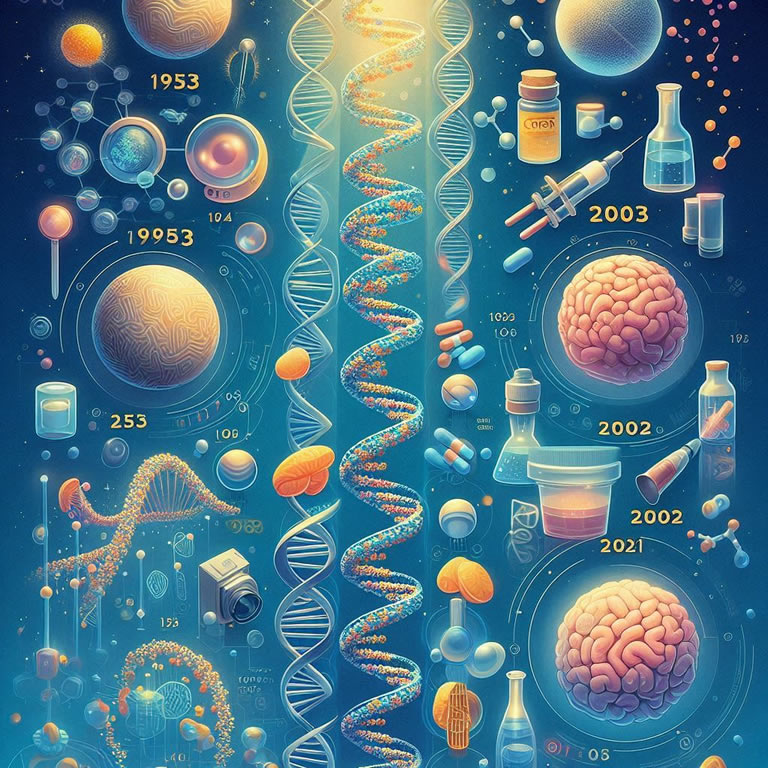
In the past century, genetic knowledge has progressed from discovering DNA's double helix structure in 1953 to decoding the complete human genome by 2003, and now to the era of precise gene editing with CRISPR technology, enabling scientists to not only read genetic instructions but actively rewrite them to treat diseases and engineer organisms. |
 |
|
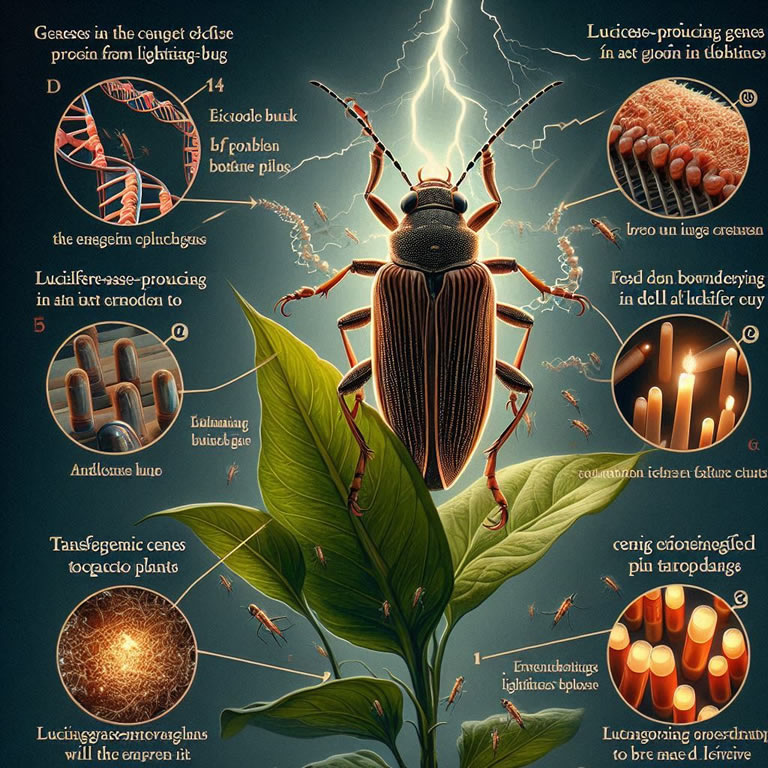
Transgenic organisms are artificially created plants, animals or microorganisms which have had genes from a different species spliced into their own genome. For instance, genes in the firefly code for the enzyme luciferase which breaks down a protein called luciferan to produce the characteristic glow in these insects; luciferase-producing genes were extracted from fireflies and incorporated into cells of tobacco plants. The tobacco cells were then reared into mature plants via tissue culture such that all the cells of the plant produced luciferase. When the plants were watered with a solution containing luciferin the enzyme catalyzed the reaction as it would in the insect-- and the transgenic tobacco plants glowed! More recently a glowing effect in tobacco plants was achieved by introducing a fungal bioluminescence system, which converts caffeic acid (present in all plants) into luciferin. The luciferase gene responsible for firefly bioluminescence has been widely adopted as a reporter gene in genetic research, allowing scientists to track gene expression and cellular processes in real-time across many different organisms. |
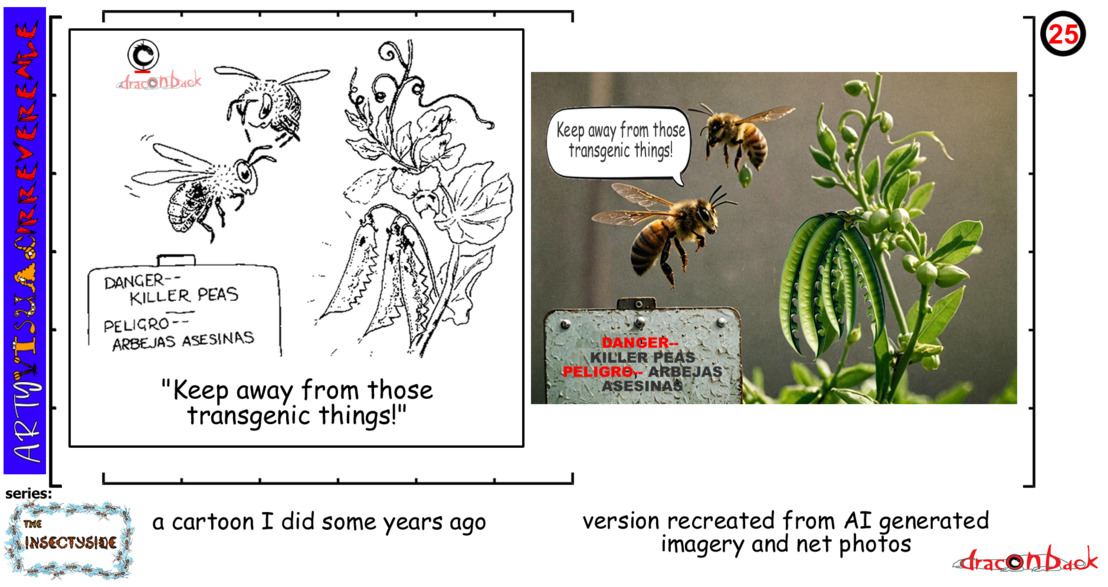
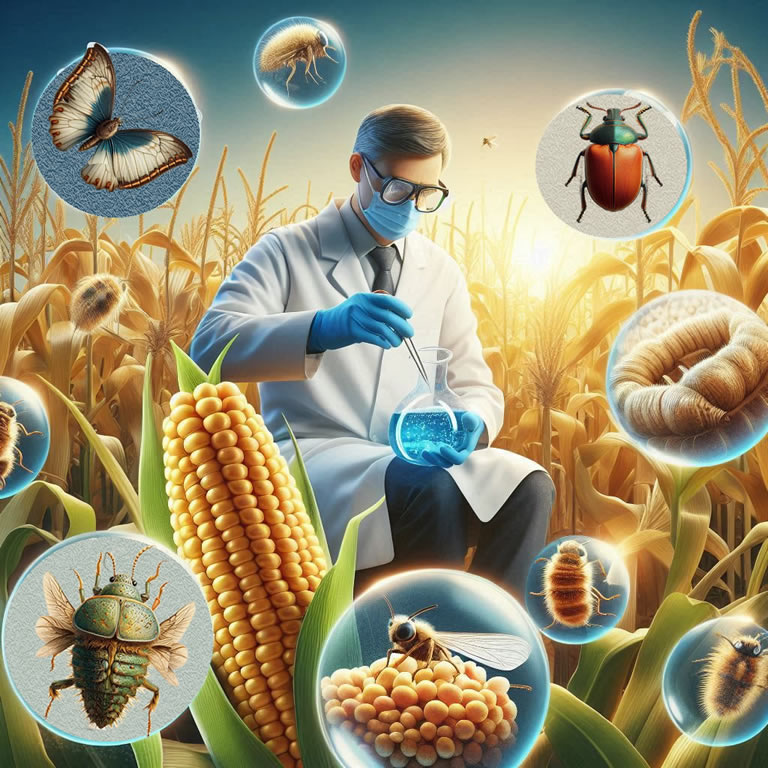
The gene coding for a protein toxic to lepidopteran insects has been extracted from the soil bacteria Bacillus thuringiensis and spliced into the genetic blueprint of patented varieties of potatoes, tomatoes, soy and corn. This tactic has a distinct advantage over spraying Bt proteins on crop plants. Sprays must be applied very evenly and heavily enough that an insect will ingest enough of the toxin to receive a fatal dose before it eats very much of the plant upon which it is feeding. If incorporated into every cell of the plant fruit or foliage-feeding caterpillars would get a mouthful of poison with every bite. Some people worry, however, that this type of technology is similar to spraying a field with insecticide every day and that this would act as a constant and intense selective pressure on insect populations which may lead to rapid development of resistance in the target species. Others worry that prolonged consumption of produce containing the toxin, reportedly harmless to humans, may, in fact, pose unforeseen health risks to consumers. We can only hope that "killer peas" remain the stuff of fantasy.
|
|
| |
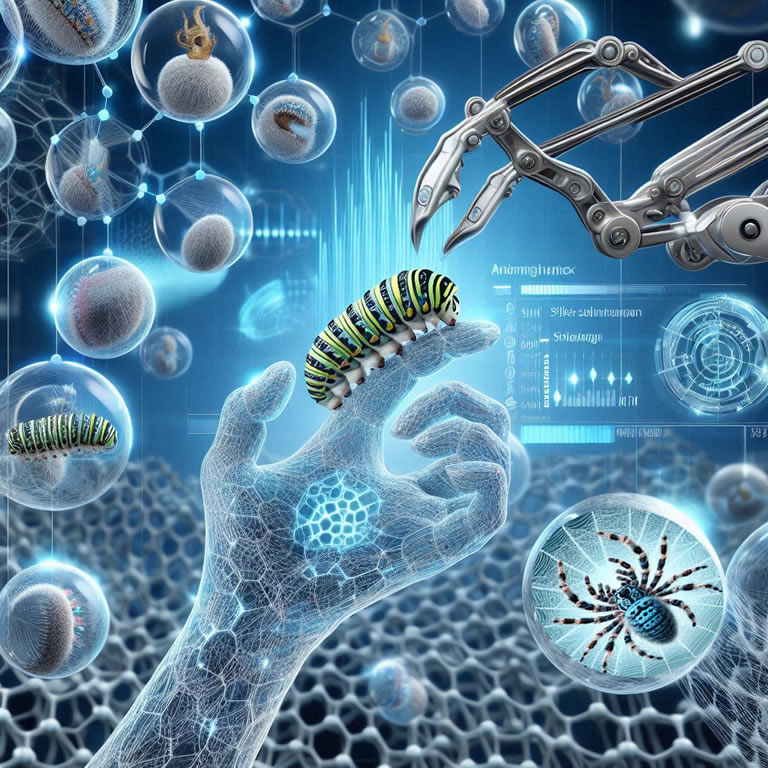 |
- Researchers have successfully transferred genes encoding spider silk proteins into silkworms, enabling the production of silk fibers with enhanced strength and elasticity that could revolutionize materials science and textiles.
|
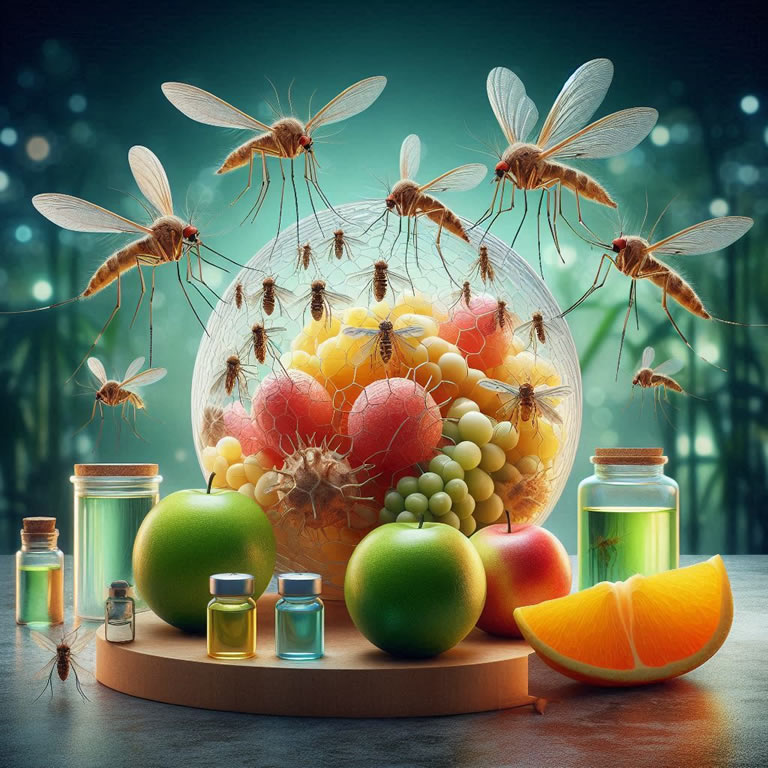
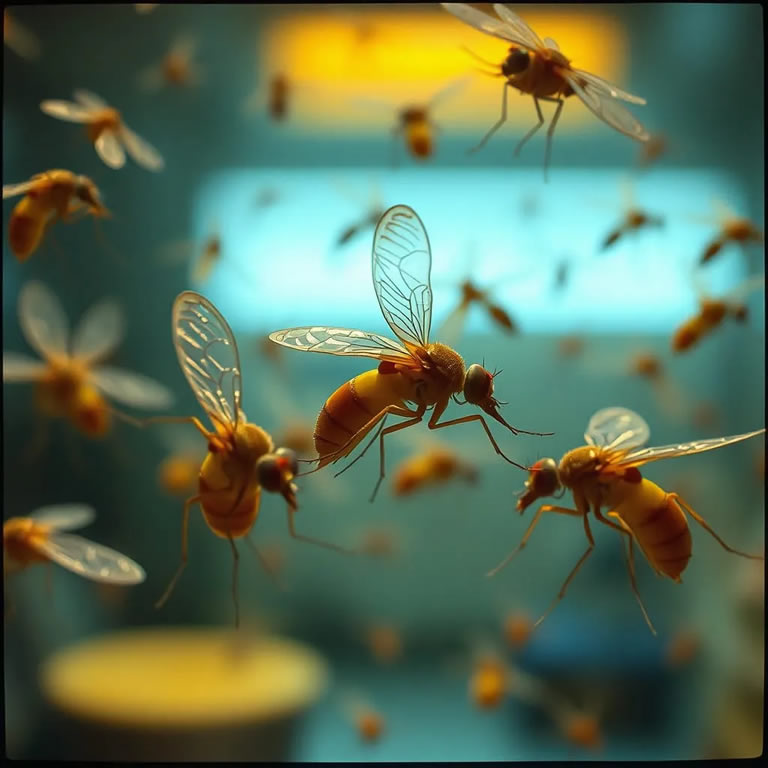
- Scientists have developed genetically modified mosquitoes and fruit flies that produce offspring unable to survive to adulthood, effectively reducing wild populations when released in controlled numbers.
|
|
|
- Genetic engineers have created mosquitoes with modified genes that spread rapidly through populations and can either kill the mosquitoes or make them unable to carry diseases like malaria, dengue, and Zika virus.
|
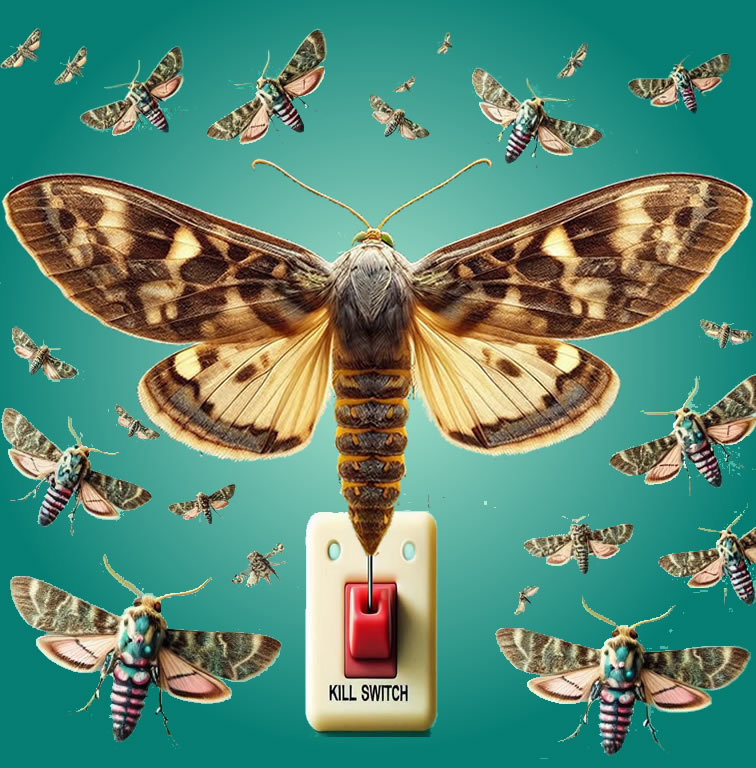
- Diamondback moths have been developed with a genetic "kill switch" that causes female offspring to die before reaching maturity, significantly reducing populations of this major agricultural pest that causes billions of dollars in crop damage annually to brassica vegetables like cabbage and broccoli.
|
 |
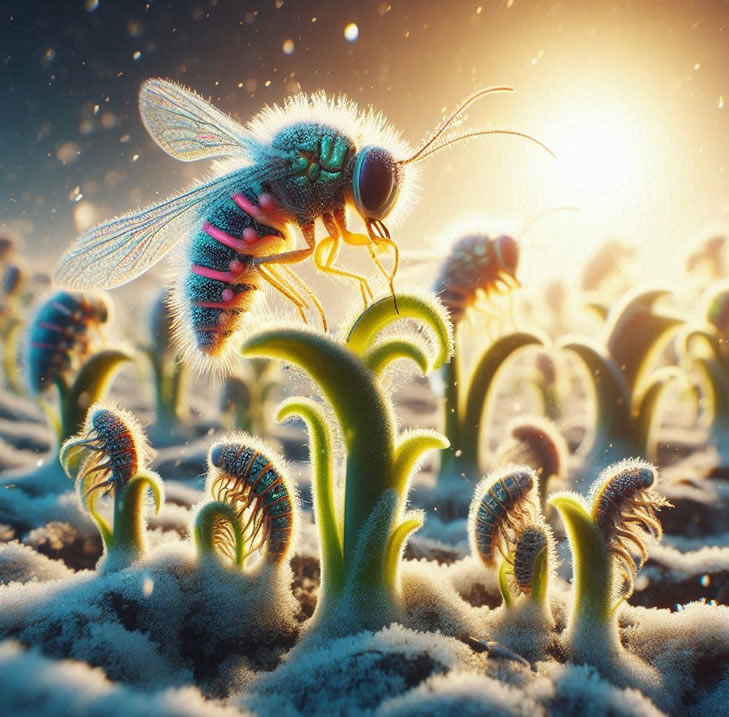 |
- Genes from insects that survive extreme cold have been incorporated into plants to improve frost tolerance, potentially extending growing seasons and protecting crops from temperature damage.
|
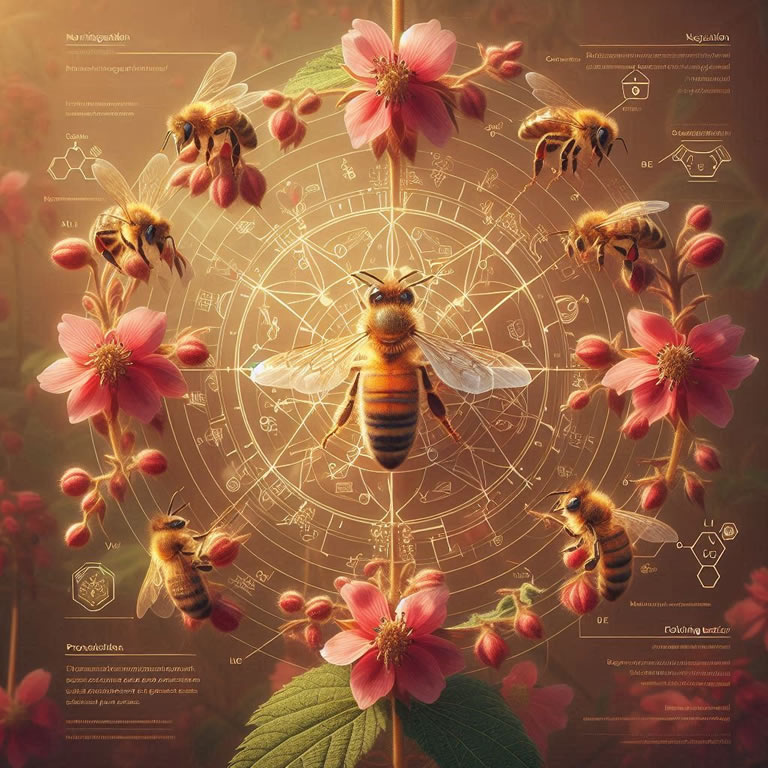
- Honeybee navigation, pheromone production, and foraging behavior genes have been identified and isolated for potential incorporation into other pollinator species to enhance agricultural pollination services.
|
|
| |
|