|
|
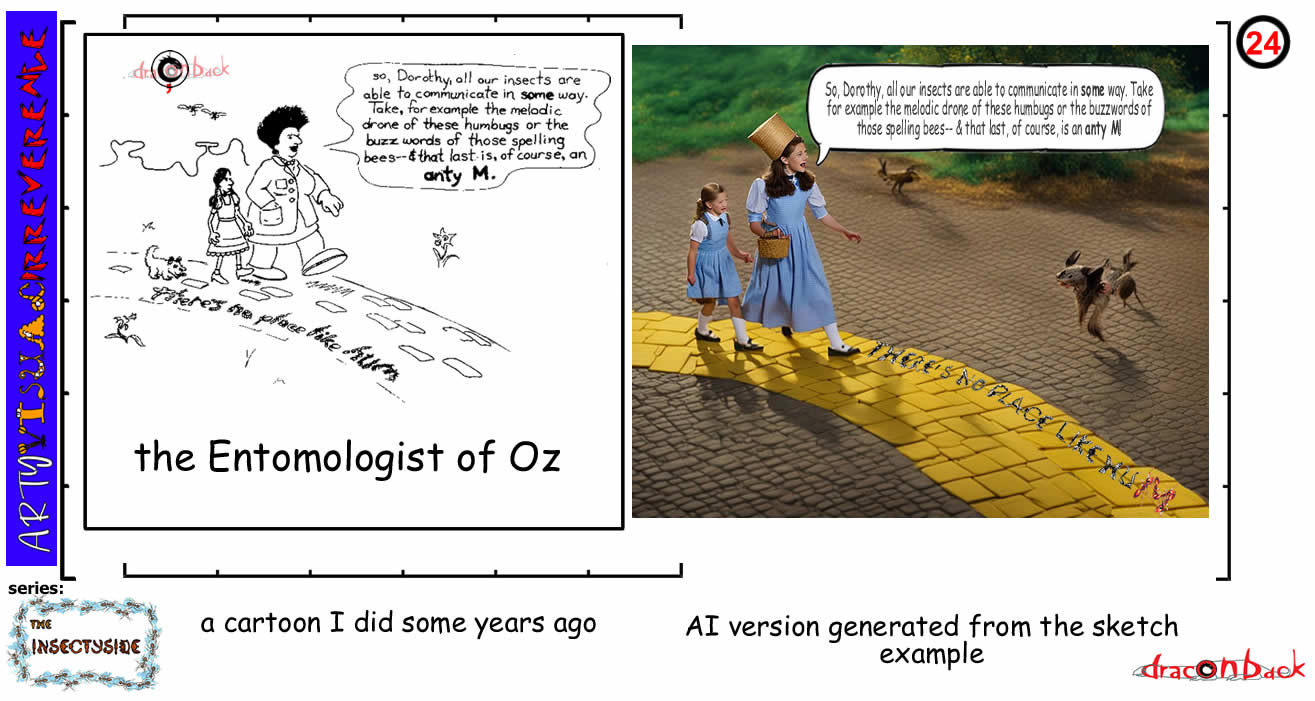
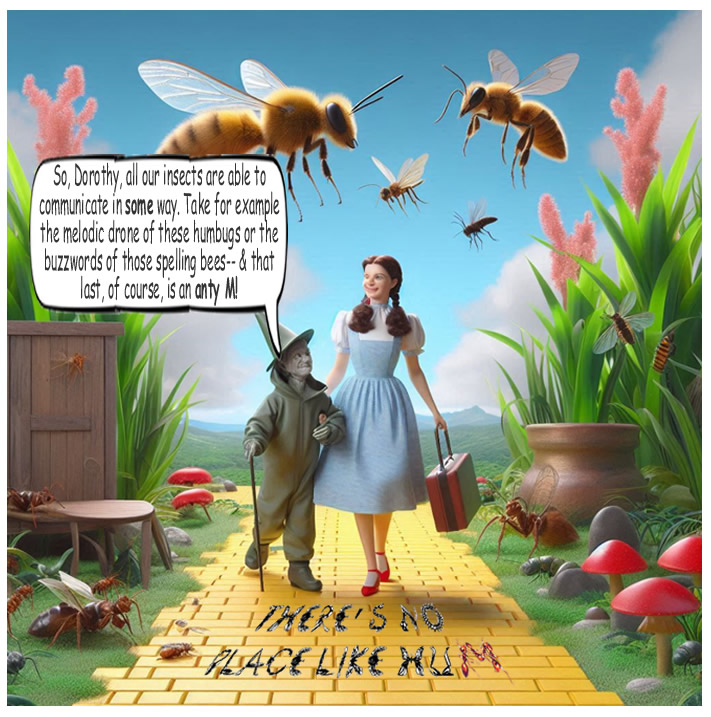
Collective communication systems are among the most fascinating developments in insect evolution, giving rise to remarkable forms of social intelligence. Social insects are, of course, much more dependent on the transfer of information than are solitary insects. |
 |
|
Eusociality represents the most advanced form of social organization in insects, characterized by three fundamental traits that must all be present:
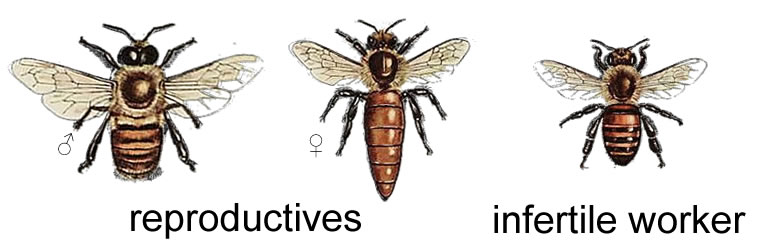
Reproductive division of labor is the cornerstone of eusociality. The colony contains distinct castes where only certain individuals (queens and sometimes kings) reproduce, while the majority of colony members (workers) are functionally sterile and dedicate their lives to supporting the reproductive individuals and maintaining the colony. |
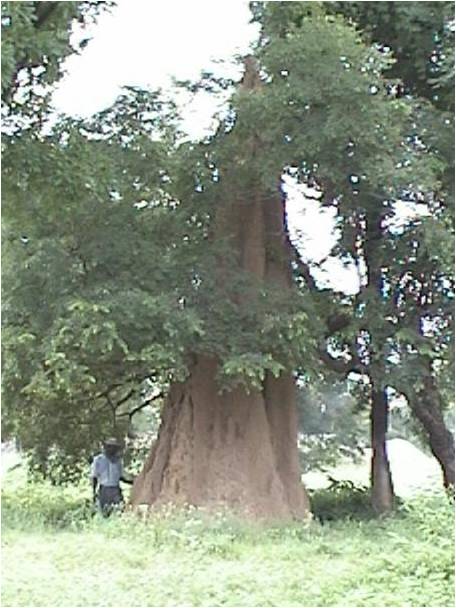
Colony-based living in long-lasting (multiple generations of offspring), structured nests, like the towering termite mound in Northern Ghana at right) that provide security and facilitate efficient coordination among colony members is a hallmark of eusocial insects. |
|
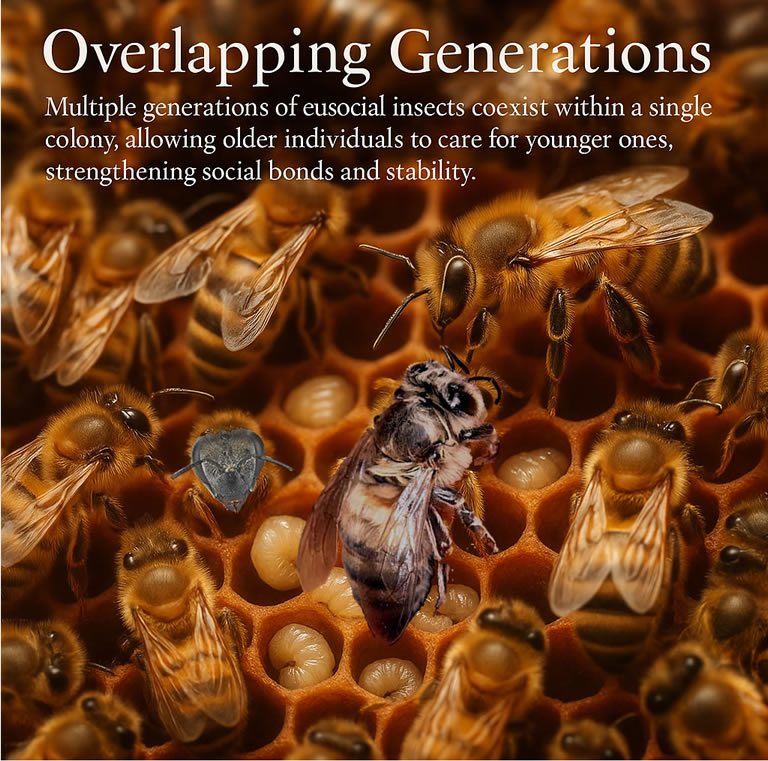 |
Overlapping generations means that offspring remain in the natal colony and work alongside their parents rather than dispersing to establish their own colonies. This creates a multi-generational society where different age cohorts coexist and cooperate within the same social structure. |
Cooperative care of young involves the sterile workers actively raising siblings rather than their own offspring. Workers invest their energy in feeding, protecting, and nurturing the queen's offspring, which are their brothers and sisters rather than their own children. |
|
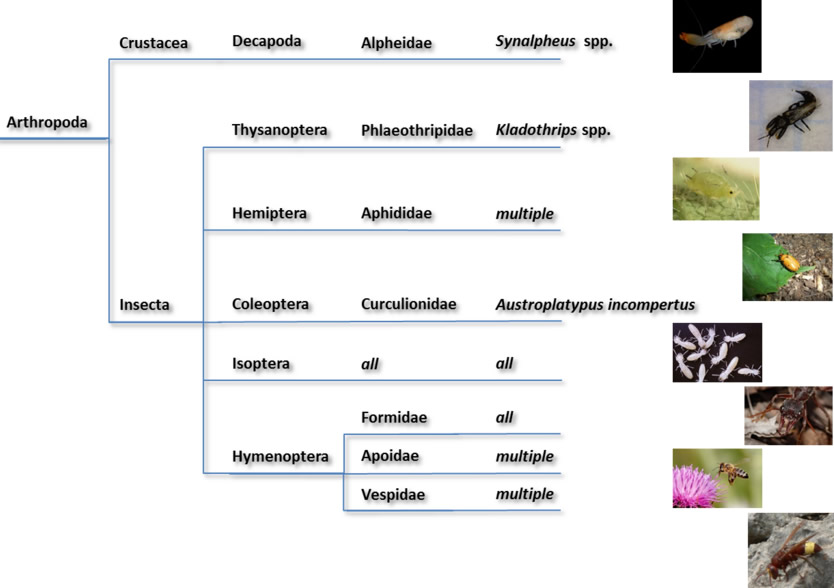 |
The classic examples of eusocial insects include ants, many bee species (particularly honeybees), wasps in the family Vespidae, and termites. Termites are particularly interesting because they evolved eusociality independently from the hymenopteran insects (ants, bees, wasps), demonstrating that this social system can arise through different evolutionary pathways. |
In order to maintain proper coordination of all the tasks necessary for the survival of the colony, social insects such as termites, ants and bees have had to evolve a number of different modes of signalling to one another. Predatory ants foraging for insect prey will dash about in a circle around a potential victim drawing others of its nestmates to assist in subduing it-- vision alone seems sufficient to induce recruitment. |
|
 |
Vibrations set up by the whirring of wings and motion along the comb seem to be important constituents in the melange of signals used by dancing honeybees (components of communication confirmed through research utilizing a mechanical bee). |
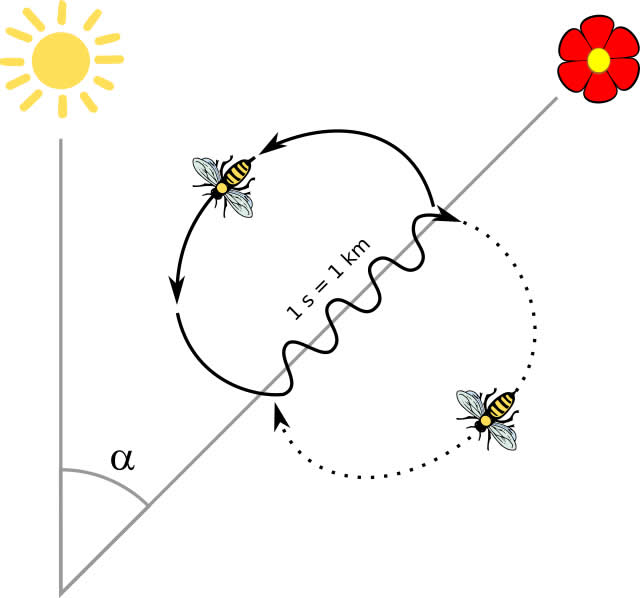
Honeybees waggle dance, decoded by Karl von Frisch in work that eventually earned him a Nobel Prize, encodes multiple data points in a single behavioral sequence. The dance angle relative to vertical indicates the resource direction relative to the sun, while the dance duration correlates directly with distance. The vigor of the dance conveys information about resource quality. This symbolic communication system, once thought unique to humans, demonstrates how selective pressures can produce sophisticated information encoding in organisms with relatively simple nervous systems. |
|
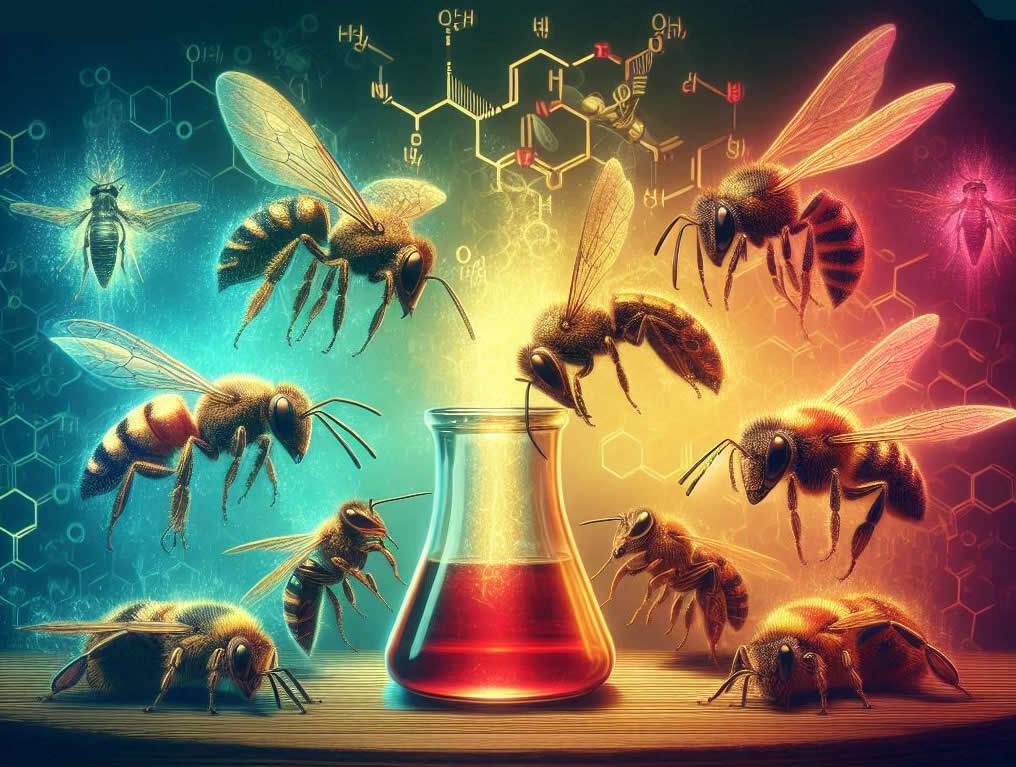 |
Eusocial insects in the order Isoptera (termites) and Hymenoptera (ants, bees and wasps) produce subtle blends of chemical cocktails, pheromones, that can elicit distinct types of behaviors in their peers. Likewise, all of the social insects have been favorite subjects of research to understand communication amongst insects. |
Aside from suggesting techniques for more efficient economic exploitation of honeybee colonies, and possible control measures for ants and termites, understanding the mechanisms of communication and interaction amongst the social insects may help us gain a better understanding of the motives and instincts that affect our own societies.
|
|
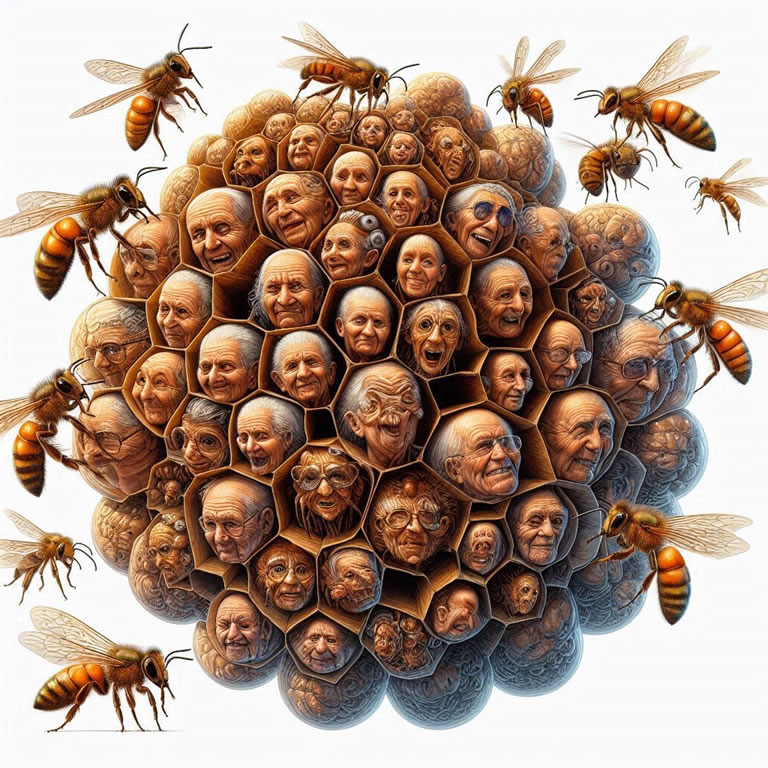 |
Given the basic biological necessities and exigencies of social life amongst any group of animals, it is easy to see how we might see ourselves reflected in the bustling activities amongst the cells of eusocial insects. |
| |
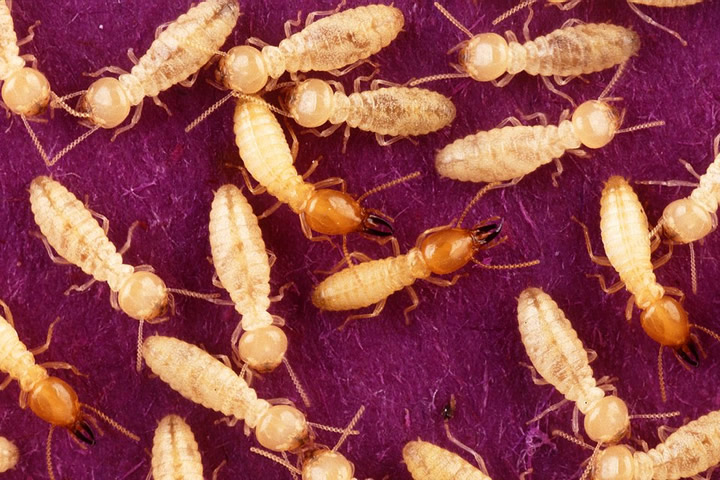
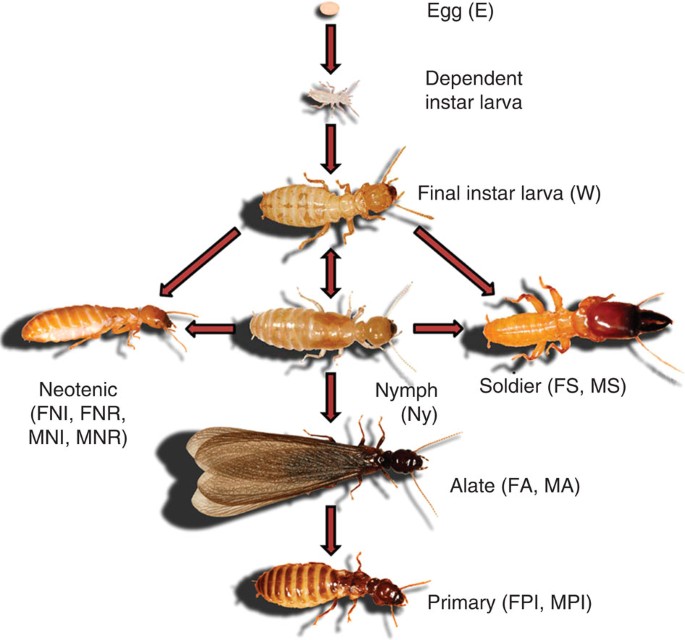
Termites, often overshadowed by their hymenopteran counterparts in public fascination, utilize a rich chemical vocabulary. Their primary communication mode involves pheromones—biochemical compounds that transmit specific information when detected by conspecifics. These chemical signals regulate caste differentiation, coordinate construction activities, and trigger defensive mobilization. |
 |
|
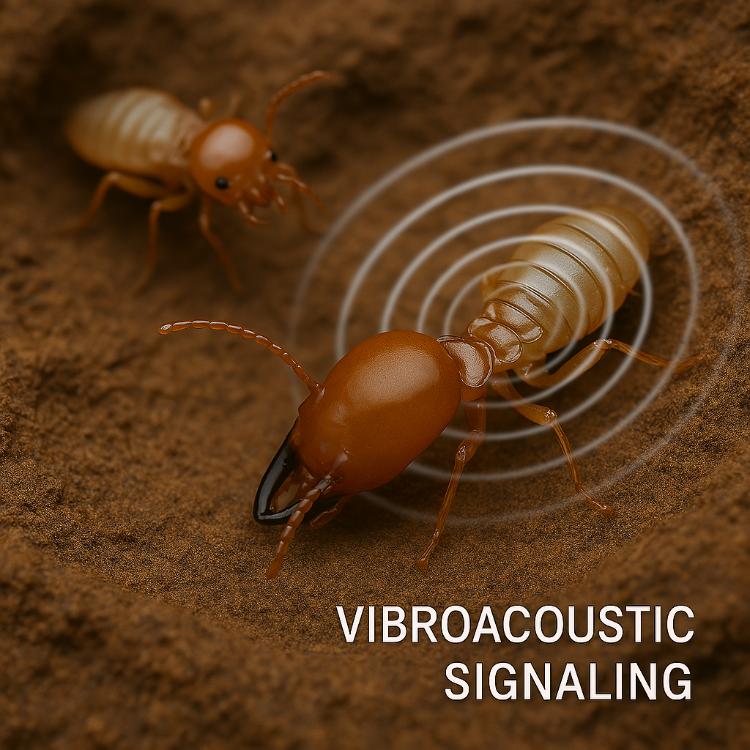
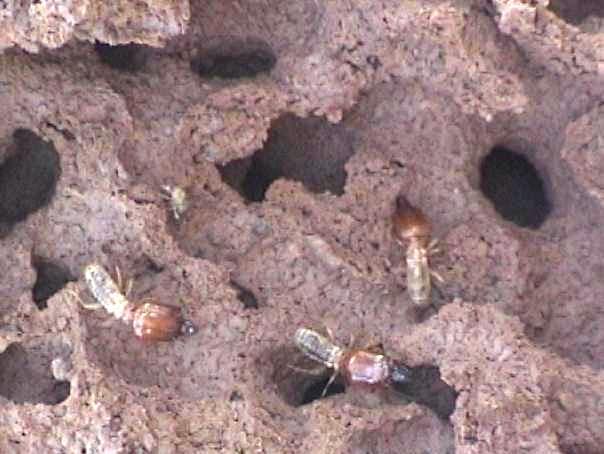
Termites use vibroacoustic signaling alongside chemical messaging. When danger threatens the colony, certain termite species (particularly soldiers) engage in alarm behaviors that include striking their heads against tunnel walls—effectively creating seismic warnings that propagate through the nest structure. This "drumming" varies in intensity and pattern depending on the threat level, demonstrating a surprisingly nuanced alert system. |
Soldiers of some termite species drum their heads against the floor of their nest to signal alarm and draw others of their kind to a breech in their fortifications or to the site of some altercation. |
 |
 |
Social insect societies sometimes come into conflict with one another. |
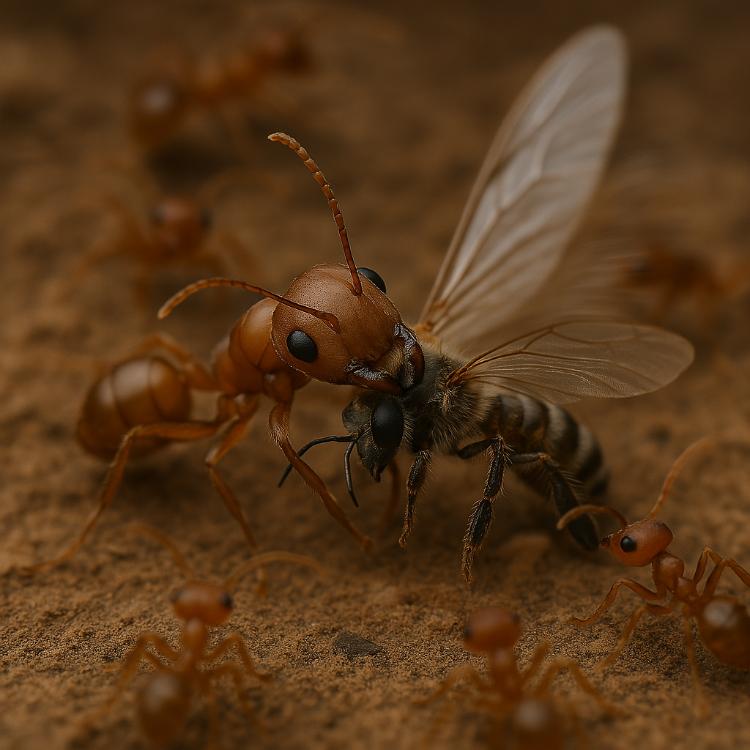
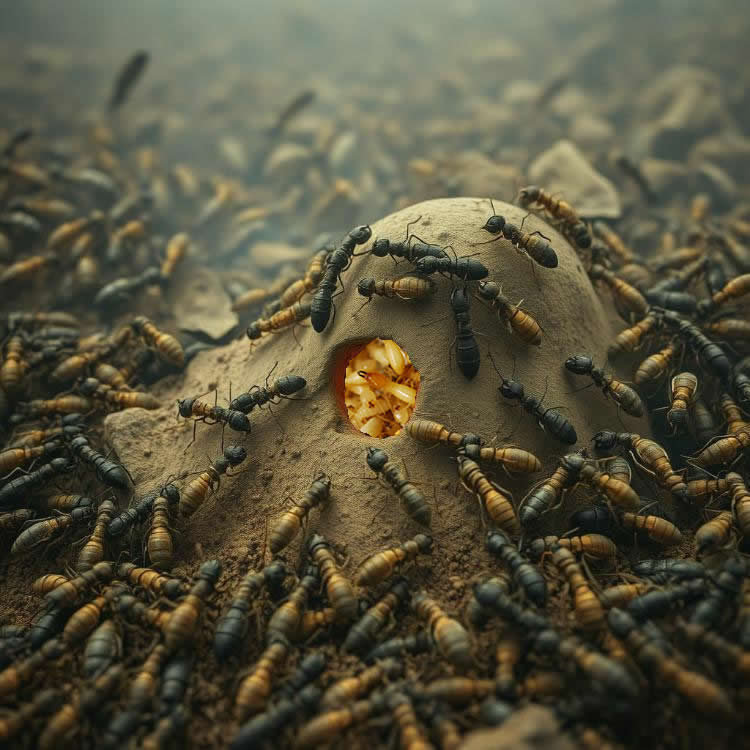
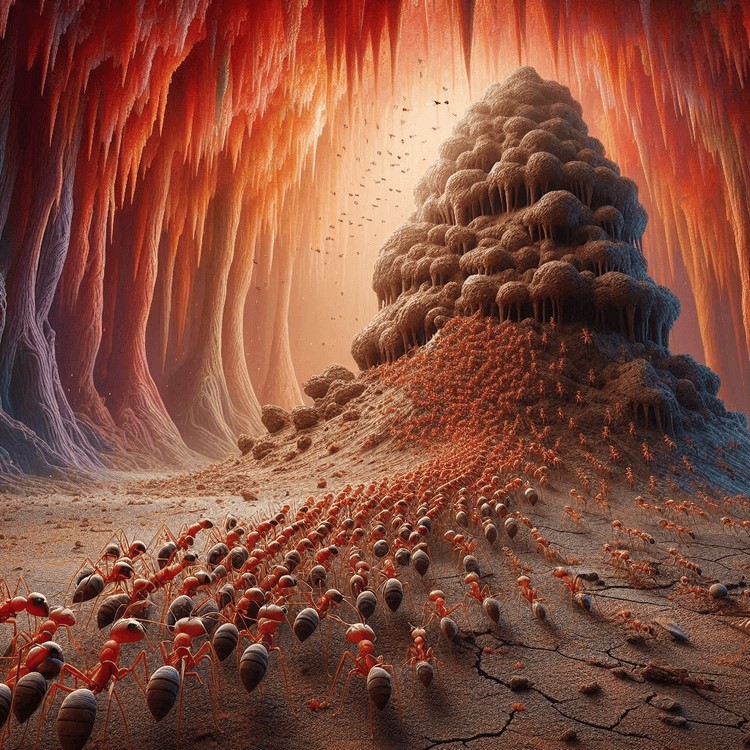
Certain ant species, like army ants and Matabele ants, launch coordinated attacks on termite colonies, seeking food and resources. These raids are a crucial part of the ecosystem, demonstrating the relentless struggle between predator and prey in the insect world. |
|
|
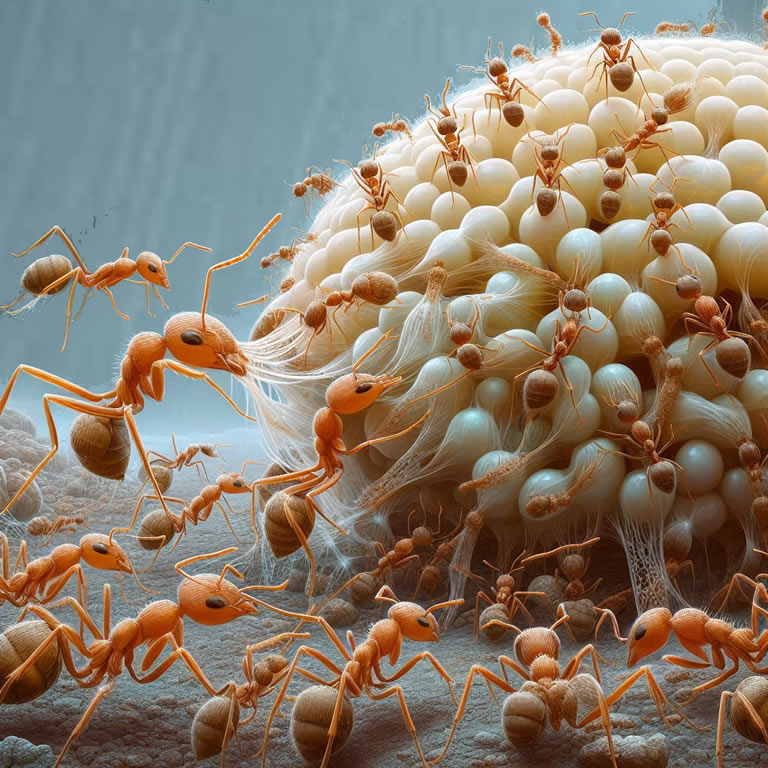
The ants swarm the mound, using their sheer numbers and aggressive tactics to overwhelm termite defenses. Termite soldiers, equipped with powerful mandibles and chemical defenses, fight back fiercely, attempting to repel the invaders. However, the ants' mobility and teamwork often give them the upper hand, allowing them to penetrate deep into the mound and capture termite workers. |
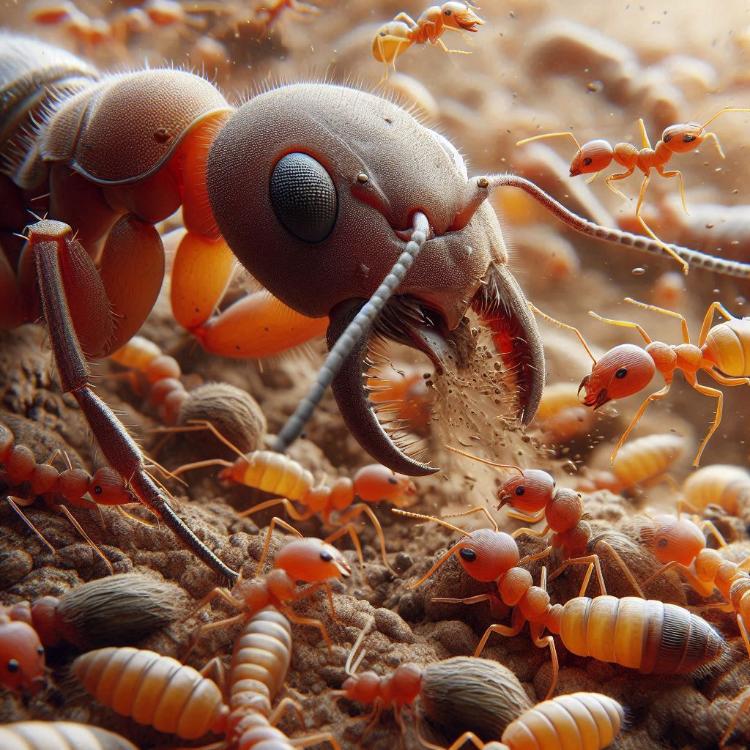
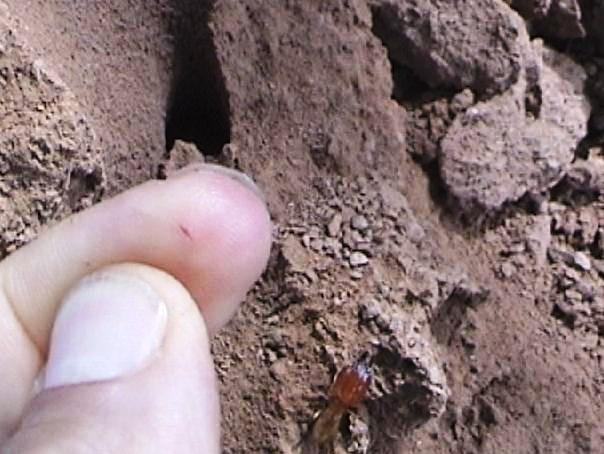
Termites are not known for biting humans, but their soldier caste has strong mandibles designed for defense. These mandibles can deliver a bite, but their primary function is to chew through wood and other plant-based materials and to protect the colony. |
|
|
|
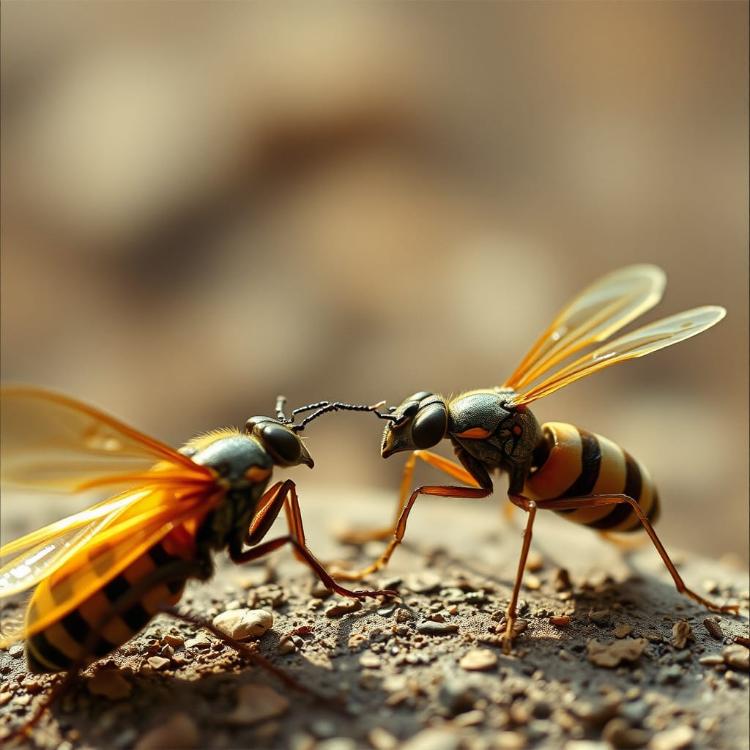
Antennation—the touching of antennae between individuals—serves as a complex information exchange mechanism. This physical contact allows for the transfer of recognition cues, physiological status information, and task-related data. In honeybee colonies, specialized "middle-aged" workers function as information brokers, engaging in disproportionately high rates of antennation, effectively becoming the neural connections of the colony superorganism.
|
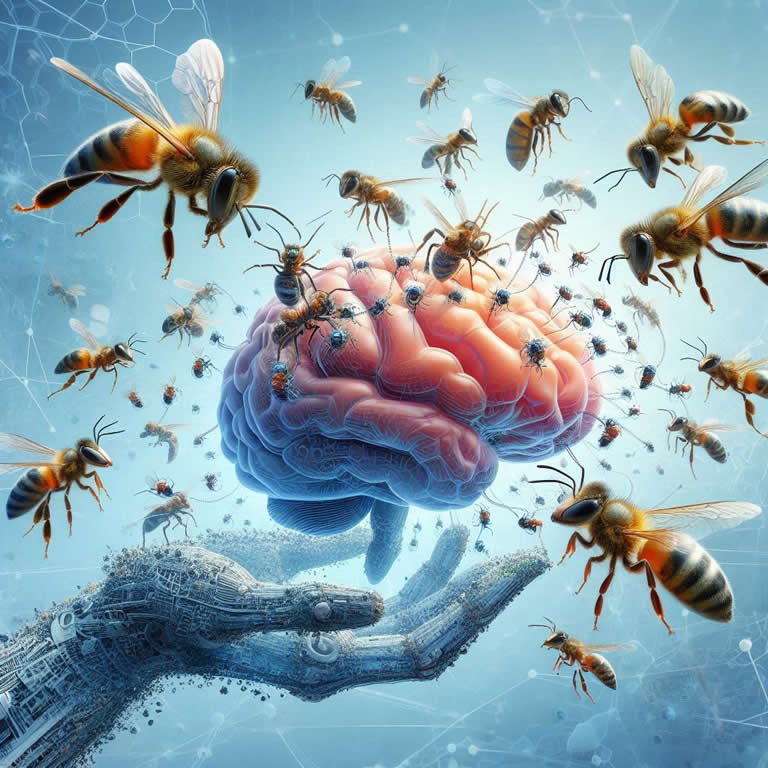
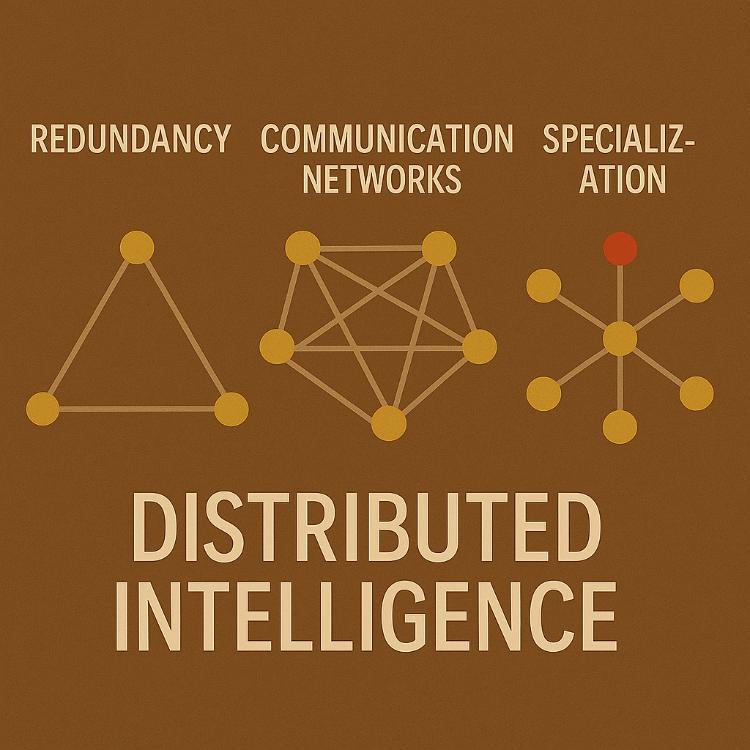
The communication systems of Isoptera and Hymenoptera demonstrate evolution's capacity to produce emergent complexity through relatively simple interactions. Individual insects, operating with limited neural processing power, collectively generate decision-making capabilities that often surpass the cognitive capacity of any single member. This distributed intelligence relies on communication networks that combine redundancy with specialization—multiple channels conveying overlapping information while maintaining channel-specific advantages.
|
|
|
Modern research utilizing advanced imaging techniques and computational models continues to reveal new dimensions of these communication systems. Biomimetic applications inspired by social insect communication now inform fields ranging from network theory to swarm robotics. Perhaps most profound is the insight these systems provide into the nature of intelligence itself—challenging our anthropocentric definitions and revealing how sophisticated collective behavior can emerge from relatively simple rule-based interactions mediated through evolved communication channels.
|
| |
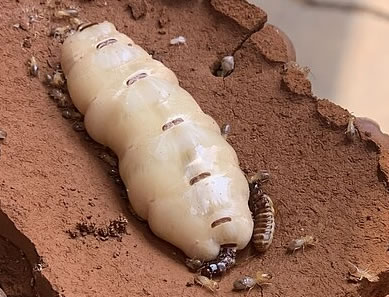
- Some termite queens can lay up to 30,000 eggs per day, maintaining massive populations through continuous reproduction.
|
 |
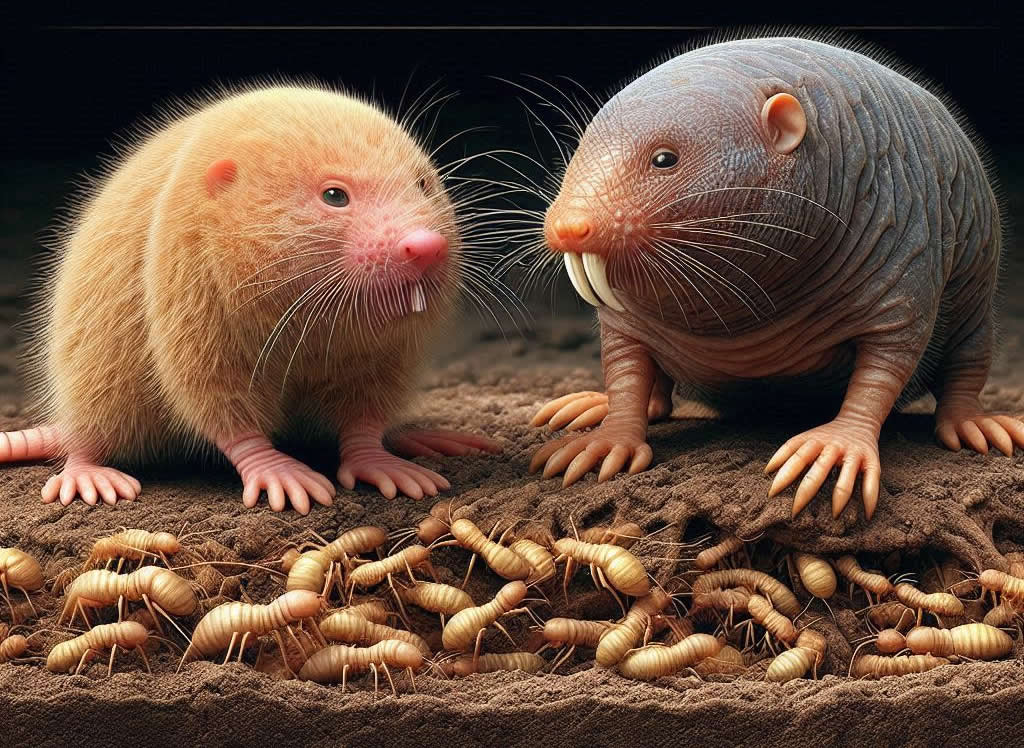 |
- Despite being separated by over 300 million years of evolution, naked mole rats (mammals) and termites independently evolved remarkably similar eusocial systems, including a reproductive division of labor and complex underground colonies—a striking example of convergent evolution.
|
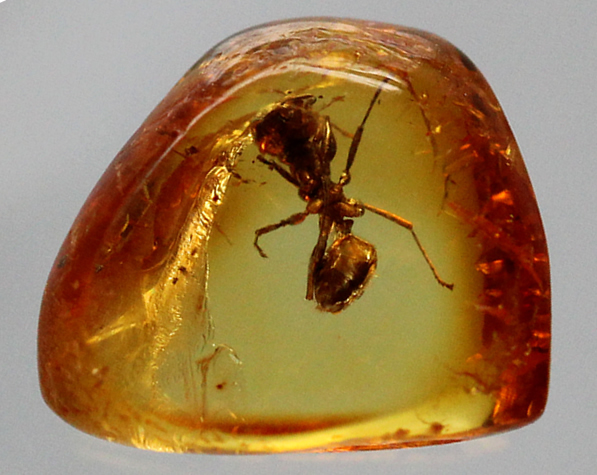
- In 2011, scientists discovered a 100-million-year-old amber specimen containing a worker ant-like insect from the Cretaceous period, providing evidence that eusociality had already evolved to an advanced state during the age of dinosaurs.
|
|
|
|
|
|
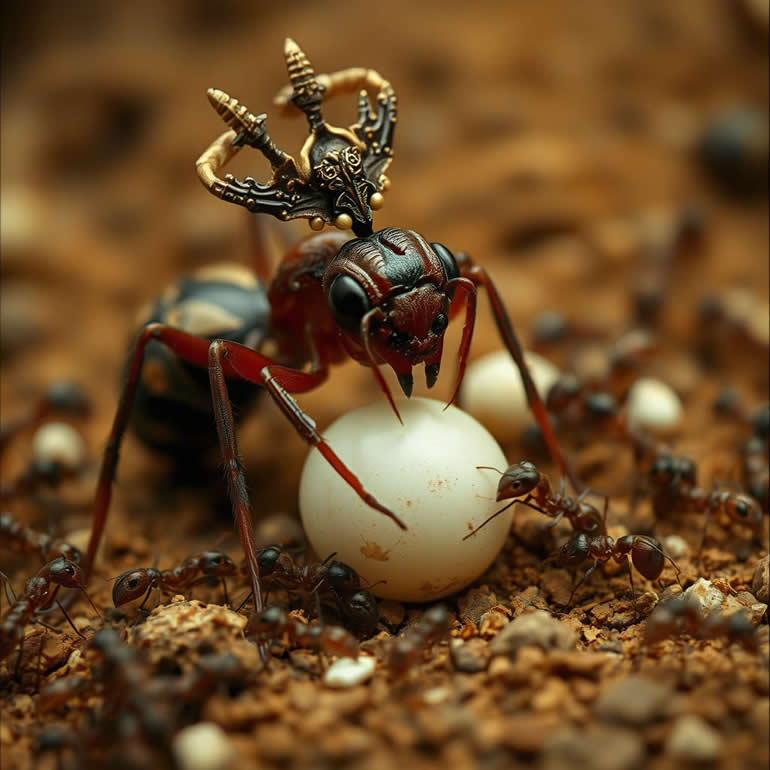
- In some Dinoponera ant species, there is no queen caste. Instead, a dominant female worker (called a "gamergate") assumes reproductive duties. If her performance declines, subordinate females engage in ritualized tournaments to determine a successor, creating a form of reproductive meritocracy.
|
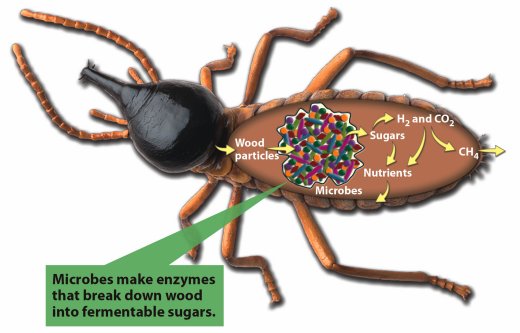
- Young termites cannot digest wood without specific gut microorganisms. They acquire these through a behavior called proctodeal trophallaxis—essentially consuming anal secretions from mature colony members—creating a microbial inheritance system essential for colony function.
|
|
|
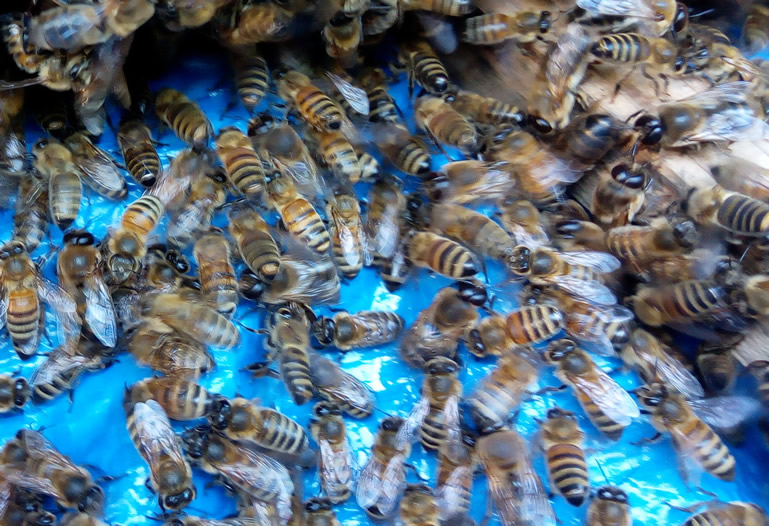
- Honeybees precisely control their hive temperature through collective behavior. When too hot, thousands of bees synchronize their wing movements to create air conditioning currents; when too cold, they form insulating clusters and generate heat through muscle contractions, maintaining the brood area within 0.5°C of the optimal 35°C.
|
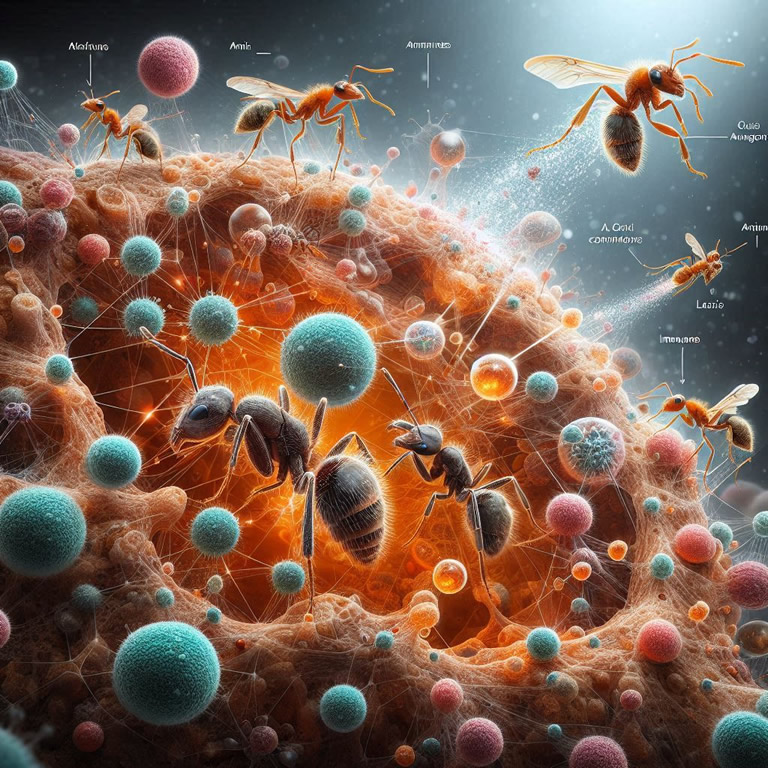
- When Lasius neglectus ants encounter a pathogenic fungus, exposed individuals pick up fungal spores at sublethal doses, then transfer them to nestmates. This controlled exposure activates immune responses colony-wide—effectively creating a form of vaccination that protects the entire superorganism against subsequent infections.
|
|
|
- All termite workers and soldiers are blind—they navigate their colonies through touch, smell, and vibrations, relying solely on non-visual cues.
|
- Some queen ants can live for decades, outlasting most workers by nearly 30 years, making them among the longest-lived insects on Earth.
|
|
|
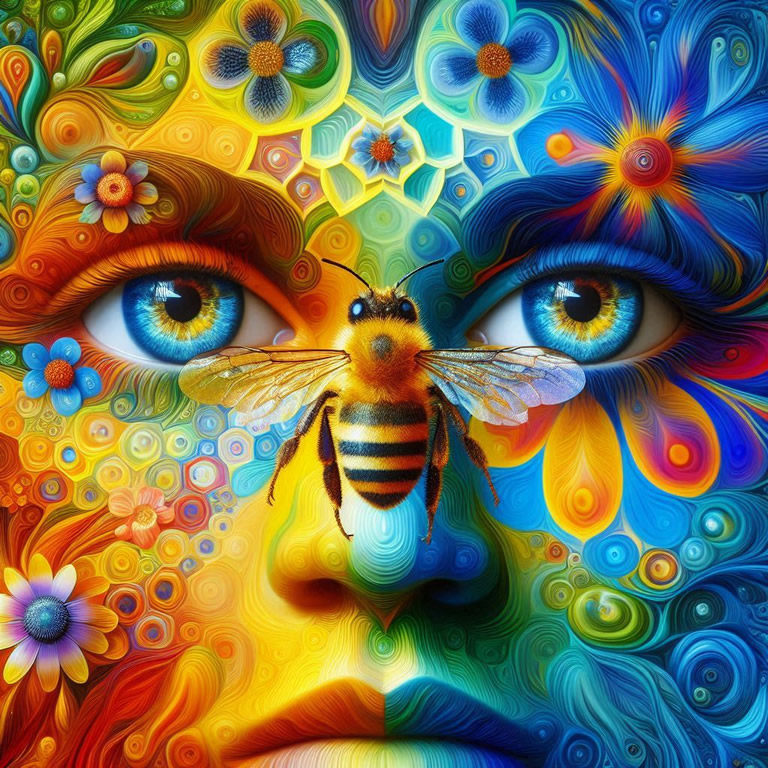
- Bees recognize human faces using pattern recognition, similar to how they identify flowers. Research suggests they can remember individual faces!
|
|
| |
|