|
|
| |
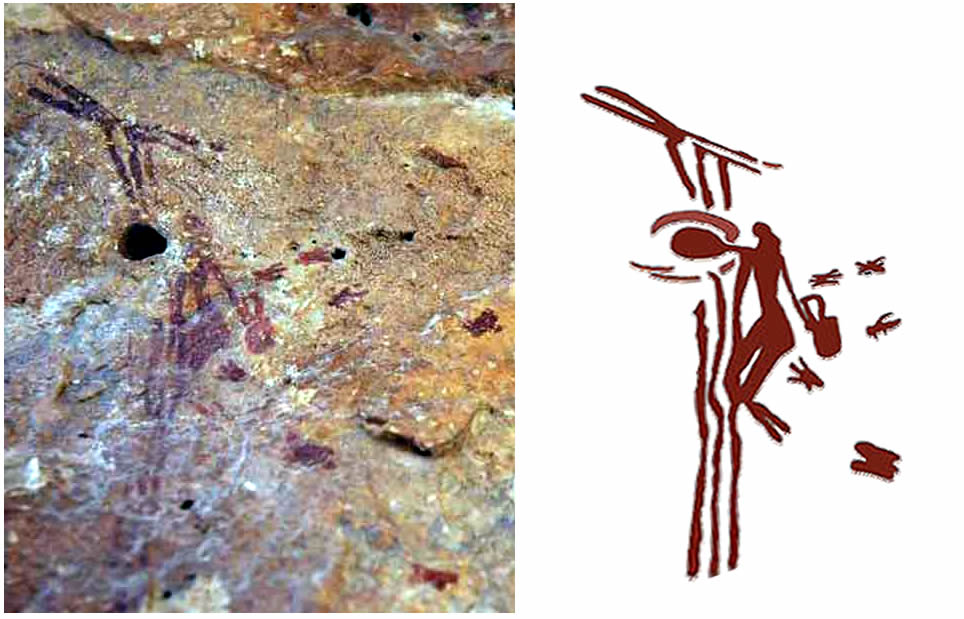
Robbing honeybee nests of the colonies' stores of concentrated sugar syrup has likely been practiced by humans since our species' very inception. Chimpanzees are known to dip long sticks into honeycomb hives and even to drum on hollow logs containing honeybee nests to drive bees out and to break into the logs to get at the sweet combs they contain. Our hominid ancestors likely did the same. Rock art depicting honey harvesting, particularly from Spain, provides some of the earliest evidence of humans gathering honey from wild bee colonies. These cave paintings, dating back 8,000 to 15,000 years, show figures climbing ladders or ropes to access hives on cliff faces. Honey harvesting has evolved from rudimentary collection methods like those documented in ancient rock paintings that often involved crude techniques such as breaking open wild hives, a practice that was harmful to bee populations. |
 |
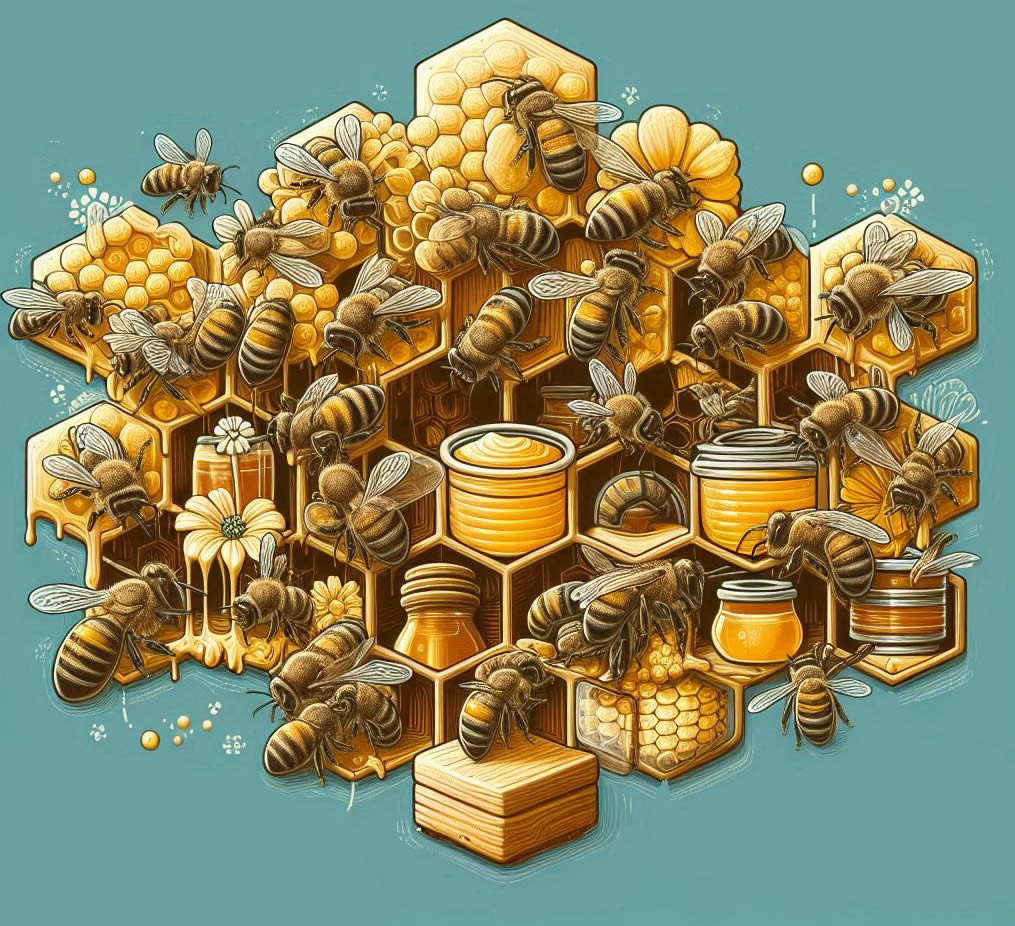 |
Honey begins its journey within the bustling hive, where worker bees diligently collect nectar from flowers. Using enzymes secreted in their bodies, the bees transform the nectar into honey, a process involving dehydration and chemical modification. This stored honey becomes the colony’s food reserve, crucial for sustaining the hive through colder months when forage is scarce.
|
The art of harvesting honey has evolved dramatically from ancient times when humans would raid wild bee colonies to today's sophisticated beekeeping operations. This evolution represents humanity's developing relationship with one of our most important pollinators and the liquid gold they produce.
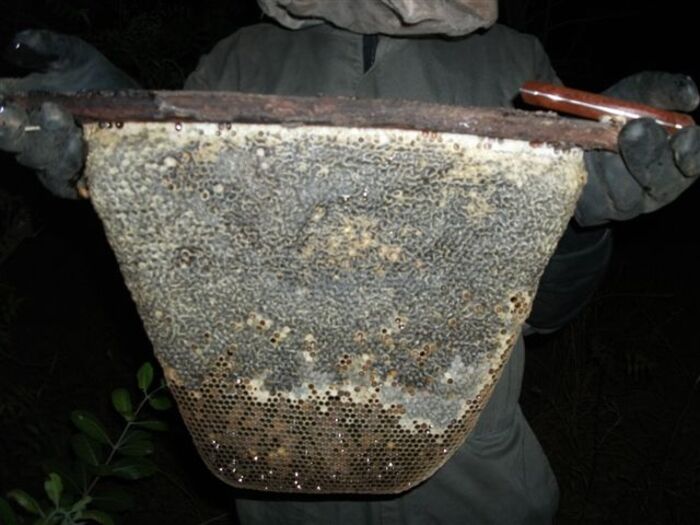
The Kenya Top Bar Hive (KTBH) design produces natural, u-shaped combs that hang freely from individual wooden bars. This distinctive architecture necessitates specialized techniques for honey collection and processing that preserve both the integrity of the colony and the exceptional qualities of the honey. Experienced beekeepers evaluate several factors: the proportion of capped honey cells (ideally exceeding two-thirds of the comb surface), the viscosity of uncapped honey, and the overall honey-to-brood ratio within the hive. These indicators ensure that only properly ripened honey with optimal moisture content is harvested, preserving its storage stability and flavor profile.
|
 |
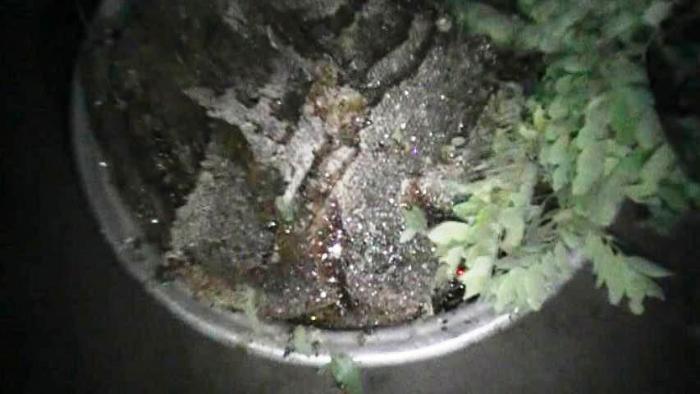 |
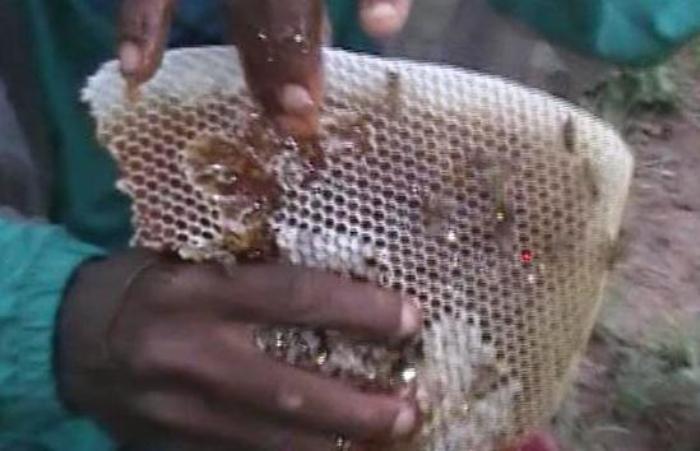
Once harvested, the combs are transported by means to keep them free from bee access to prevent robbing behavior that could disrupt the apiary. This often includes conducting harvesting combs at night and/or covering harvested comb with vegetation to keep bees from settling on the cut comb. The primary extraction method for KTBH honey is the crush-and-strain technique, which, while more labor-intensive than centrifugal extraction, preserves delicate aromatic compounds and bioactive elements that might otherwise be compromised.
|
The combs are first segregated, with honey-laden sections separated from those containing pollen or brood.
|
 |
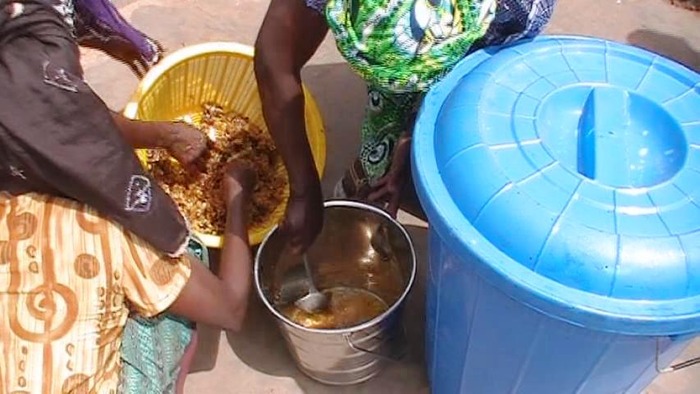 |
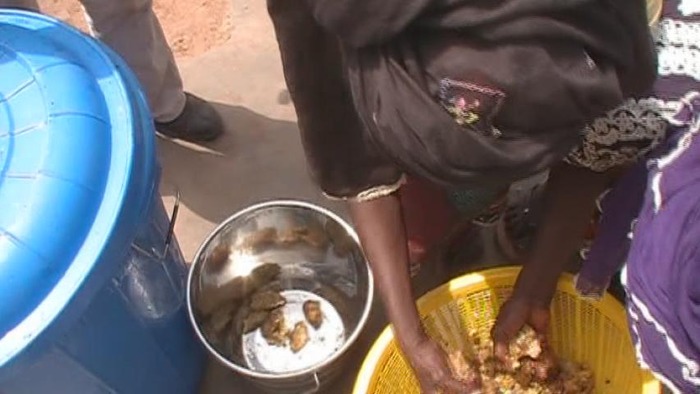
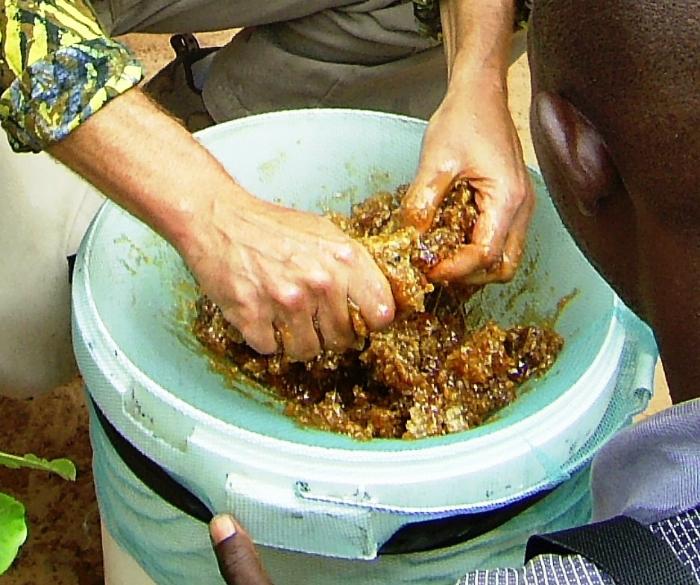
For small-scale beekeepers, the crush and strain methods offer a simple way to harvest honey. This approach involves crushing the honeycomb and straining the resulting mixture, sacrificing the comb but eliminating the need for expensive extraction equipment. While less efficient, this method remains popular among hobbyists and those producing specialty artisanal honey. Working with clean, food-grade equipment, the beekeeper manually crushes the honey combs in stainless steel or food-safe plastic containers. This ruptures the hexagonal cell structures and wax cappings, liberating the encapsulated honey. Some practitioners employ a gentle pressing device or rolling pin to ensure thorough crushing while maintaining temperature stability.
|
The resulting slurry undergoes a multi-stage filtration process. Initially, the crushed material passes through a coarse mesh strainer or colander that captures larger wax fragments, propolis pieces, and any bee parts. |
 |
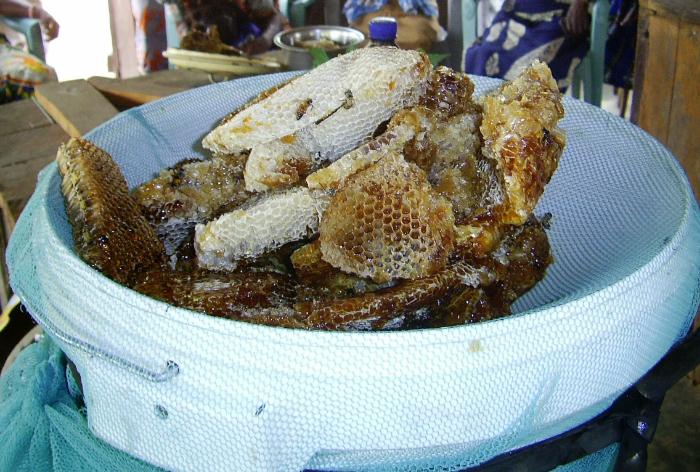 |
Subsequently, the honey flows through progressively finer filters, often using specialized nylon or stainless steel honey sieves with precisely calibrated micron ratings. |
| Many traditional beekeepers prefer gravity filtration over 24-72 hours, allowing the dense honey to slowly percolate through the filtering materials without mechanical pressure that could alter its colloidal structure. |
 |
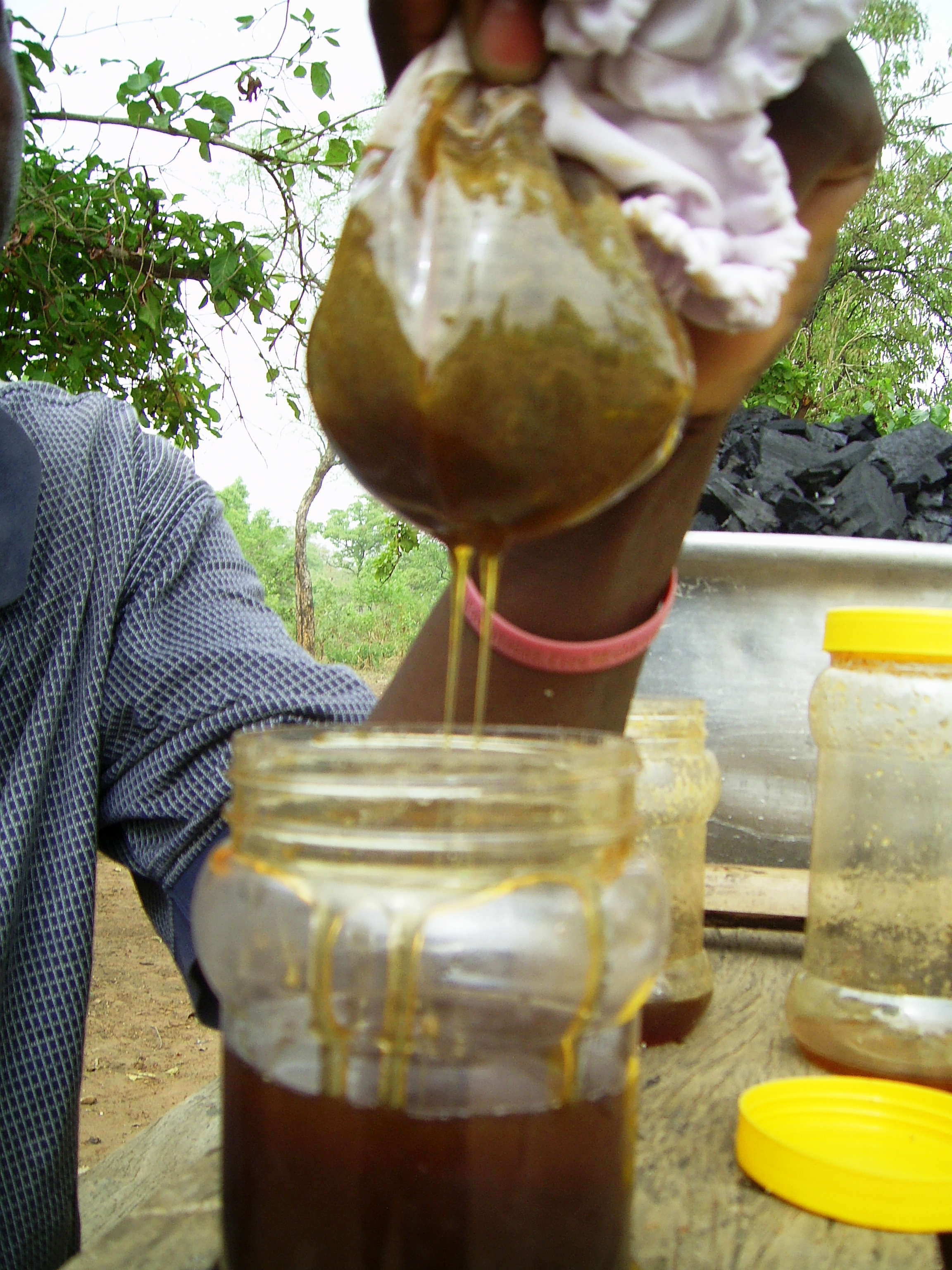 |
Crushed honeycomb can be hand-squeezed through nylon cloth to hasten the separation from honey so that the wax can be melted down over a small fire or stovetop.
The separated beeswax represents a valuable secondary product from the honey harvesting process. Initial processing involves thoroughly rinsing the wax with clean water to remove residual honey, which would otherwise ferment and taint the wax. The rinsed wax is then broken into smaller pieces to facilitate even melting. |
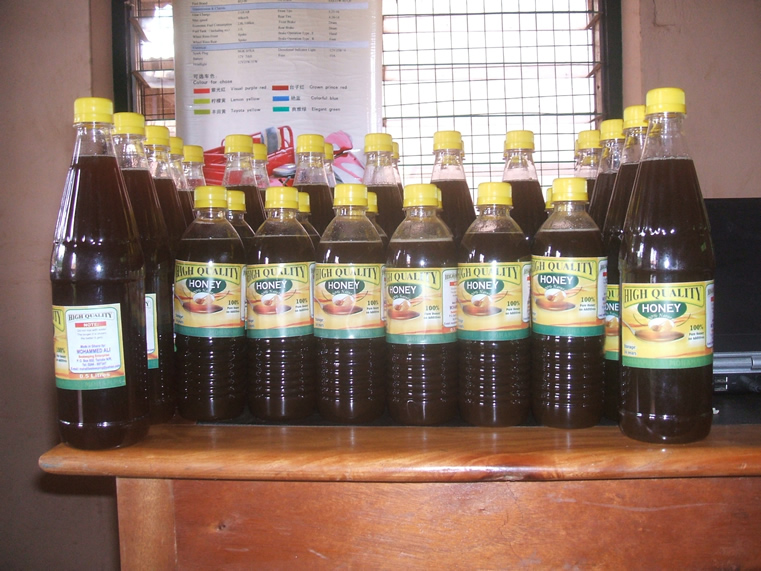
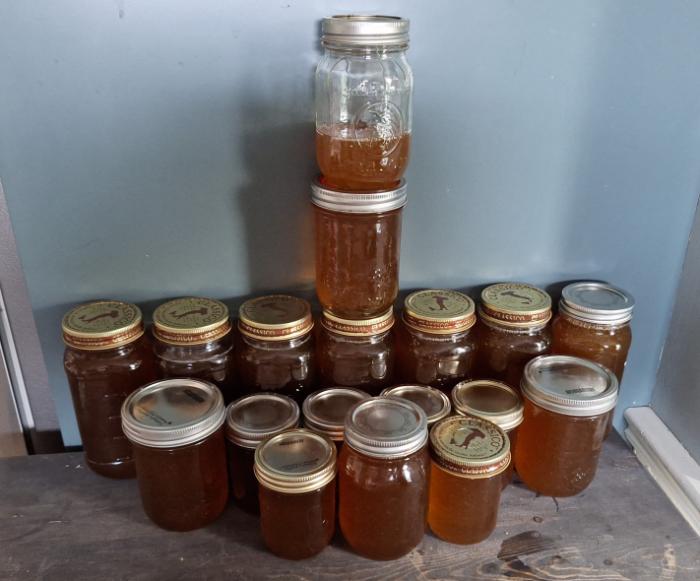
The clarified honey is then carefully transferred to the prepared containers, leaving appropriate headspace to accommodate the honey's hygroscopic properties and potential thermal expansion. Airtight, food-grade lids are applied promptly to prevent moisture absorption. Comprehensive labeling includes harvest date, floral sources (if identifiable), geographical origin, and storage recommendations.
|
 |
| |
Harvesting honey from Langstroth-frame hives demands careful timing and technique and is much more capital intensive than KTBH beekeeping. Beekeepers typically collect honey during late summer or early autumn, ensuring that the colony retains sufficient stores for winter. The process requires inspecting frames within the hive to determine which are ripe for extraction. Mature honeycombs, identified by their capped cells—sealed with beeswax—indicate that the honey has reached optimal moisture content of approximately 18% and is ready for harvest.
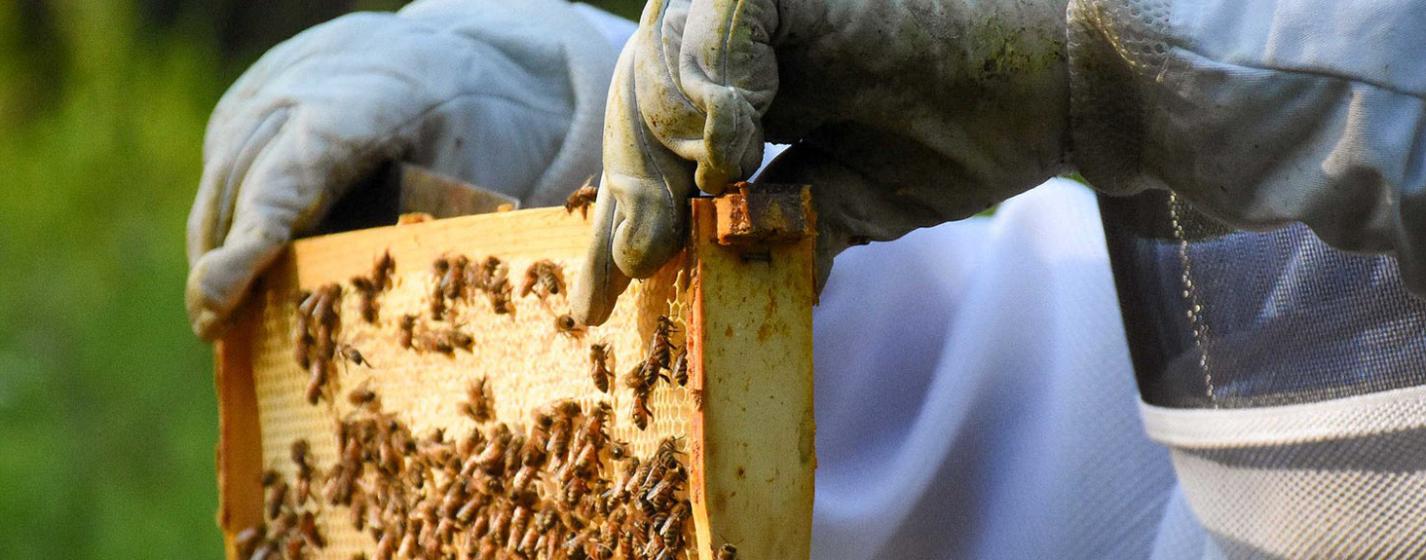
Beekeepers gently extract honey-laden frames from the hive, ensuring minimal disturbance to the colony. A smoker may be used to calm the bees, reducing aggressive responses. |
|
|
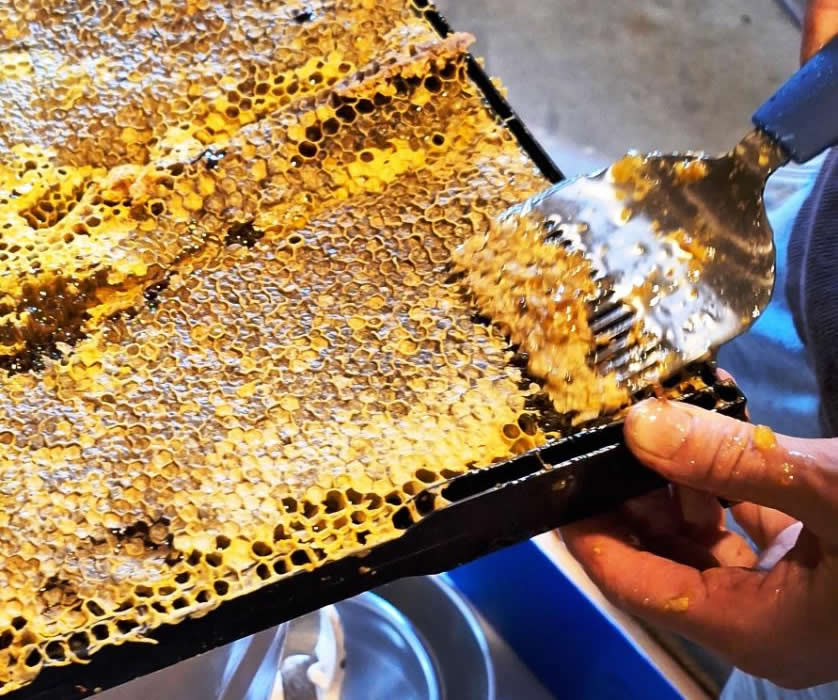
Once removed from the hive, the honeycombs undergo uncapping—the removal of the wax seal bees create to protect their stored honey. The wax caps that seal the honey cells are removed using a heated knife or specialized comblike tool, exposing the viscous liquid within. |
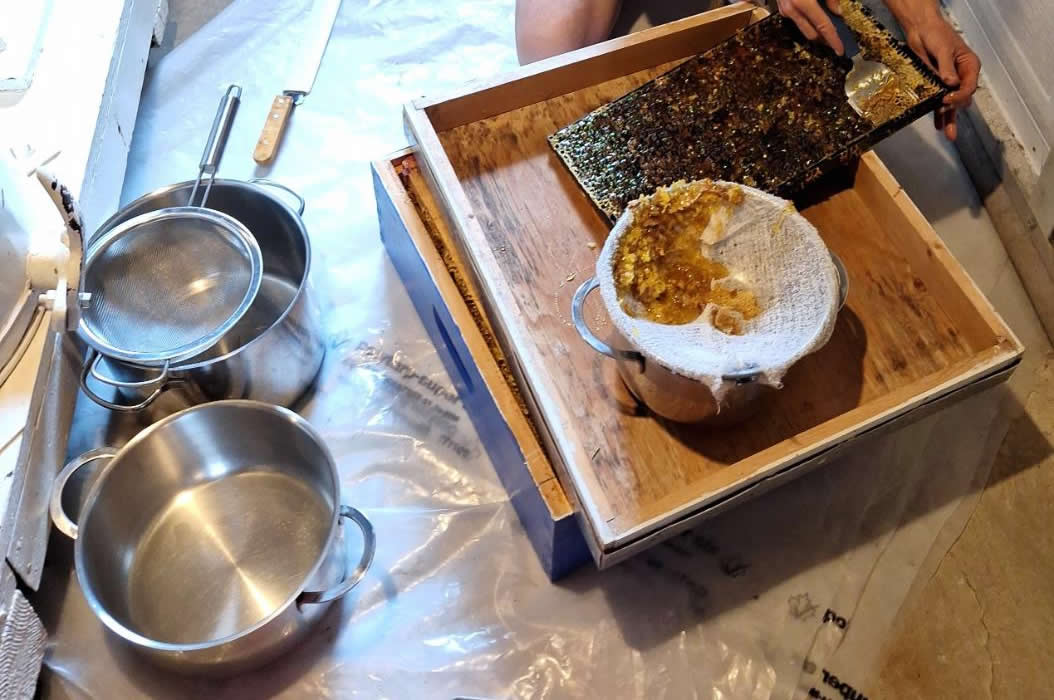
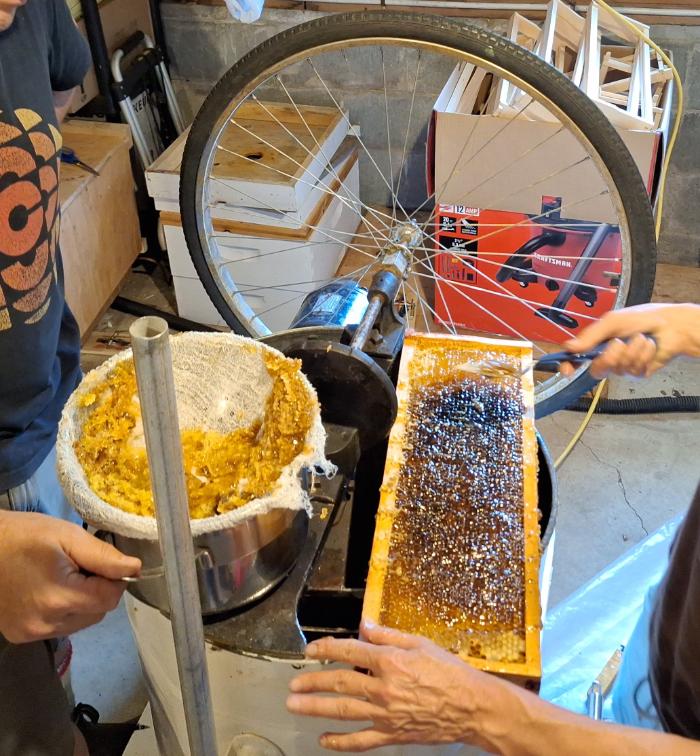
Wax caps that are removed are allowed to drain through a straining system so that the wax can be reclaimed for processing. |
 |
 |
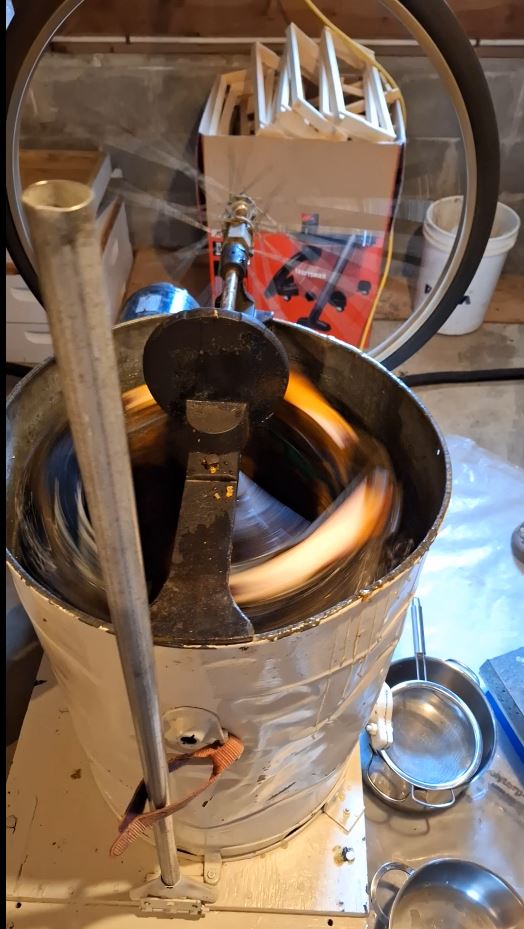
Honey is then extracted using a centrifugal spinner, which flings honey out of the comb without damaging the structure. This method allows beekeepers to return the empty frames to the hive, enabling bees to refill them with fresh honey.
|
Honey extractors are essentially centrifuges that spin the frames, using centrifugal force to draw honey from the cells while preserving the wax structure for reuse by the bees, a significant efficiency improvement over historical methods. |
 |
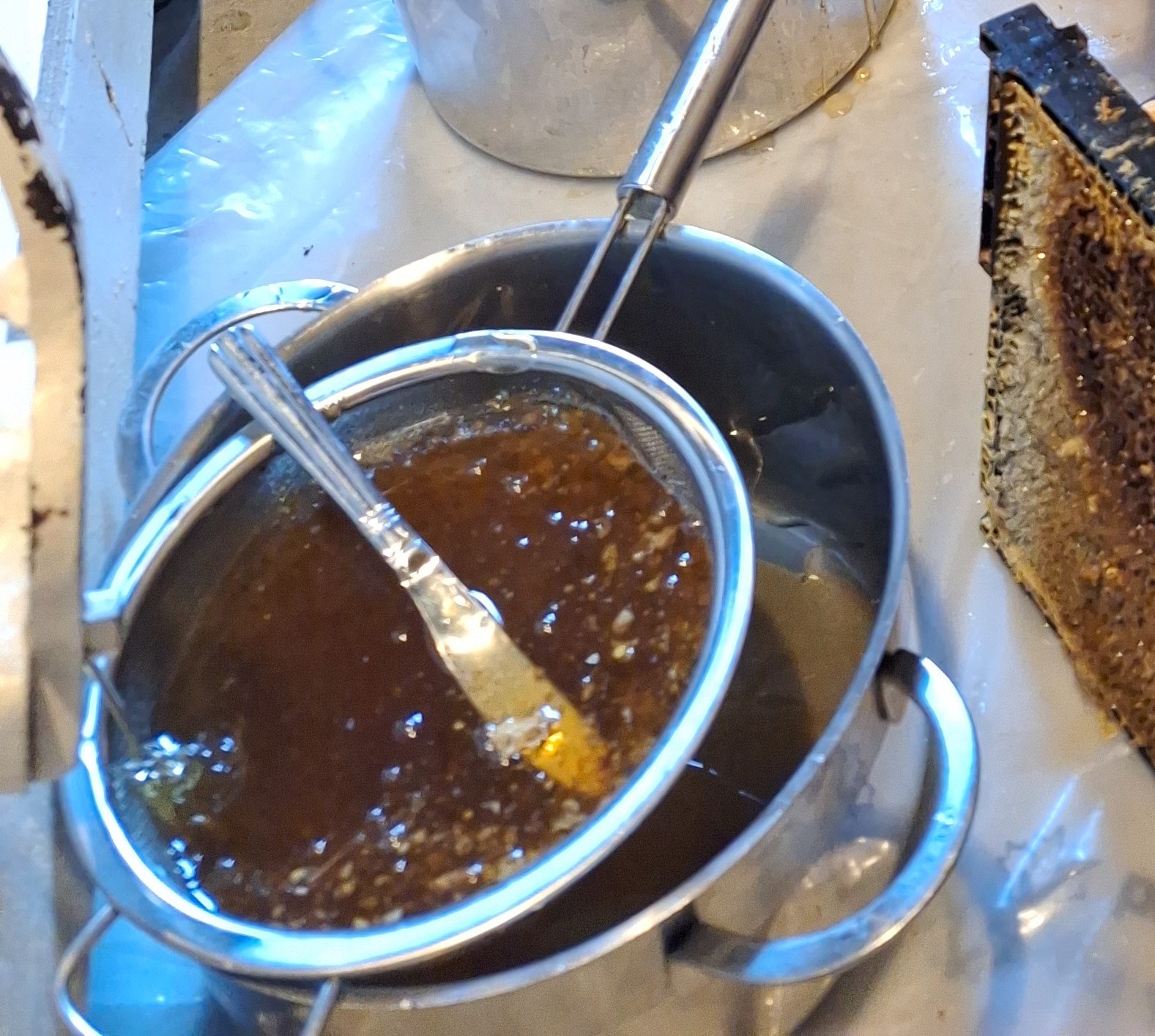 |
The extracted honey is strained to remove residual wax and impurities before bottling. The degree of filtration represents a key decision point in honey production. Minimal filtration preserves pollen, enzymes, and other beneficial compounds but results in a product that crystallizes more readily. More aggressive filtration creates the clear, slow-crystallizing product many consumers expect but removes elements considered valuable by nutritionists and health-conscious consumers.Some producers may choose to pasteurize the honey, although raw honey—left in its natural state—retains more enzymes and nutrients.
|
.
The final stages involve bottling and storage. Proper packaging prevents moisture absorption, which can lead to fermentation, while appropriate storage conditions maintain quality. Unlike many food products, properly harvested and stored honey has an indefinite shelf life—archaeological discoveries of still-edible honey from ancient Egyptian tombs attest to this remarkable stability.
|
 |
| |
|
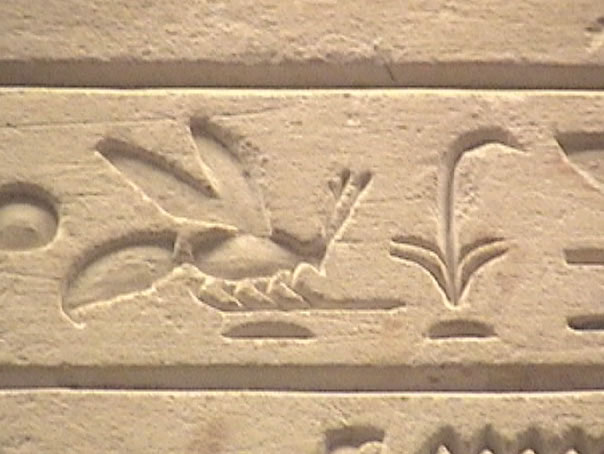 |
The profession of beekeeping was so respected in ancient Egypt that beekeepers were employed by the pharaohs, and the honeybee was an official symbol of the king of Lower Egypt. |
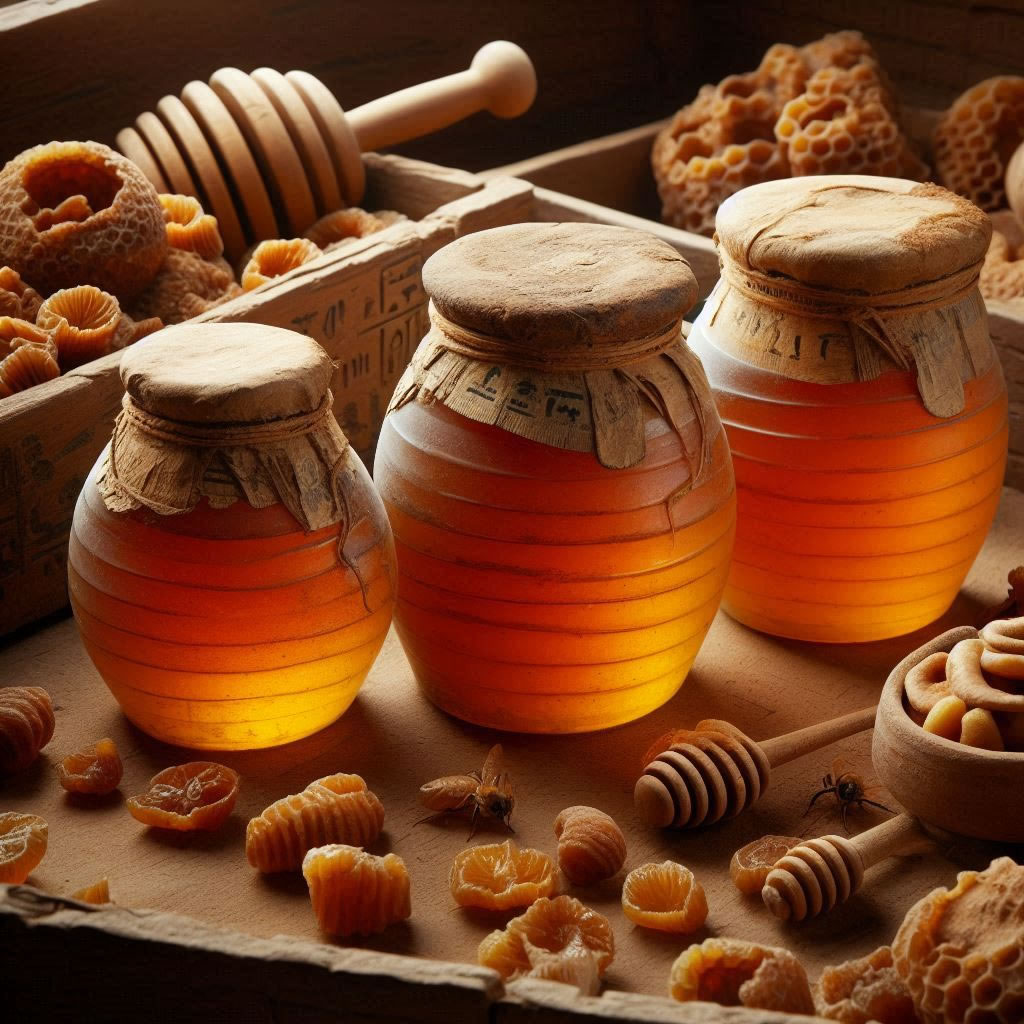
Honey samples from ancient Egyptian tombs have remained edible for thousands of years due to its low moisture content and naturally occurring hydrogen peroxide. |
 |
 |
For the same reasons, honey was used as an antiseptic on battlefields until the early 20th century due to its antibacterial properties. It contains hydrogen peroxide and has a low pH that inhibits bacterial growth. |
| In ancient Greece, honey was considered so valuable that it was used as a form of tax payment. Greek athletes also consumed honey before competing in the original Olympic games. |
 |
 |
Mead, an alcoholic beverage made from fermented honey and water, is likely the world's oldest alcoholic drink, predating both wine and beer in many cultures. |
| In medieval Europe, honey was the primary sweetener until sugar became widely available in the 16th century. Honey collectors, called "honey hunters," held respected positions in society. |
 |
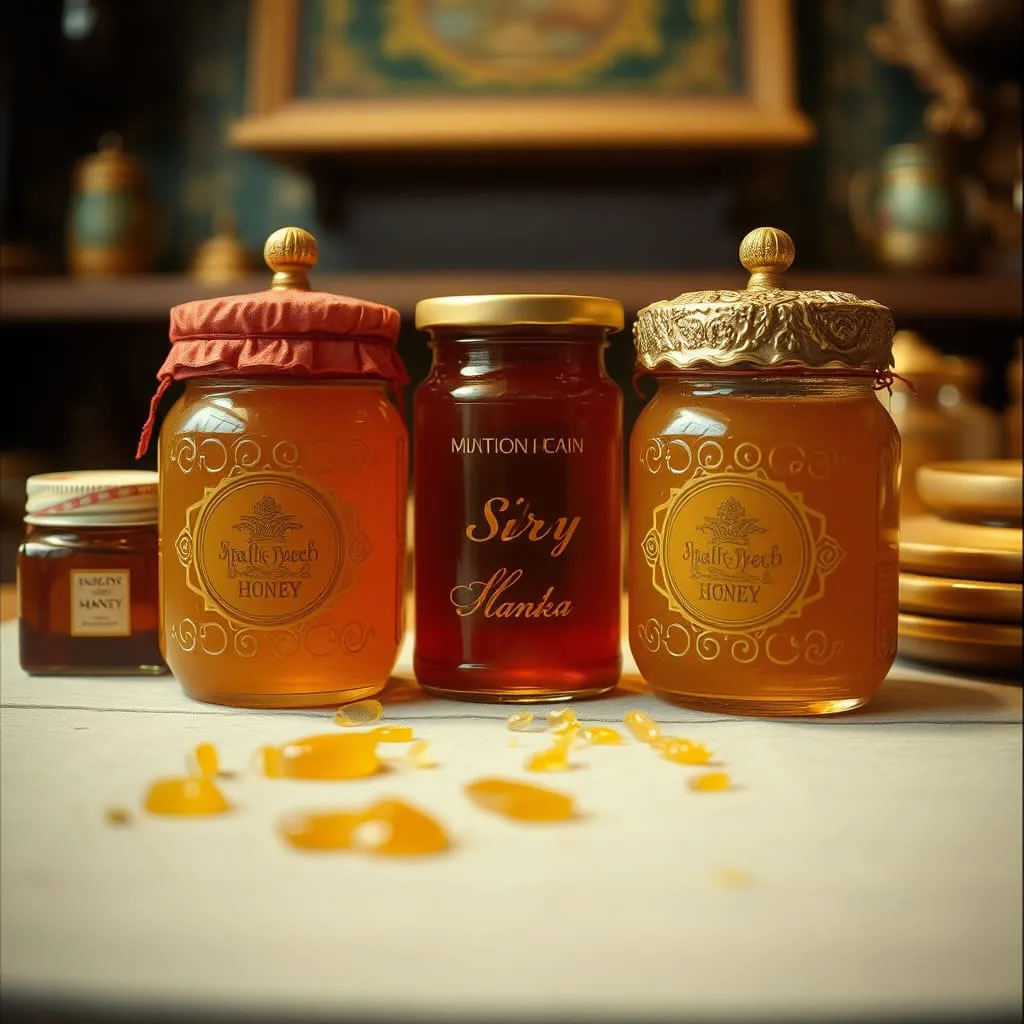 |
Different nectar sources create distinctive honey varieties. Rare varietals like Sidr honey from Yemen or Manuka honey from New Zealand can sell for over $200 per pound. |
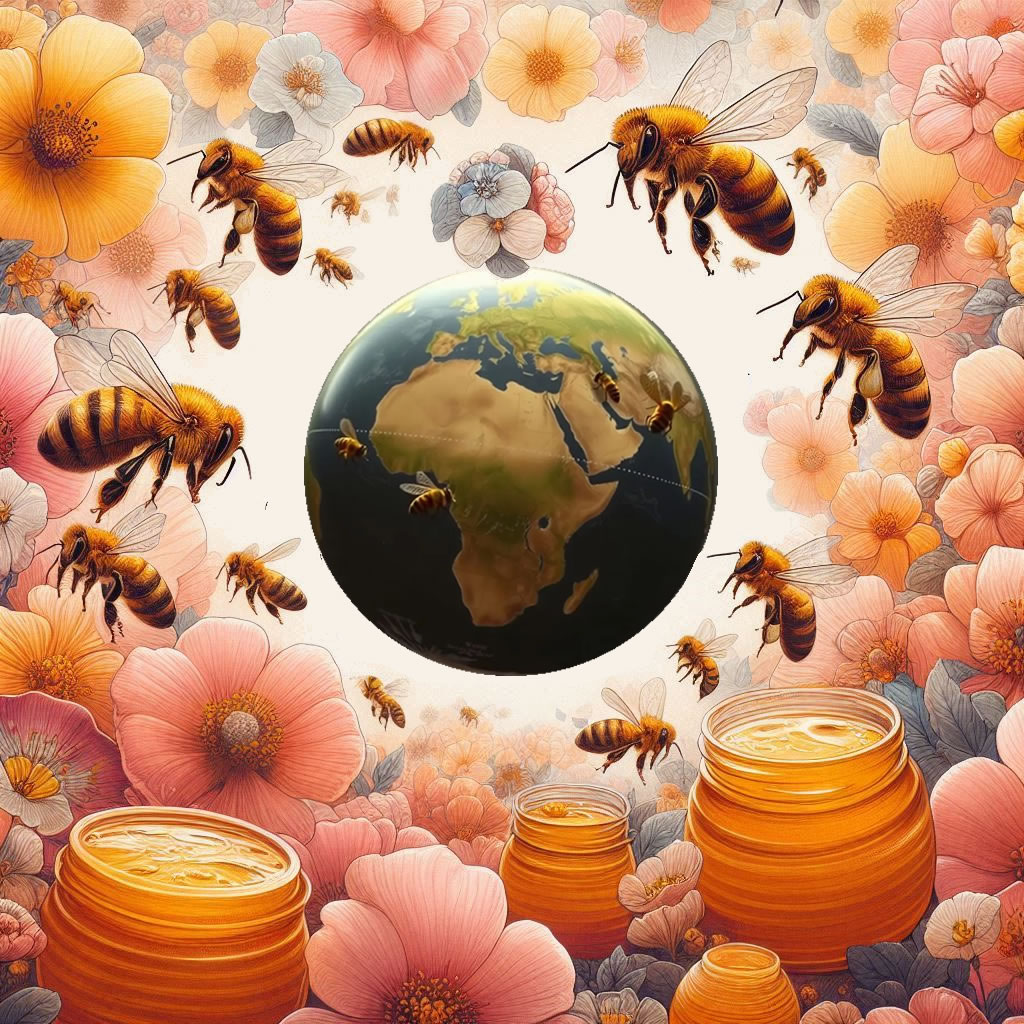
To produce one pound (0.45 kg) of honey, bees must visit approximately two million flowers and fly over 55,000 miles, equivalent to circling the Earth twice. |
 |
| |
|