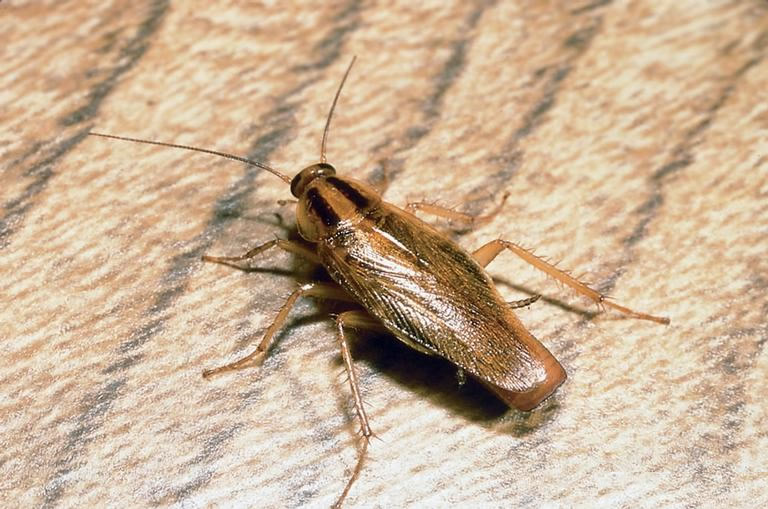
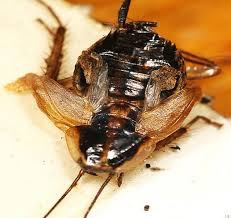
Insect growth regulators (IGRs), which mimic or disrupt the natural hormonal processes governing insect development, emerged from fundamental curiosity about insect biology and transformed into highly selective pest control tools. The transition from scientific discovery to practical application demonstrates how foundational research can yield unexpected technological innovations.
In the mid-20th century pioneering research into the endocrine system of insects led to groundbreaking discoveries about the hormones controlling insect development and metamorphosis. Such work identified juvenile hormone (JH), which maintains the juvenile state, and ecdysone, which triggers molting. This research laid the essential groundwork for understanding how insect development could be manipulated.
The discovery of juvenile hormone's structure in the 1960s marked a pivotal turning point. Researchers found that JH levels needed to decrease for insects to complete metamorphosis into adults. This insight suggested a novel approach to pest management: artificially maintaining JH levels could prevent insects from reaching reproductive maturity. Unlike conventional insecticides that targeted the nervous system, this approach exploited specific vulnerabilities in insect developmental biology.
By the late 1960s, researchers began synthesizing compounds that mimicked JH, called juvenile hormone analogs (JHAs). These compounds, including methoprene, hydroprene, and pyriproxyfen, were designed to mimic the action of natural JH. When exposed to these chemicals, immature insects failed to develop normally into reproductive adults, effectively halting population growth without immediate toxicity.
Simultaneously, another class of IGRs emerged: chitin synthesis inhibitors. These compounds, like diflubenzuron, interfered with the production of chitin, a key component of the insect exoskeleton. Research revealed that without proper chitin formation, insects could not successfully molt, leading to death during developmental transitions. This approach again leveraged specific aspects of insect biology rather than broad-spectrum toxicity.
The development of ecdysone agonists represented another breakthrough. Compounds like tebufenozide and methoxyfenozide were designed to mimic the action of ecdysone, triggering premature and lethal molting attempts. These discoveries stemmed directly from research into the fundamental mechanisms of ecdysone receptors and their role in orchestrating the precise timing of insect development.
The commercial development of IGRs in the 1970s and 1980s coincided with growing concerns about the environmental impacts of conventional insecticides. IGRs offered significant advantages: they were target-specific, affecting processes unique to arthropods; they showed low toxicity to mammals and birds; and they broke down relatively quickly in the environment, reducing residual impacts.
Field research demonstrated IGRs' effectiveness against numerous pest species while sparing beneficial insects. For mosquito control, methoprene became a valuable tool that could be applied to water bodies where larvae developed without harming fish or other aquatic organisms. In agricultural settings, IGRs proved effective against caterpillars, beetles, and other crop pests while preserving pollinator populations and natural enemies.
Perhaps most impressively, IGRs found applications in managing insect pests resistant to conventional insecticides. Since they operated through entirely different mechanisms, they circumvented existing resistance. This realization prompted researchers to integrate IGRs into integrated pest management (IPM) programs, where they became valuable rotation tools to prevent resistance development.
Beyond pest control, IGR research yielded important insights about insect biology itself. The molecular interactions between IGRs and their targets helped elucidate the complex signaling pathways governing insect development. This reciprocal relationship between applied and basic research continues today, with each field informing and advancing the other.
|