|
|
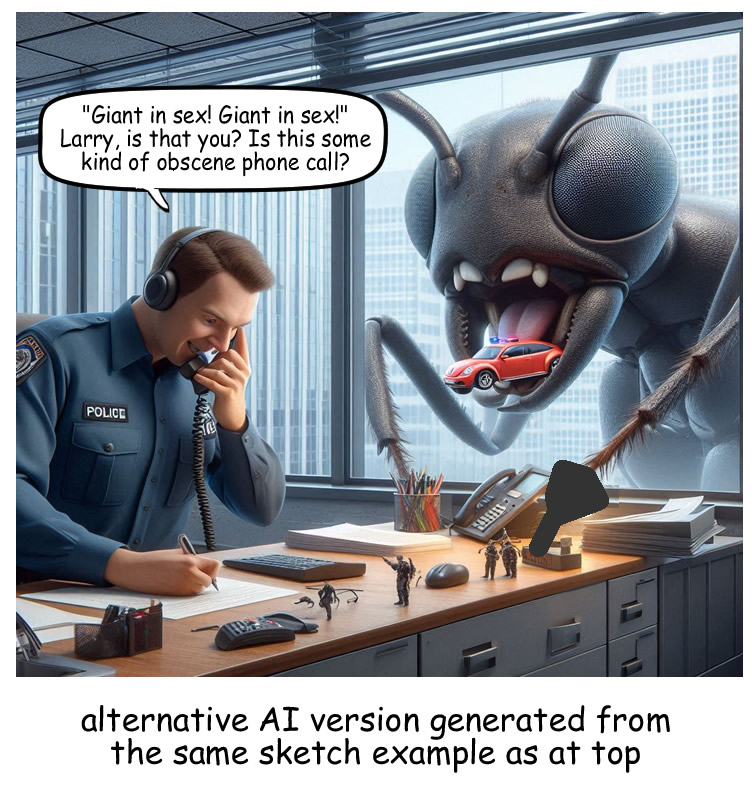 |
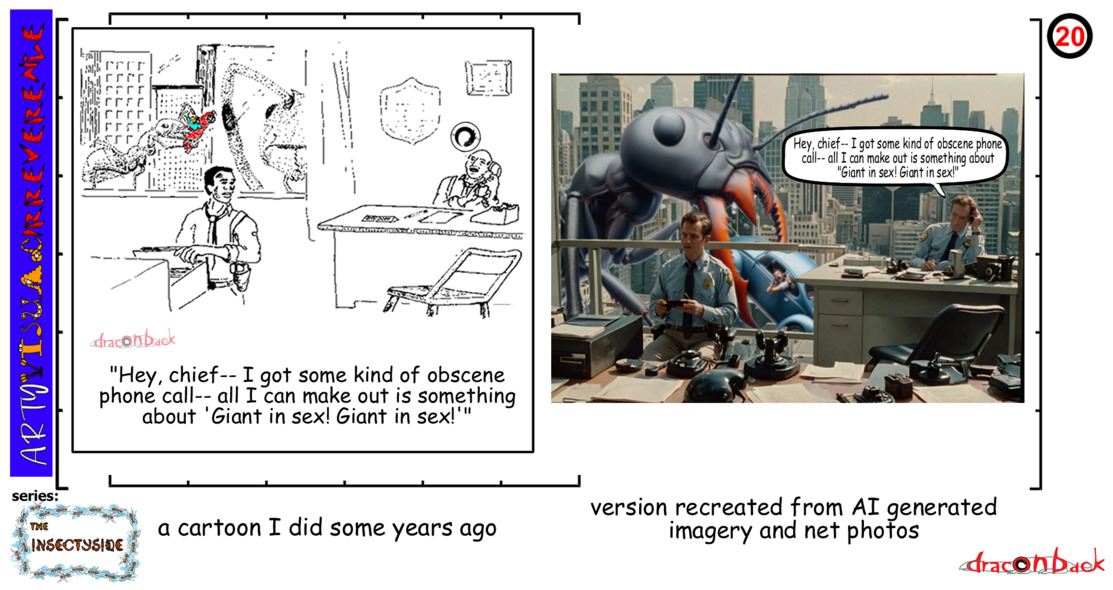
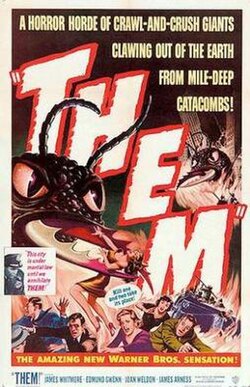
Plenty of science fiction films, especially those made in the 50's, utilized the concept of giant insects to inspire cinematic thrills and chills. "Them" (which featured giant ants), "Tarantula" (giant spider), "Mothra" (giant moth-- whew! so scary) and a host of other films involved monstrous, mutant, radioactive arthropods. Such invertebrate colossi would be hard pressed (literally!) to survive, let alone terrorize anyone: huge blow- up versions of standard arthropods would be crushed under their own weight and it is, in fact, the chitinous exoskeleton and tracheal respiratory system that limit the size of terrestrial arthropods.
|
| The most massive living insect is the Goliath beetle of Africa (Goliathus cacius) measuring up to six inches long and weighing in at a whopping 3.4 oz. or only about half the mass of a cup of water. |
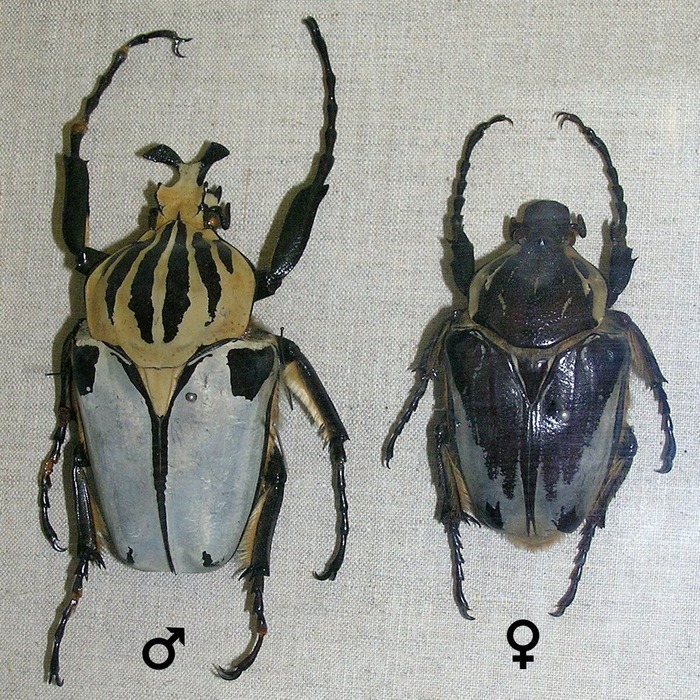 |
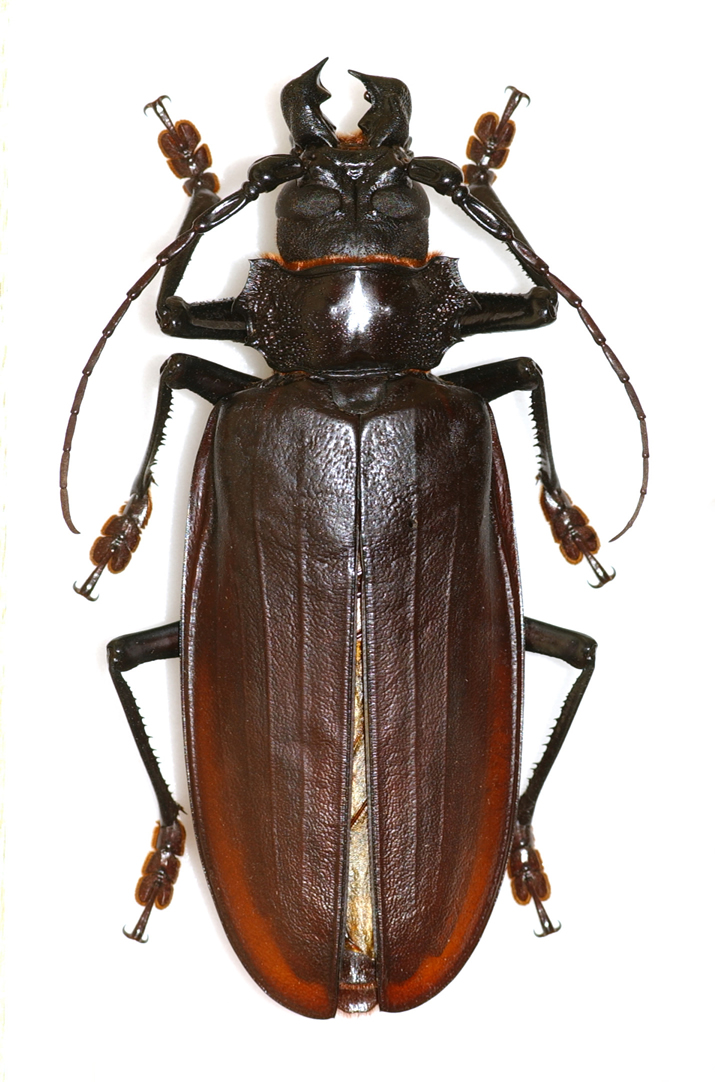 |
Other large insects include Titanus gigantus of the Amazon region (up to five inches long). |
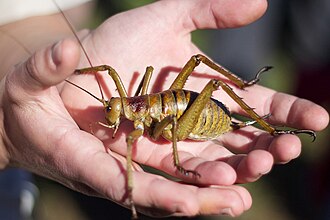
| The weta of New Zealand, Deinacrida heteracantha (a cricket-like insect about four inches long, tipping the scales at 2.5 oz.). |
|
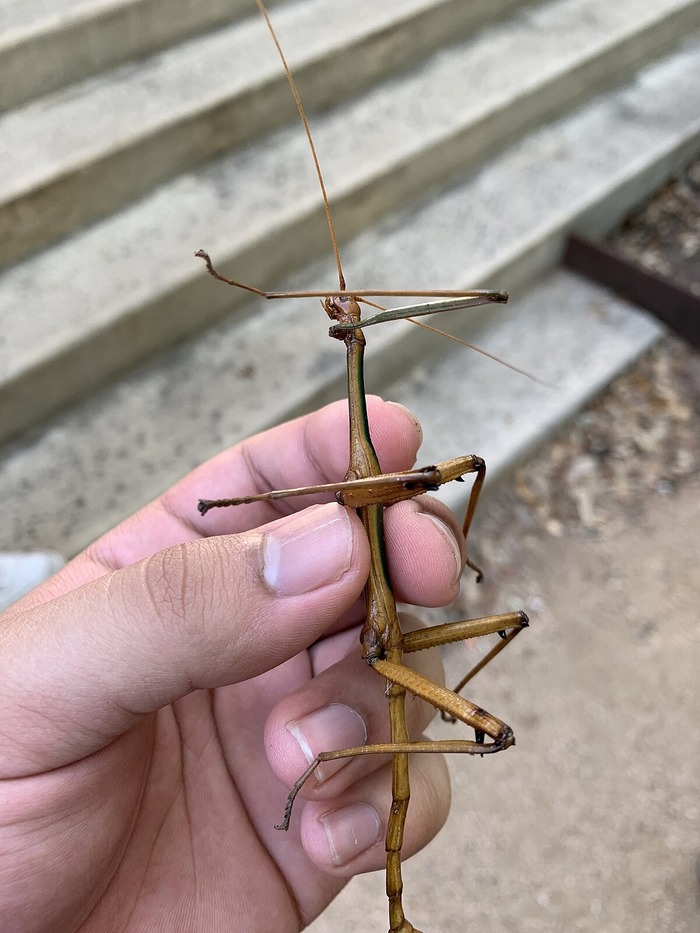 |
Megaphasma dentricus, a walking stick which reaches a length of seven inches (making it the longest insect in the United States) is dwarfed by its tropical relatives nearly twice as long. |
| The largest insect of all times was probably Meganeura a dragonfly-like insect of the Carboniferous age (about 320 million years ago). With a thirty-inch wingspan this buzzing behemoth was only about the same size as the colorful chinese kites that depict dragonflies and butterflies. Nonetheless, this is a far cry from the car-crunching mutants of the movies. |
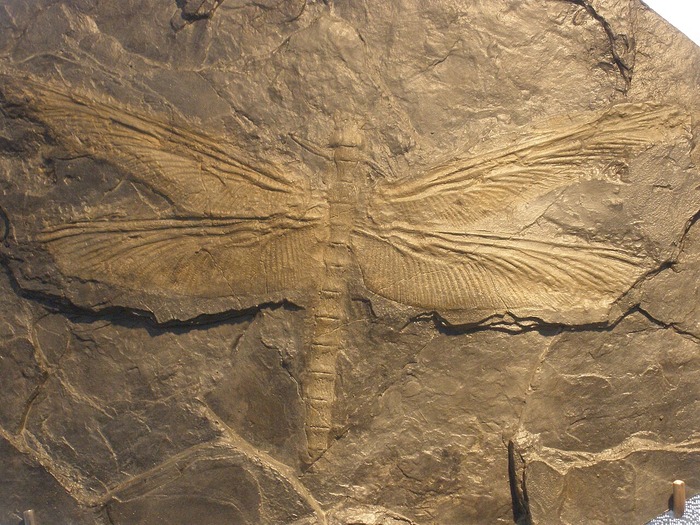 |
Many large insects have apodemes, intrusions of the cuticle which anchor muscles and help keep the exoskeleton from caving in. However, as they lack sufficient internal strutting, insects are limited in their ability to support the relatively great weight of their chitinous armor. In addition, the tracheal breathing passages of insects are only efficient at exchanging gasses to tissues up to 1mm away-- so big insects have to carry around a lot of empty space (extensive breathing passages) that can contribute to the problem of implosion.
|
It has been proposed (and refuted) that the oxygen content of the atmosphere has decreased since the ancient past-- prohibiting the monstrous sizes once attained by creatures at least superficially similar to those alive today. Ancient insects could, perhaps, get away with being bigger because the alleged higher vapor pressure of oxygen, way back when, permitted the gas to more easily diffuse into the insects tissue. Alternatively, the reason there are no extant insects as large as Meganeura may be that, as they basked in the sun each morning waiting for their flight muscles to reach temperatures permitting flight to commence, they would make easy prey for warm blooded predators such as birds and mammals. Of course, all these physical and chemical properties are limitations of normal chitin-- no one has ever gotten close enough, long enough to "Them" to see what's different about that giant, mutant radioactive chitin... |
|
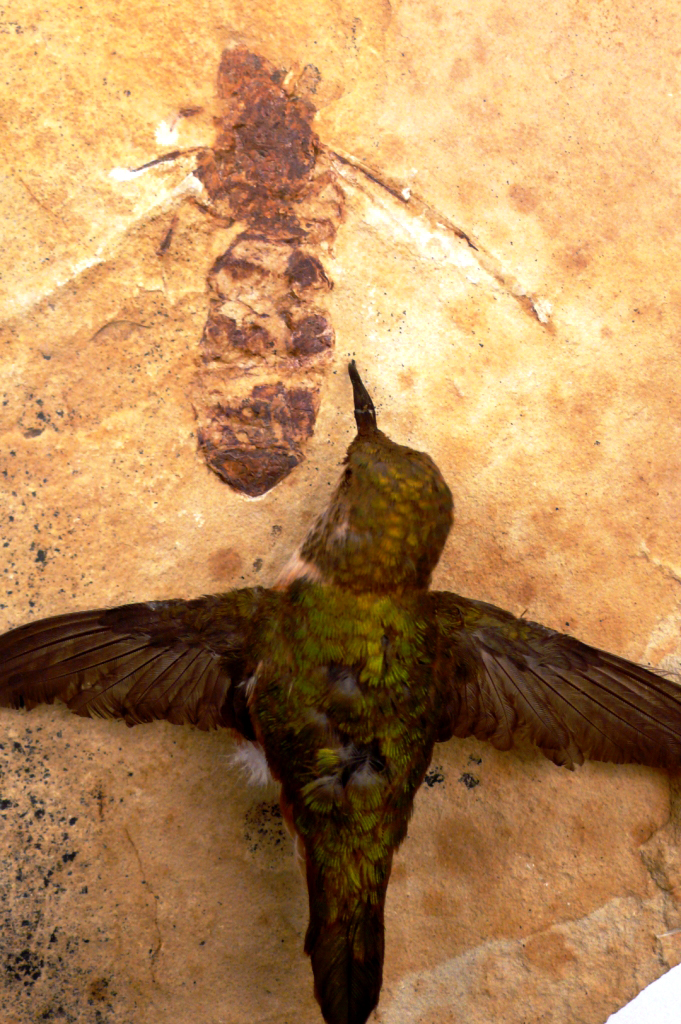 |
The largest known ant species is the fossil Titanomyrma giganteum, measuring over 2.4 inches (6 cm) long, comparable to the size of modern hummingbirds. |
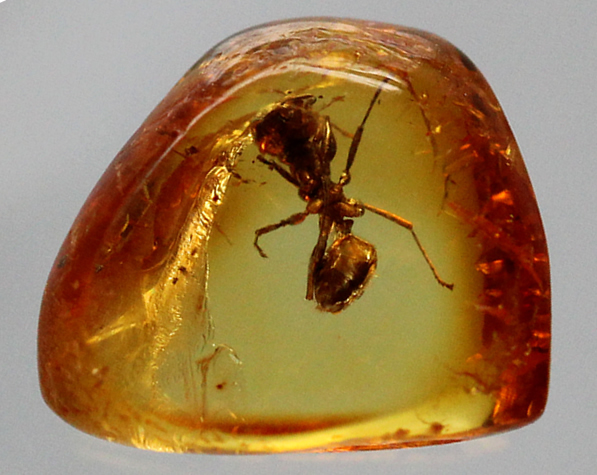
Ants evolved from wasp-like ancestors during the Cretaceous period, with the oldest definitively identified ant fossil dating back about 99 million years, preserved in amber from Myanmar-- such as this specimen which is "only" 50 million years old. |
 |
|
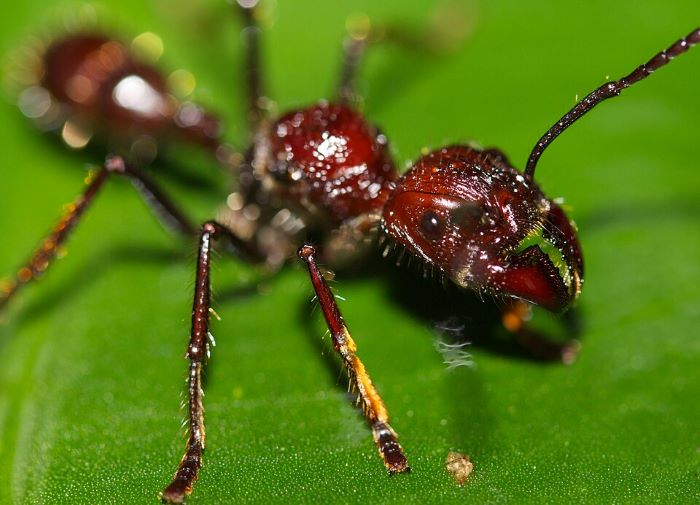
Bullet ants, such as Paraponera clavata, of South America produce a sting so painful that some indigenous cultures use it in manhood initiation rituals. Among living species, they produce some of the largest common worker ants at about 1.2 inches (3 cm). |
Ants, comprising over 16,000 known species, represent one of Earth's most successful evolutionary stories. Their social structure, division of labor, and collective intelligence have allowed them to conize nearly every terrestrial ecosystem on the planet,ol excepting the continent of Antarctica and a few remote islands. |
|
|
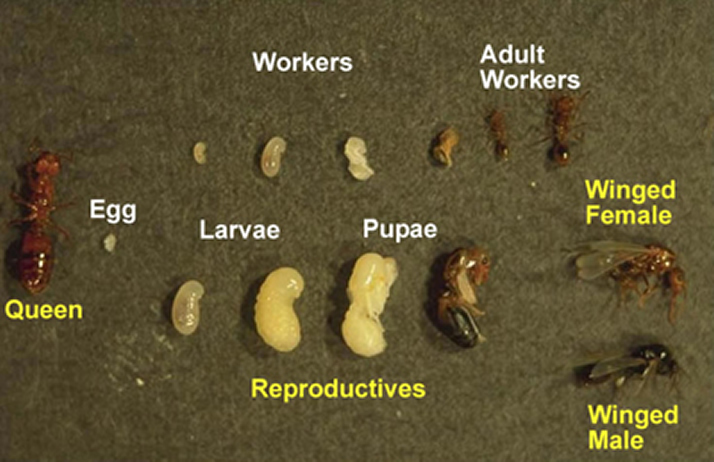
The ants, like other members of the order Hymenoptera, exhibit complete metamorphosis with four major life stages, egg, larva, pupa and adult. Most colonies feature several distinct castes that include a reproductive queen (sometimes several), whose sole purpose is to produce offspring and sterile female workers that perform tasks from nursing to foraging to colony defense. Males typically serve only to mate with queens, after which they promptly die. |
The organizational prowess of ants rivals our most sophisticated human systems. Each colony operates as a superorganism—a collective entity where individual members function like cells in a larger body. When selecting new nest sites, certain ant species like Temnothorax albipennis use a form of "quorum sensing" that closely resembles mathematical algorithms used in artificial intelligence. They make collective decisions through distributed assessment that is remarkably error-resistant. |
|
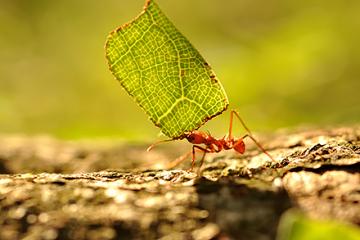 |
This rigid caste system enables remarkable efficiency. Consider leaf-cutter ants, which harvest vegetation not for direct consumption, but to cultivate fungal gardens that serve as their actual food source. This agricultural practice predates human farming by millions of years. |
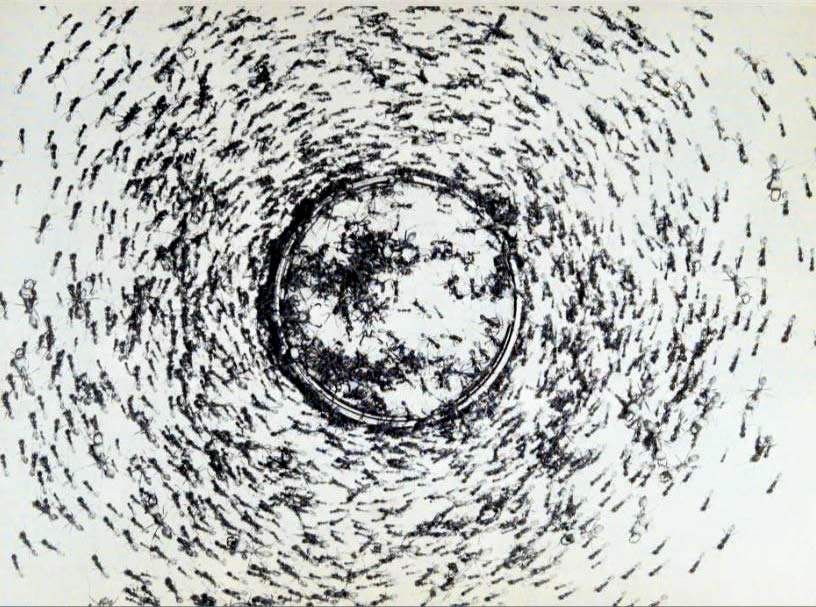
| Communication underpins ant society. Using chemical pheromones, touch, and sometimes sound, ants create complex information networks. When a forager discovers food, she lays a scent trail back to the nest, recruiting nestmates who reinforce successful paths with additional pheromones. This simple feedback mechanism creates efficient transportation routes that mathematicians have used to inspire optimization algorithms for human logistics and telecommunications networks. But it can also leads to the dynamic that causes ants whose pheromone trail has been interrupted by a petrie dish to circle around the dish endlessly until they perish. |
|
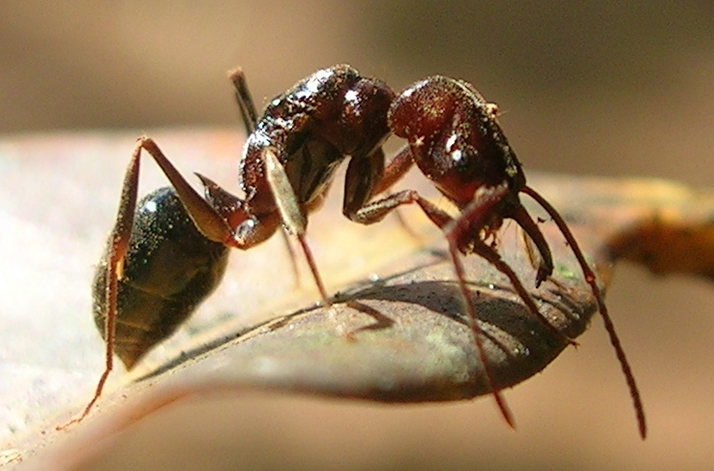 |
Evolutionary success has led to specialized adaptations across species. Trap-jaw ants, such as Odontomachus wynaad, possess mandibles that snap shut at speeds exceeding 140 mph—among the fastest known animal movements. |
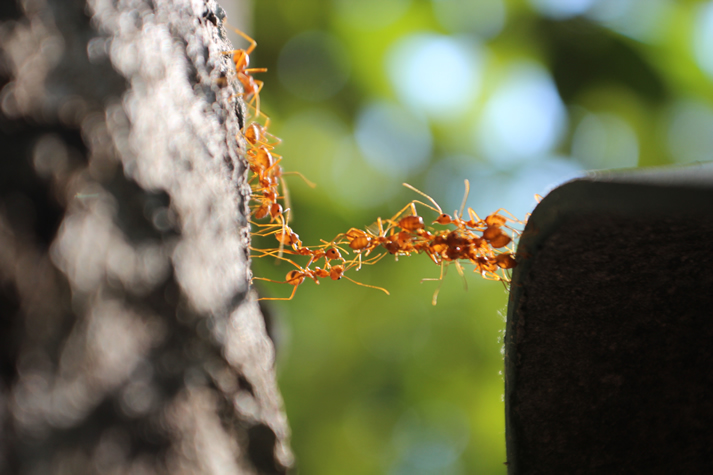
Other species, like army ants, form living architectures with their bodies—bridges, rafts, and temporary shelters—demonstrating collective problem-solving that engineers still study today. |
|
|
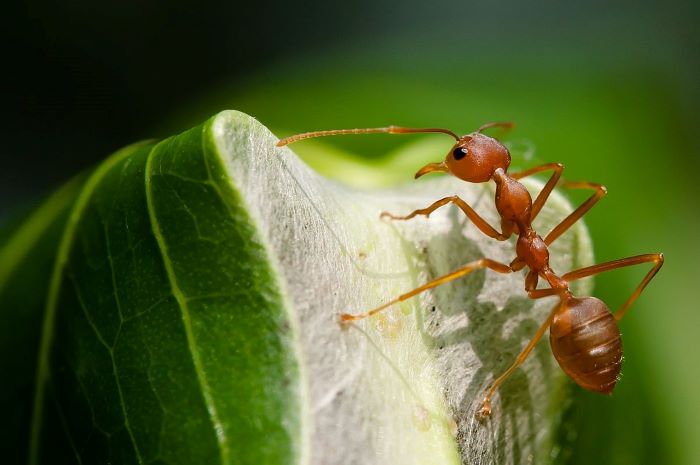
Weaver ants of the genus Oecophylla constuct nests by folding and silking together the edges of leaves, a construction method shared by some caterpillars and solitary bees. This species of ant is able to lift objects up to 100 times its weight. Proportionally, this would be equivalent to a human lifting a 10-ton truck. |
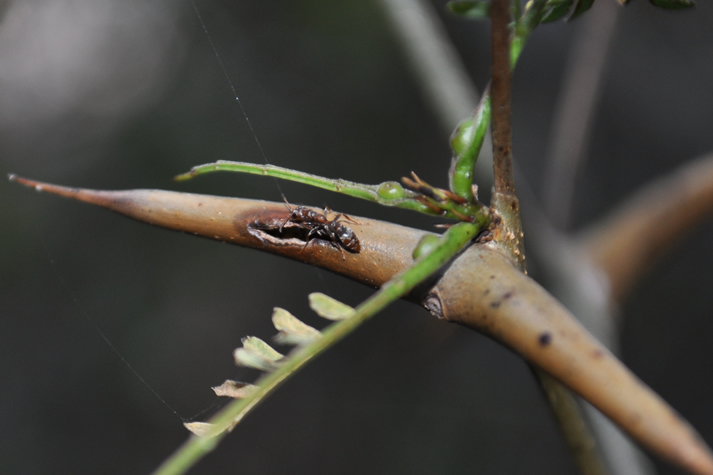
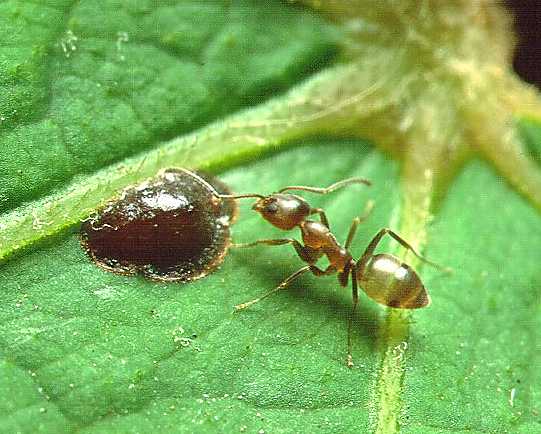
The ecological impact of ants is profound. As soil engineers, they aerate terrain, redistribute nutrients, and disperse seeds. In many ecosystems, they regulate populations of other insects through predation. Some species form symbiotic relationships with plants, such as those that nest in the enlarged thorns of certain Acacia species, receiving shelter while providing protection against herbivores |
|
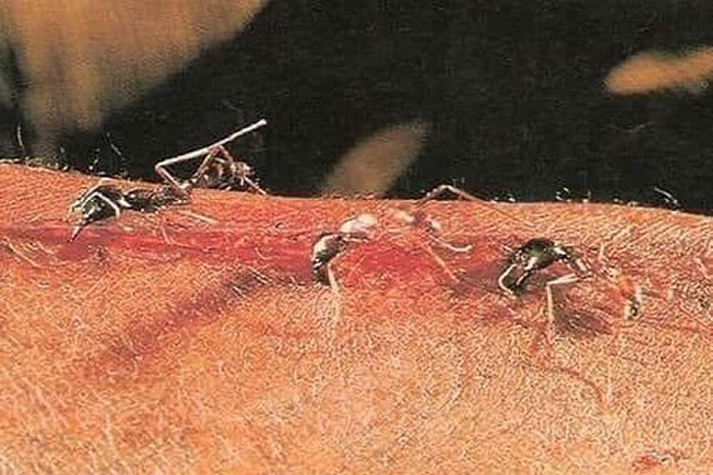 |
Some cultures positioned ants across wounds, induced them to bite, then twisted the heads off to form sutures to keep cuts closed. |
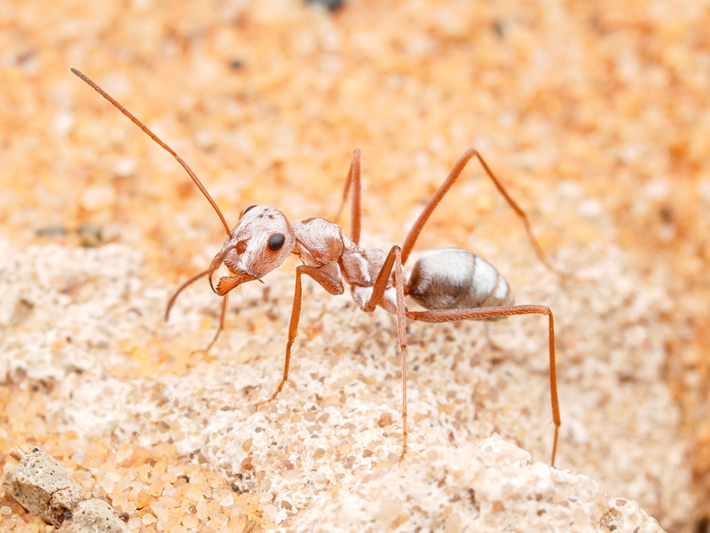
Cataglyphis bombycina has evolved silvery hairs that reflect sunlight, preventing overheating in its Saharan Desert homelands. |
|
|
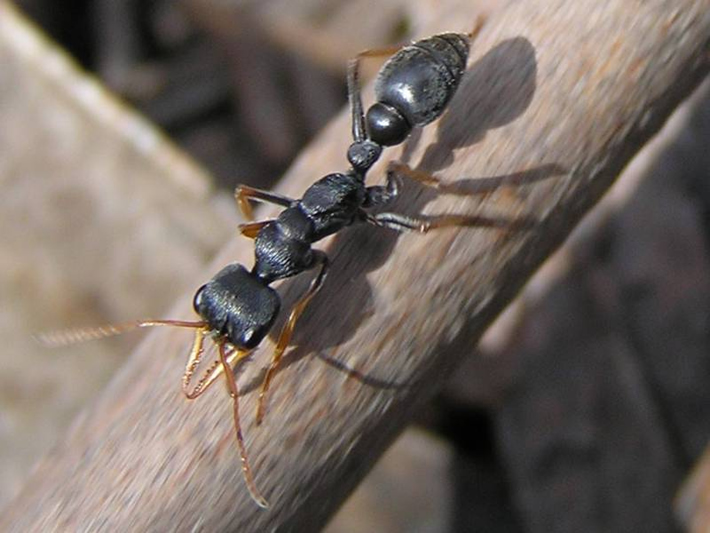
Australian jack-jumper ants, Myrmecia pilosula,can leap several inches when threatened. |
|
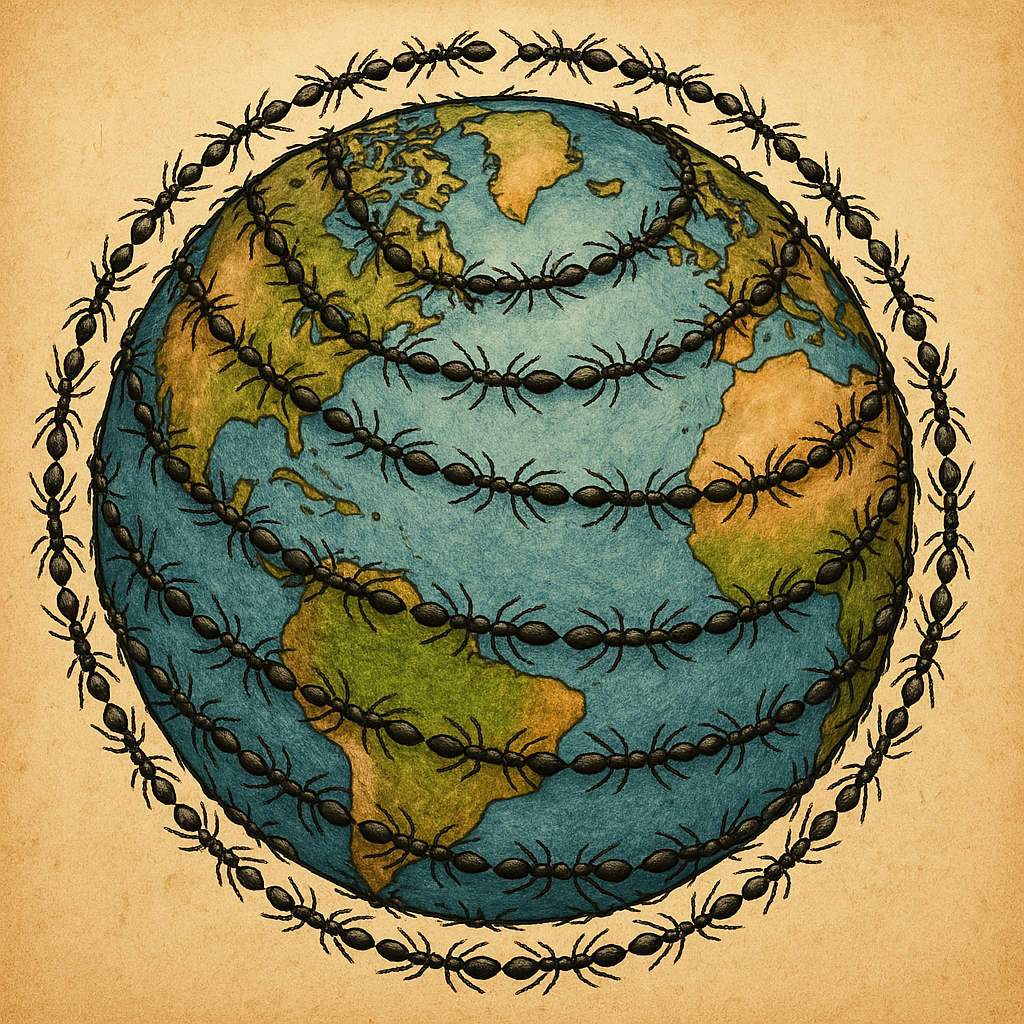
Despite their ecological importance, many ant species face threats from habitat destruction, climate change, and invasive species introduction. Ironically, some of the most successful ants today are invasive species inadvertently transported by humans, disrupting native ecosystems worldwide.The largest discovered ant supercolony is that of one such species, Argentine ants (Linepithema humile), that has been inadvertently introduced by human activities to areas well beyond its native range. The colony stretches along the Mediterranean coast for 3,700 miles (6,000 km), from northern Italy through southern France to the Spanish coast. This interconnected network contains billions of individuals that recognize each other as nestmates. It is even argued that this colony may be part of a global megacolony spanning the entire globe, comprised of ants closely enough related to be considered nestmates. |
|
| |
|
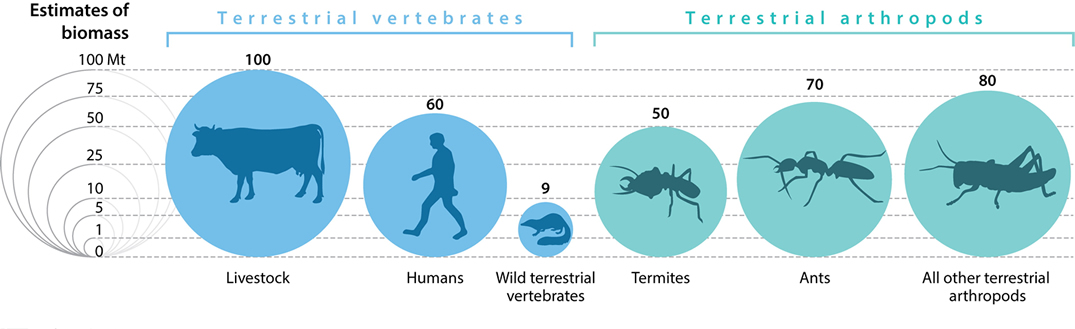 |
The combined biomass of all ants rivals or exceeds that of humans, highlighting their cumulative influence on global ecosystems. |
| |
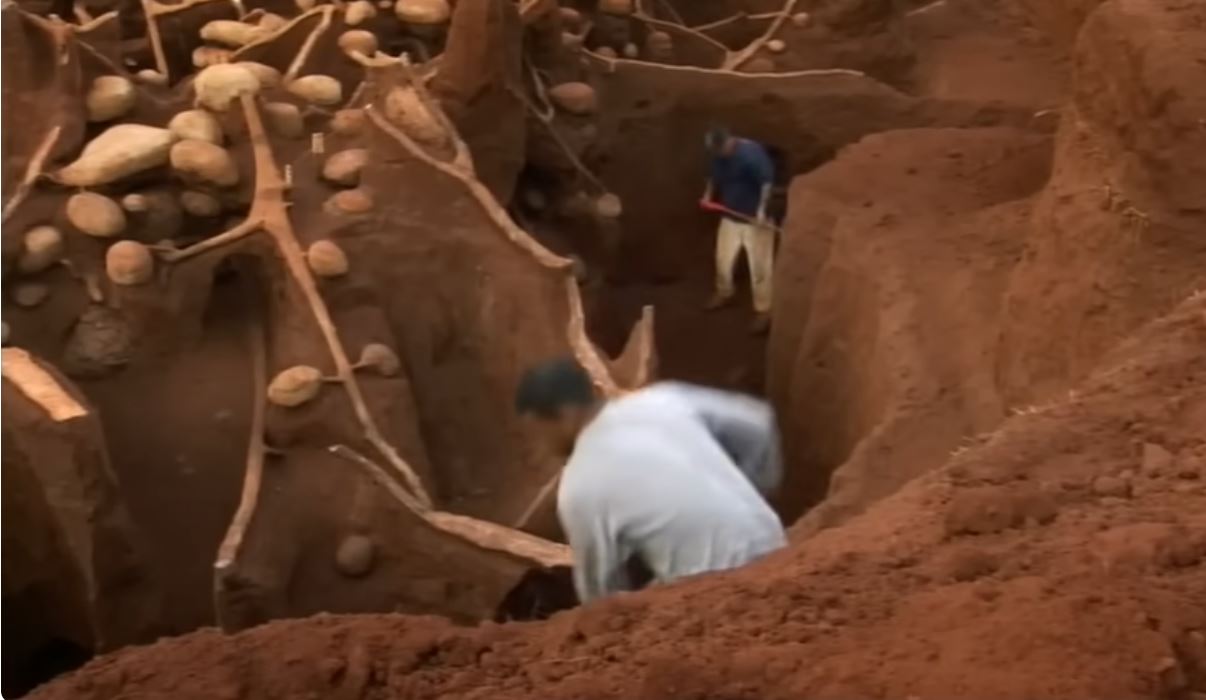
Casts (as opposed to castes) of ant colonies can be made by a process typically involving pouring cement, plaster, or another hardening material into the ant colony's tunnels and chambers. |
|
|
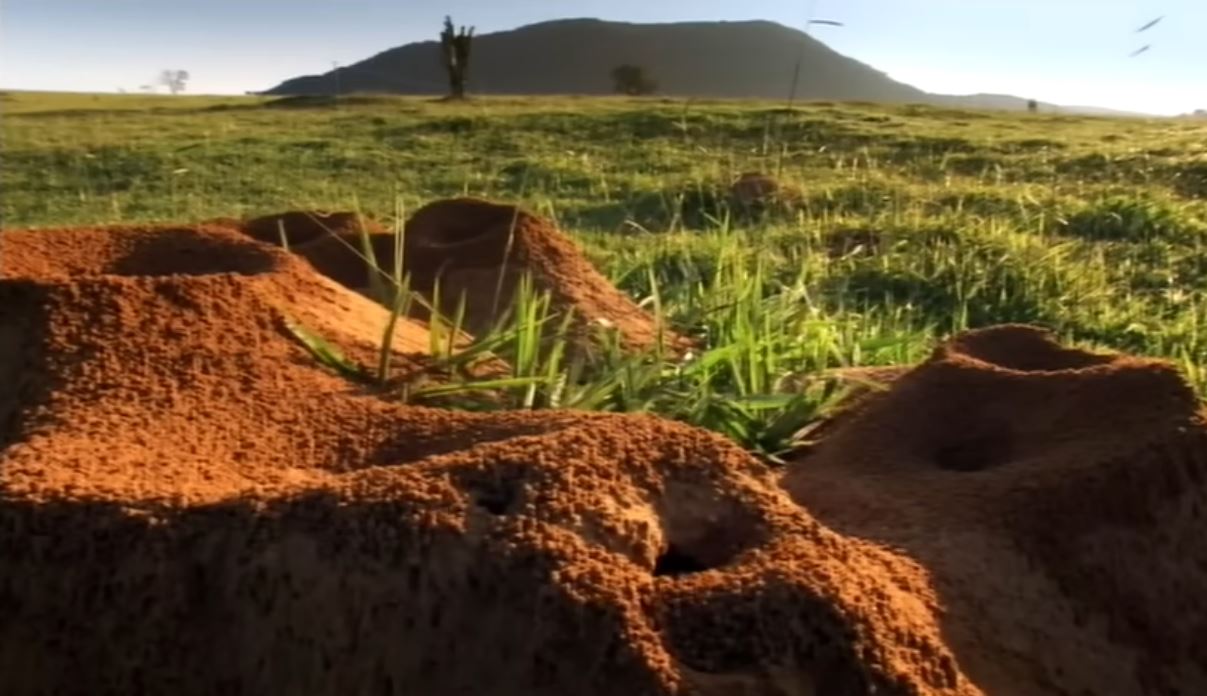
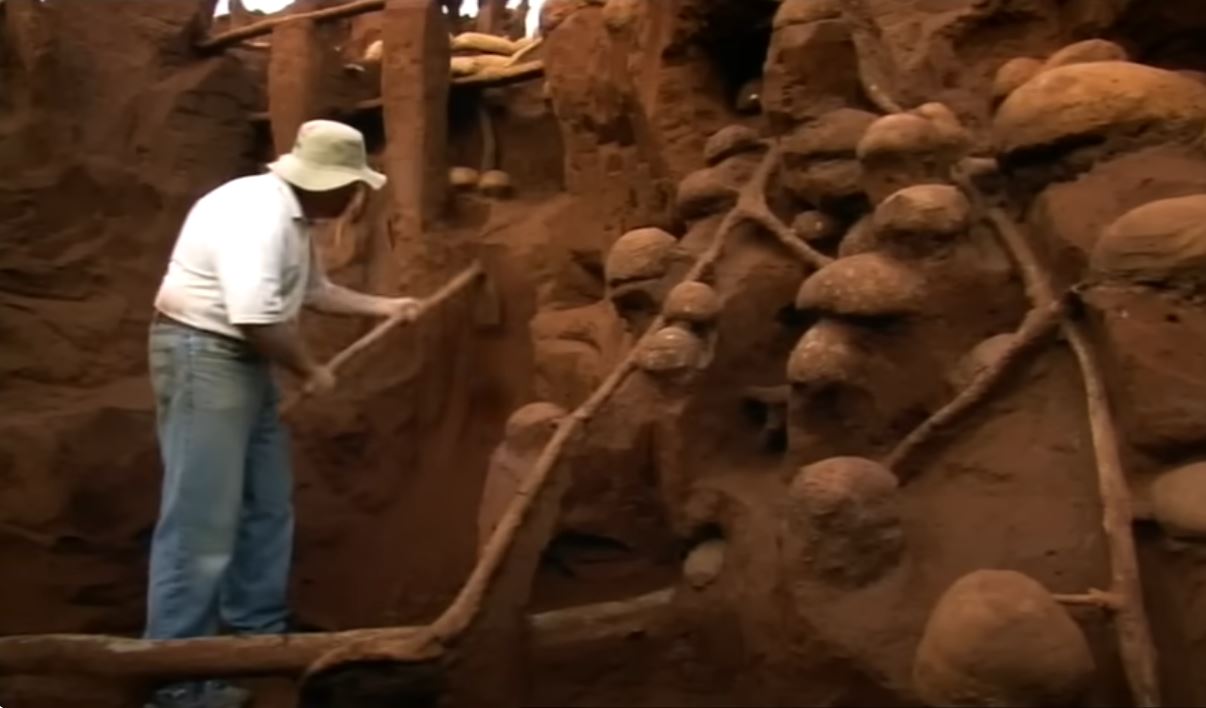
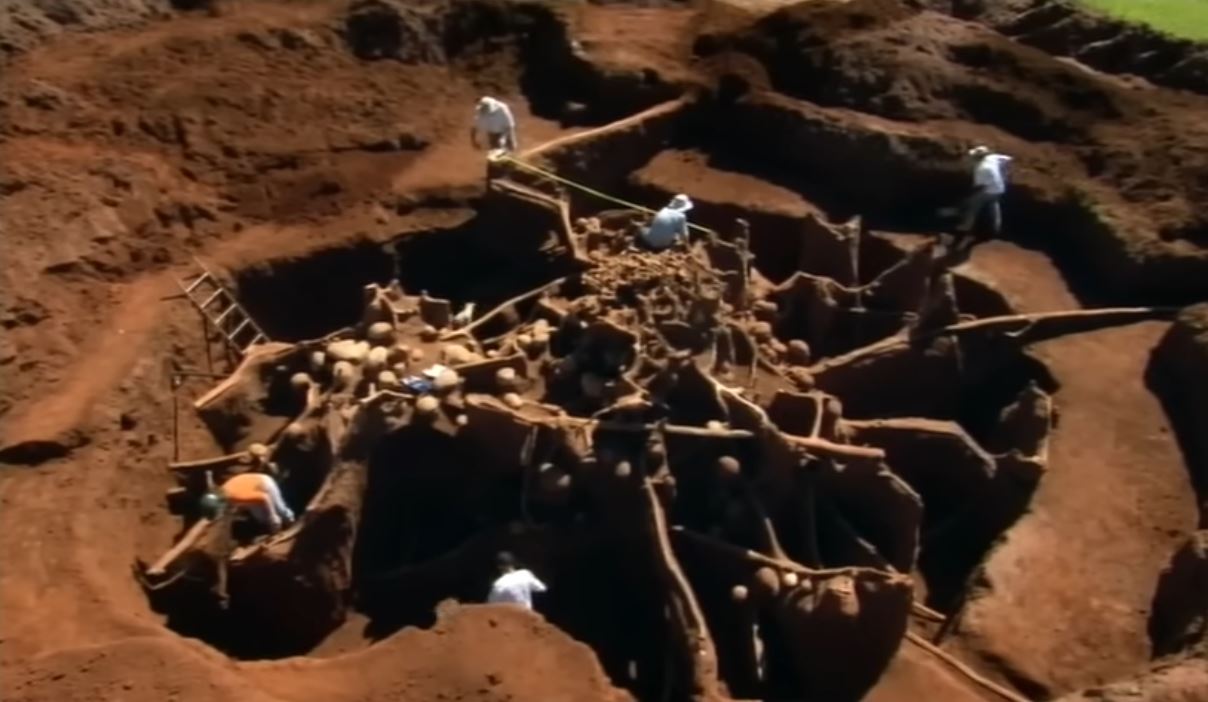
Once hardened, the surrounding soil is carefully removed to reveal the intricate three-dimensional structure of the colony.The largest ant nest casting in the world was made from the nest of a Brazilian leaf-cutter ant colony belonging to the species Atta cephalotes. |
Leaf-cutter ants are especially known for their complex social structure and the sophisticated engineering of their nests, which include specialized chambers for different purposes like fungus cultivation, waste disposal, and brood rearing. |
|
|
The Atta cephalotes casting revealed multiple chambers connected by tunnels that extended several meters below the surface and covered a significant area, highlighting the incredible complexity and scale of their societies.
|
| |
|