AI-assisted comic creations by 

|
|
AI-assisted comic creations by |
|
|
|
|
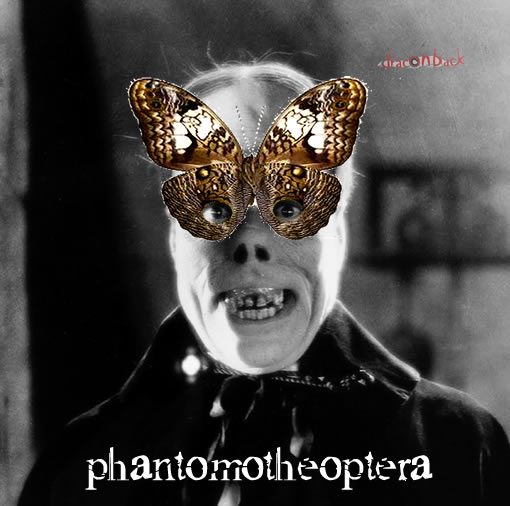
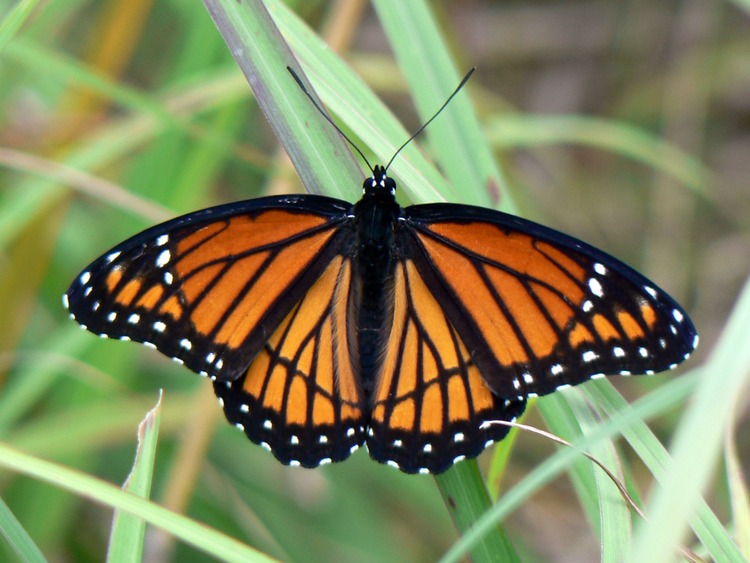
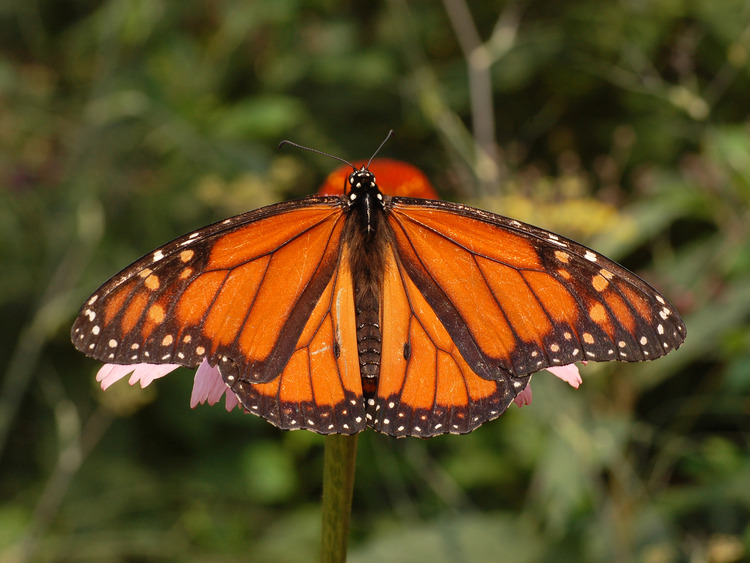
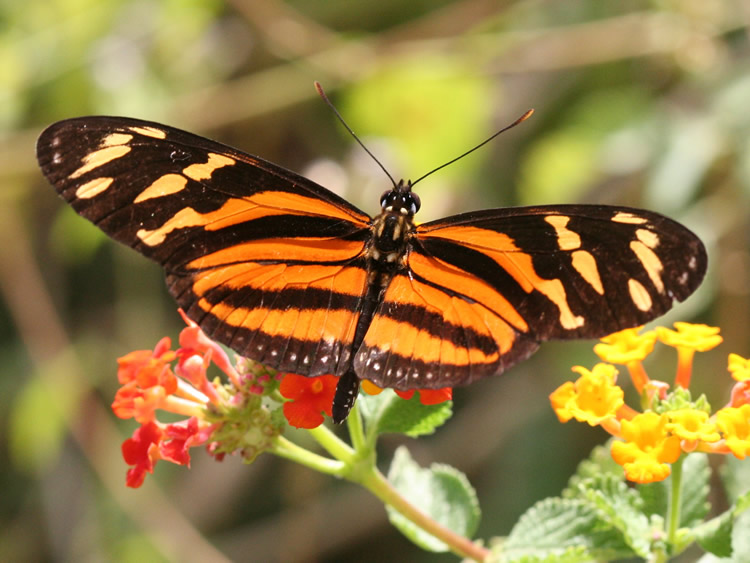
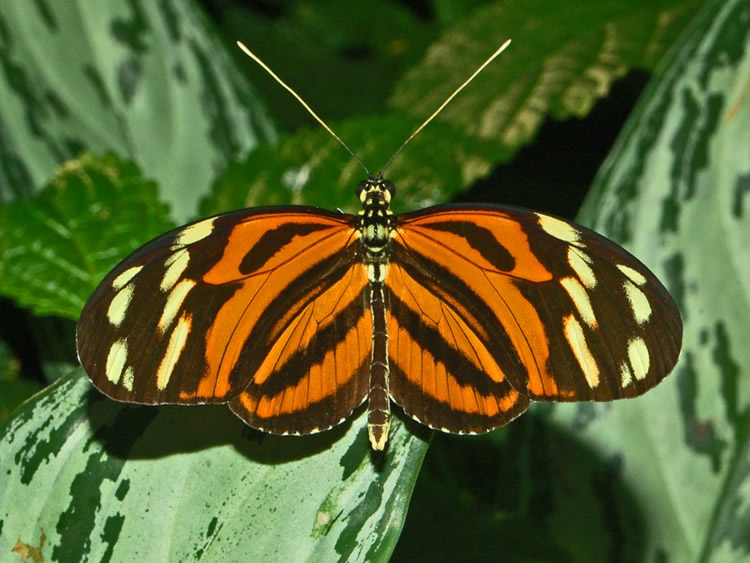
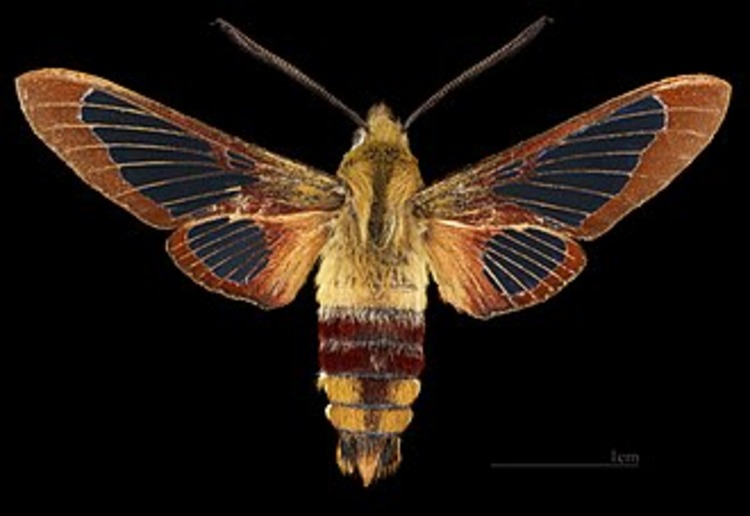
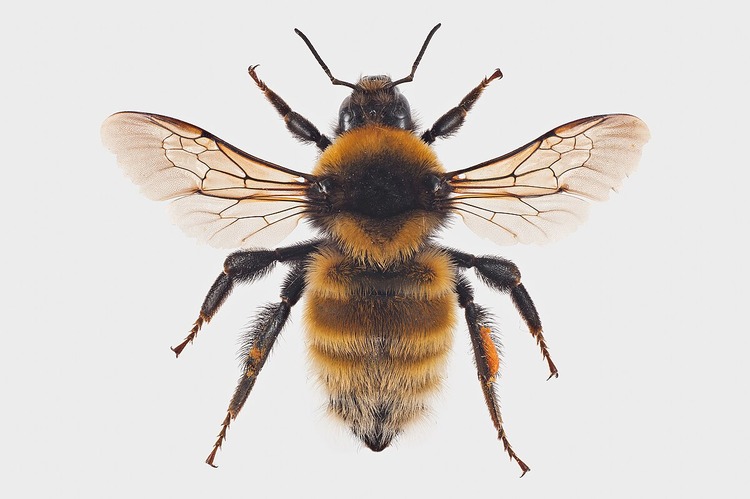
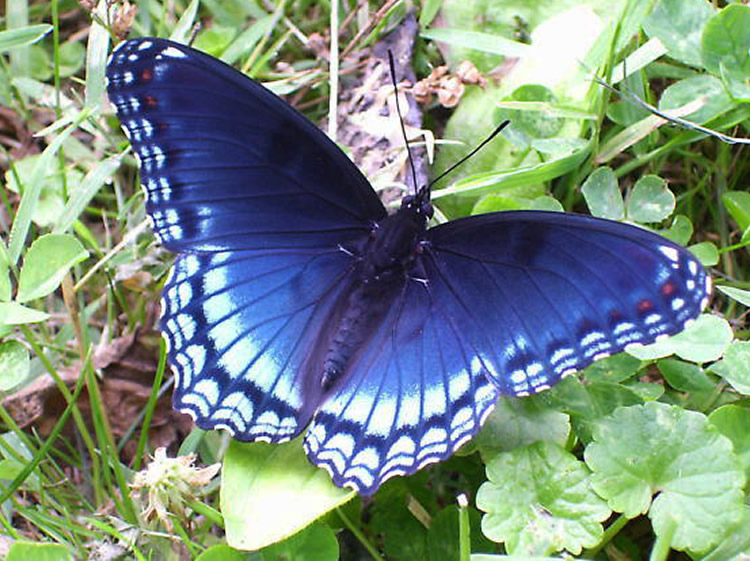
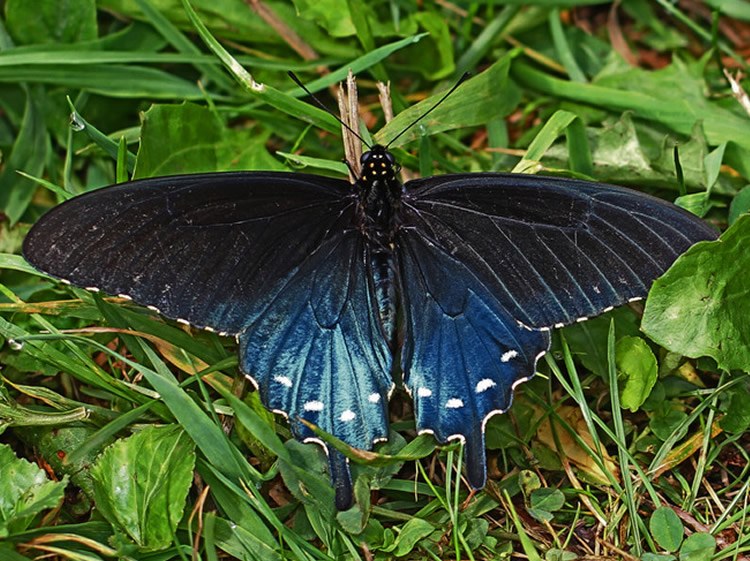
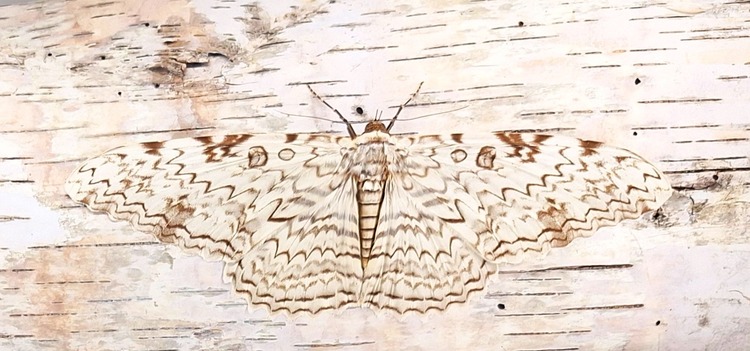
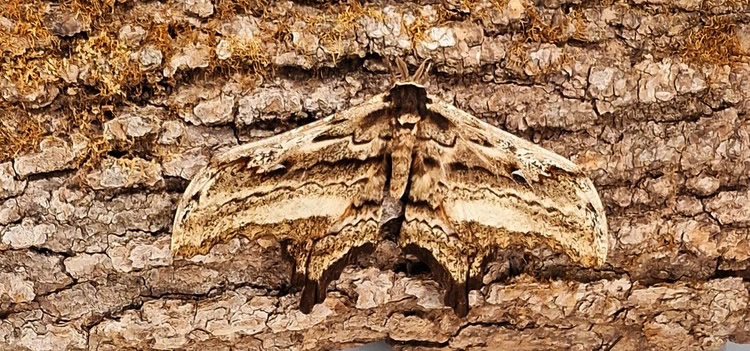
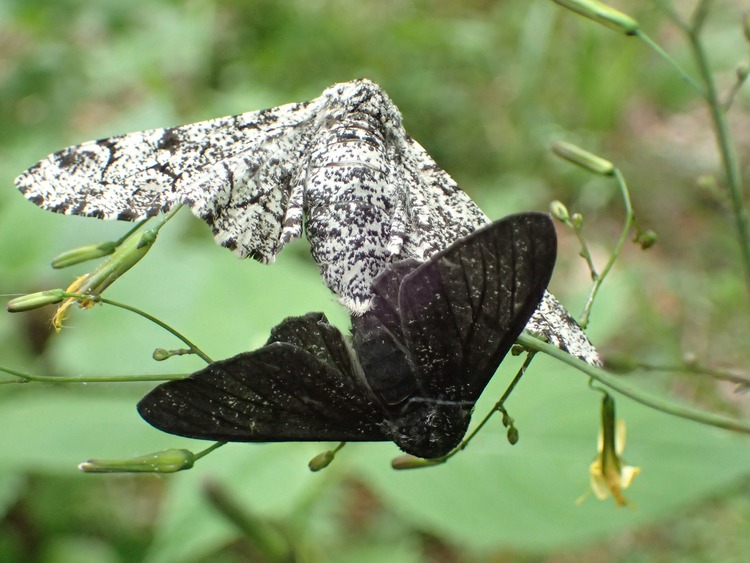
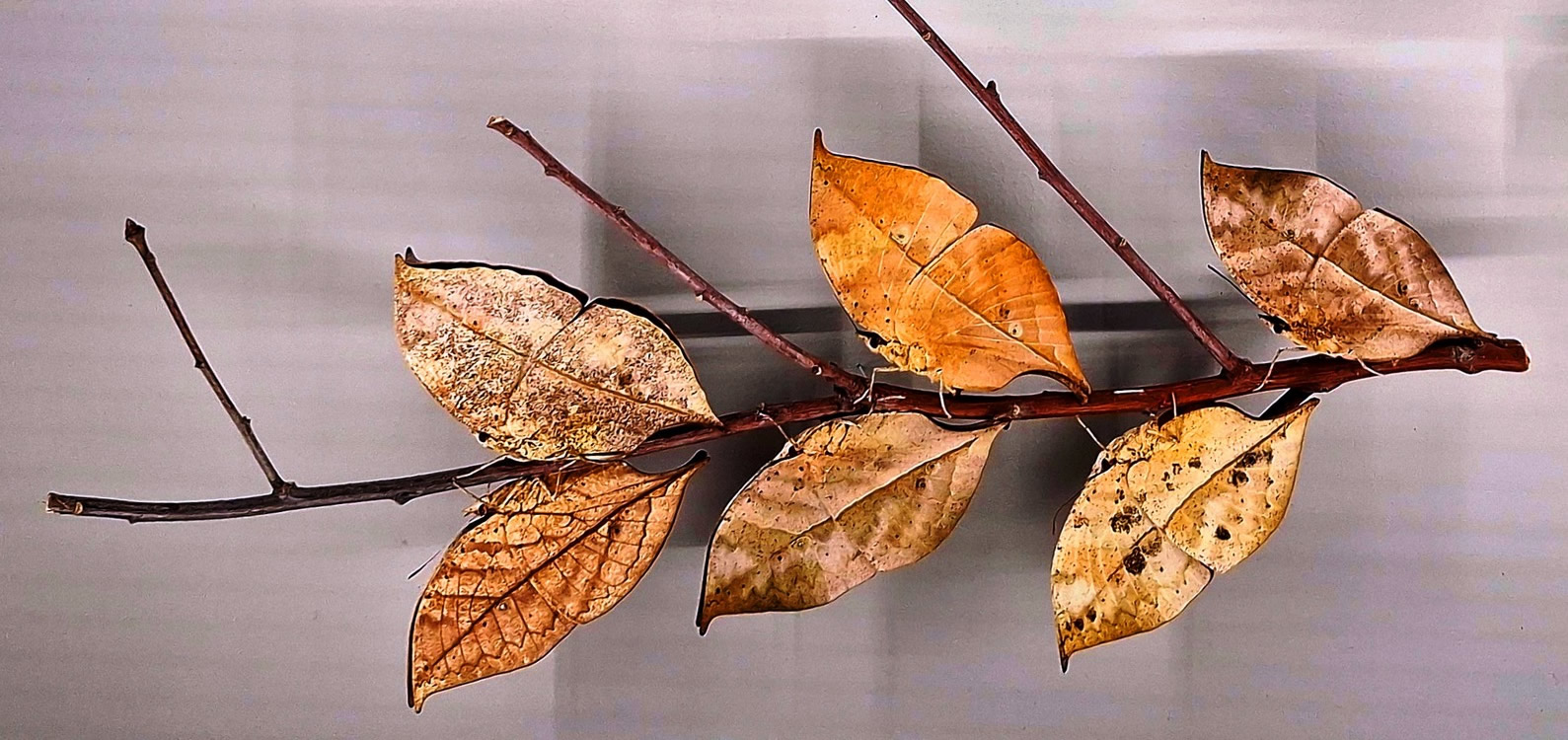
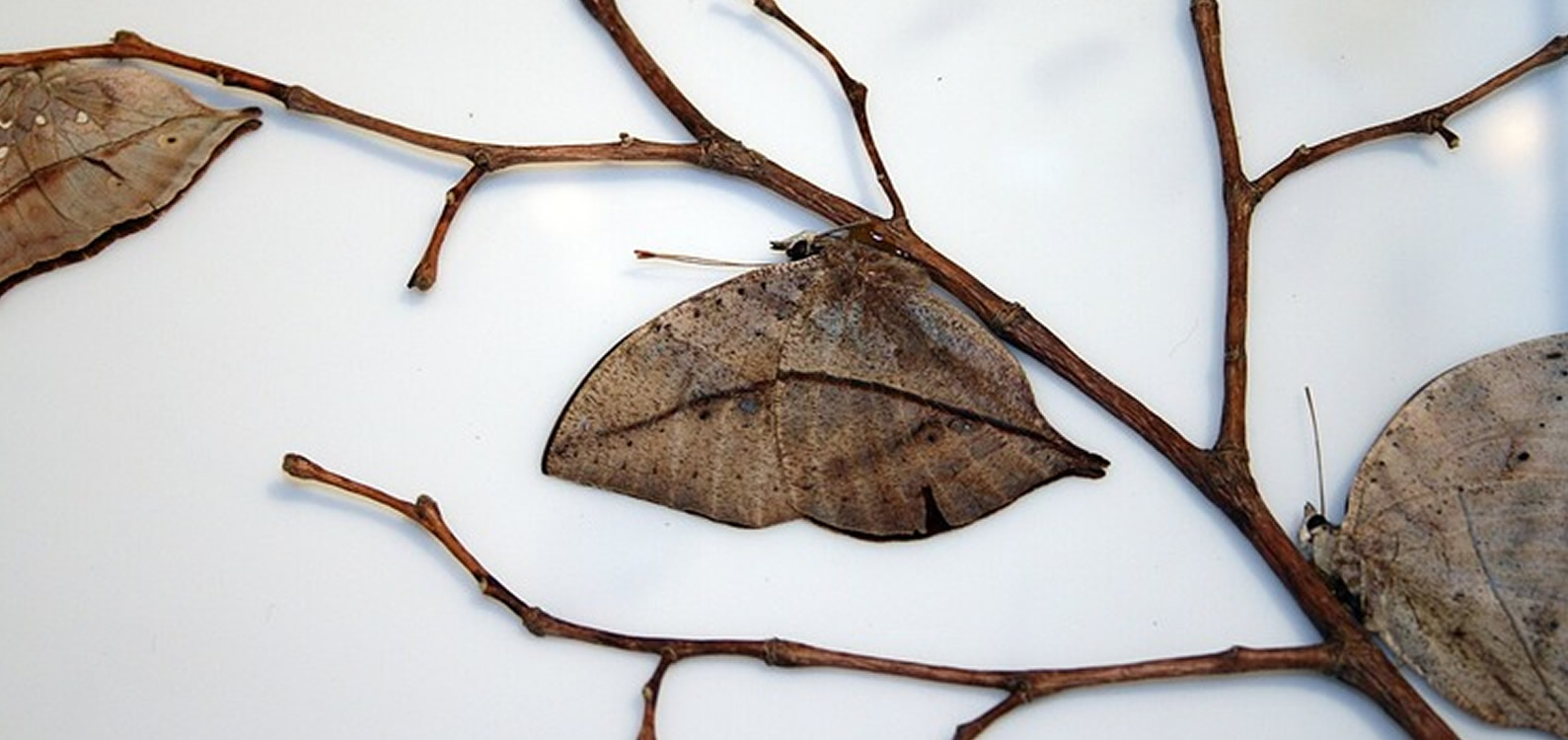
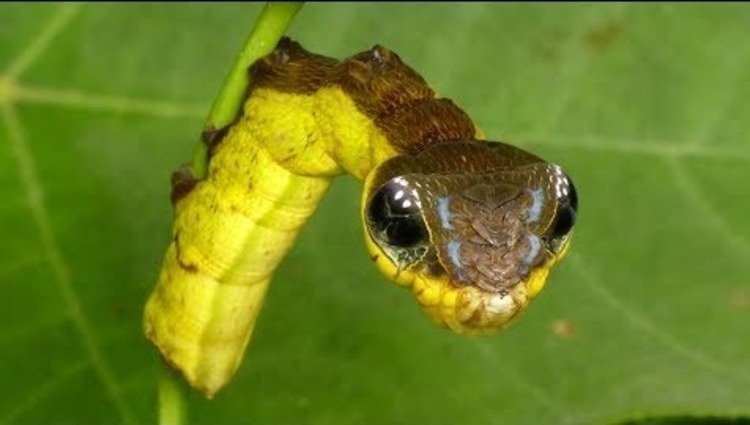
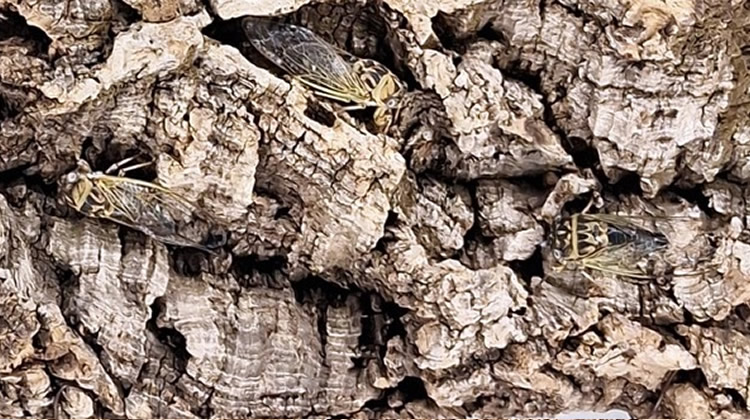
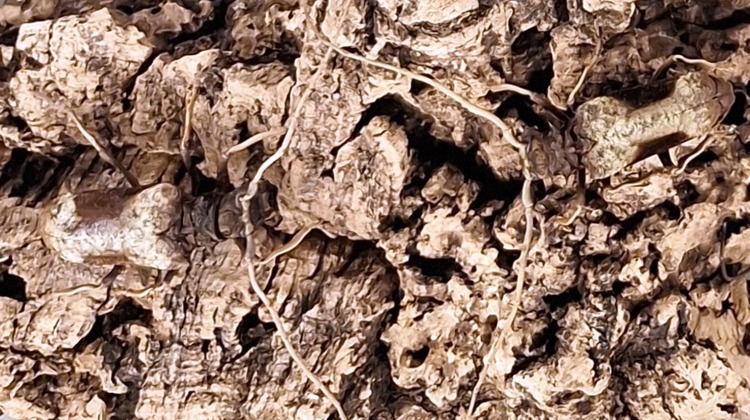
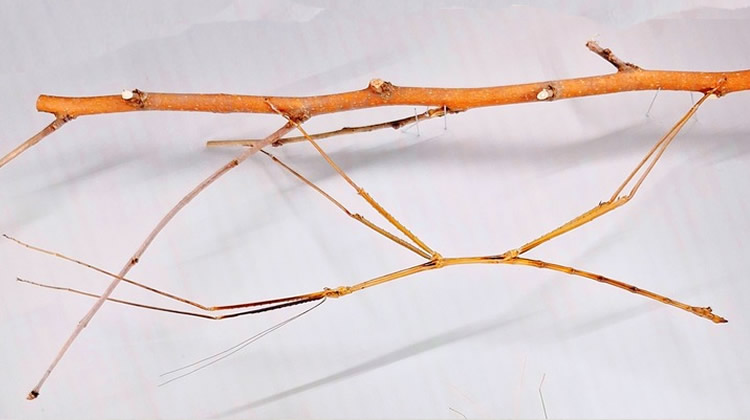
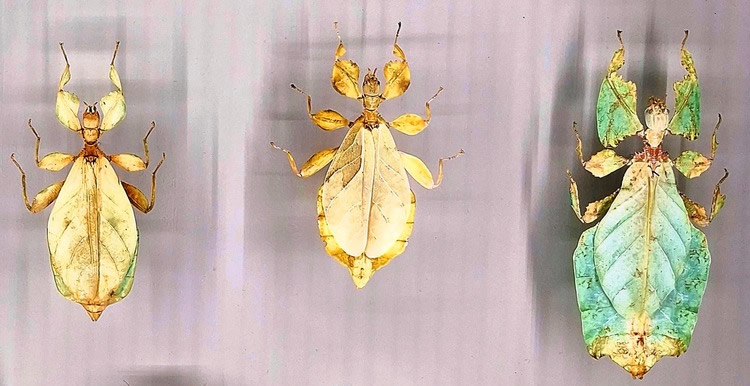
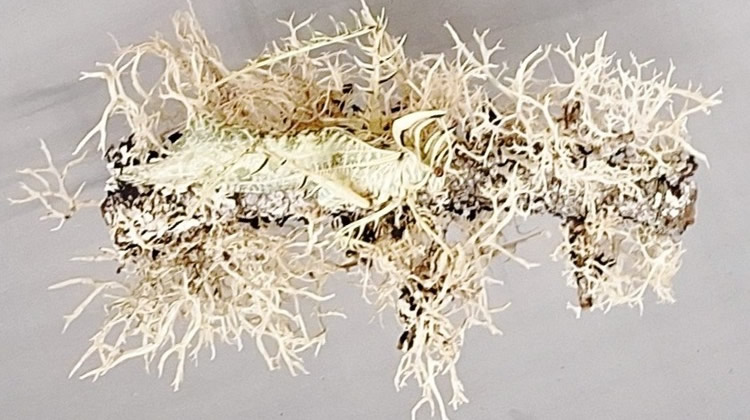
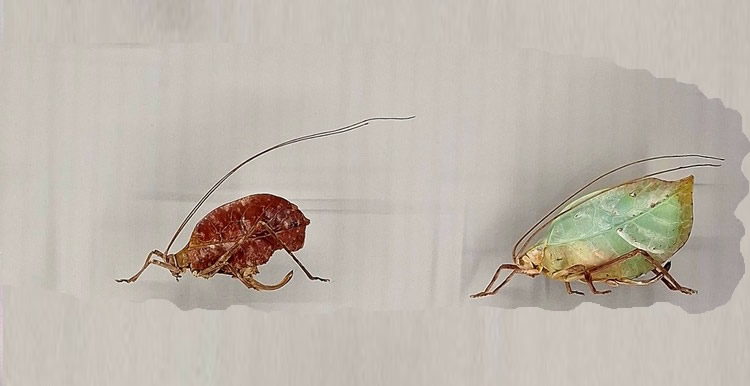
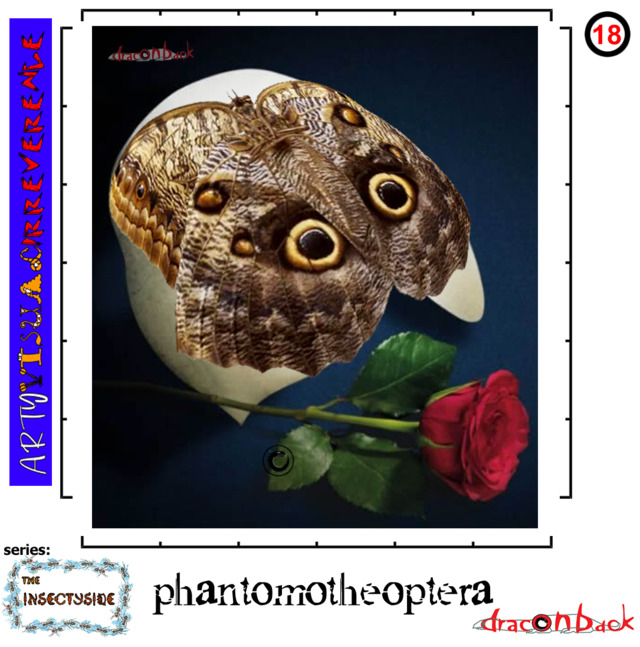
Disguise is crucial in the lives of both the owl butterfly (Caligo brasiliensis) and The Phantom of the Opera. But the former wears an elegant disguise to make itself more fearsome-- not less so, massive eyespots on its wings that deter predators. The large butterfly (despite the caption above, it is a butterfly and not a moth as implied by the wordplay) would make a tasty morsel if its large owl-eye markings didn't pursuade birds to keep their distance. Butterflies and moths belong to the order Lepidoptera, which represents one of the most diverse insect orders, comprised of approximately 180,000 known species worldwide. They undergo complete metamorphosis, transforming from eggs to caterpillars, then to pupae enclosed in cocoons or chrysalides, before emerging as winged adults characterized by their distinctive scaled wings that often display intricate patterns and vibrant colors. Their ecological significance is immense; as caterpillars, many species are specialized herbivores that help regulate plant populations, while adults serve as important pollinators, contributing to the reproduction of countless flowering plants. Additionally, throughout their lifecycle, Lepidoptera function as crucial food sources for numerous predators, including birds, bats, and other insects, making them integral components of terrestrial food webs across nearly every ecosystem except the most extreme polar regions. The scientific study of these insects highlights important aspects of evolution, ecology, and natural selection through examination of their remarkable adaptations for survival, including camouflage, mimicry, and chemical defenses. The Lepidoptera display several remarkable mimicry strategies to enhance their survival. Batesian mimicry occurs when non-toxic species evolve to resemble toxic ones, gaining protection without the metabolic cost of producing toxins. Müllerian mimicry involves multiple toxic species converging on similar warning patterns, effectively sharing the cost of predator education. Camouflage, or crypsis, allows species to blend seamlessly with their surroundings, matching the colouration of the environments which they frequent. Some species employ masquerade mimicry, a refinement of camouflage in which insects' bodies have been molded over evolutionary time to mirror specific inanimate objects, resembling objects like leaves, bark, or bird droppings rather than just blending in. Others utilize flash coloration, hiding bright warning colors until threatened, while some even mimic vertebrates with eyespots or snake-like patterns to startle potential predators.
|
|||||||||||||||||||||||||||||||||||||||||||||||||||||||||||||||||||
   |
 |
 |
 |
 |
 |
 |
|---|---|---|---|---|---|
 |
|||||
 |
 |