|
|
!Archaeological finds in Egypt include burials of cat mummies, with skeletal remains discovered among funerary goods dating to the 12th Dynasty, showing their integration into mortuary rituals. |
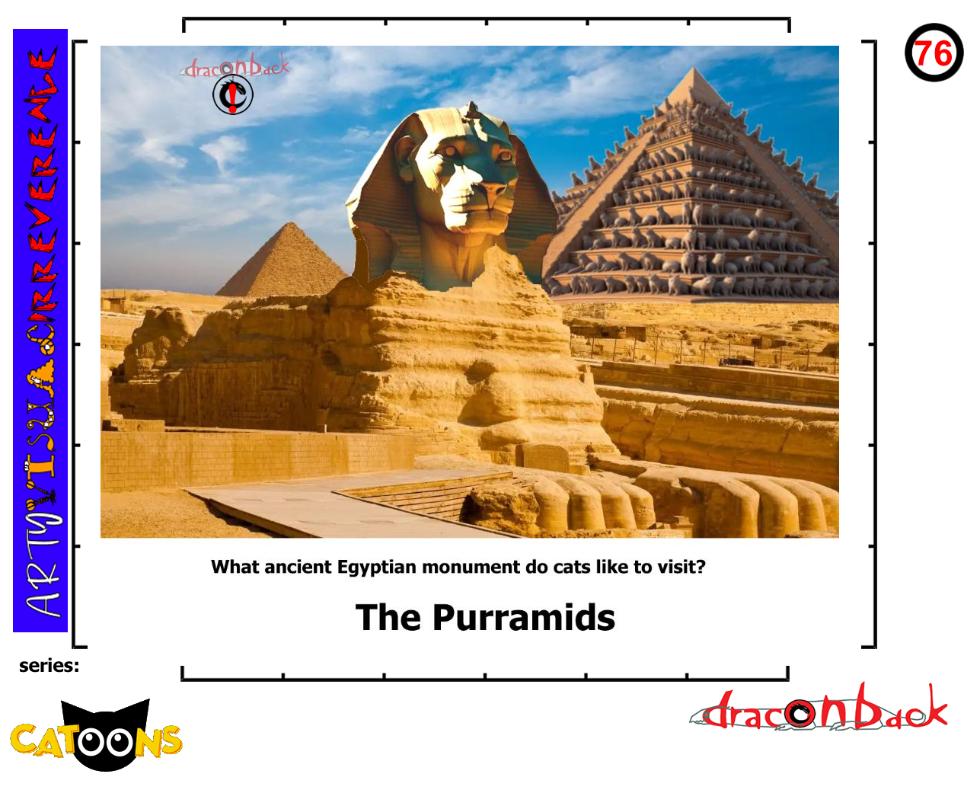 |
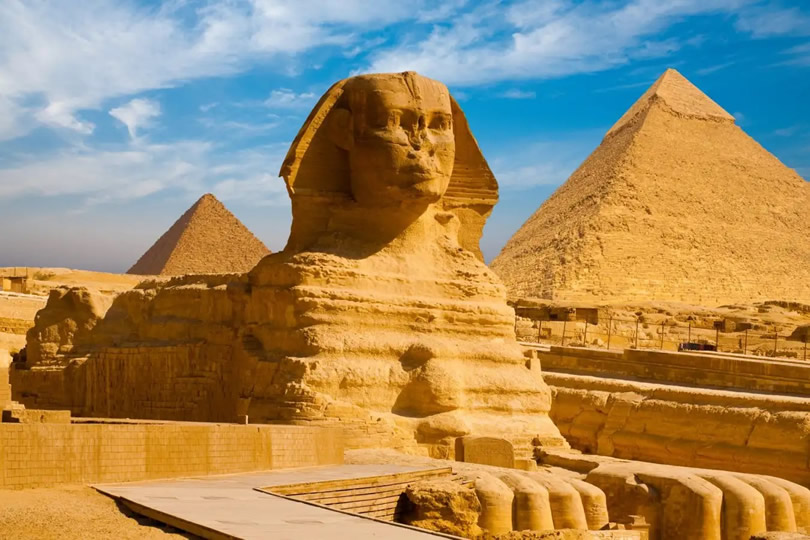
- The Sphinx's face shows evidence of systematic defacement, with its nose and ceremonial beard missing—likely removed during the medieval period, though popular myths incorrectly blame Napoleon's troops, who arrived centuries after the damage occurred.
- Beneath the Sphinx's paws lies the Dream Stele, erected by Pharaoh Thutmose IV after he reportedly dreamed the buried monument promised him kingship if he cleared away the encroaching desert sand.
- The monument was carved from a single limestone outcrop left behind in a quarry, meaning ancient workers shaped it by removing stone around it rather than assembling it from blocks.
|
-
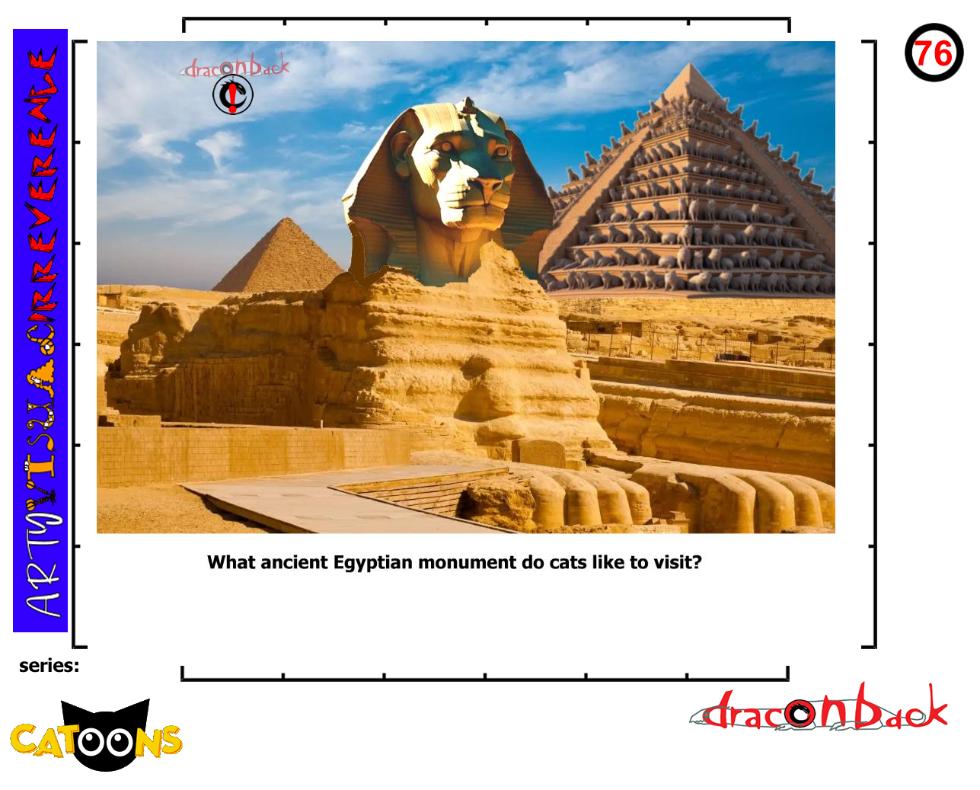
Geological analysis and weathering patterns have sparked controversial debates about the Sphinx's true age, with some researchers arguing water erosion suggests construction during a wetter climate thousands of years before the traditionally accepted date during Khafre's reign-- with the possibility that human features of the current likeness replaced a head that was more leonine-- like that in the image above-- that was larger and more in proportion to the figure's body and paws.
-
The Sphinx originally displayed vivid pigmentation, with traces of red paint still visible on its face, suggesting the monument was once brightly colored rather than the monochrome stone we see today.
|
 |
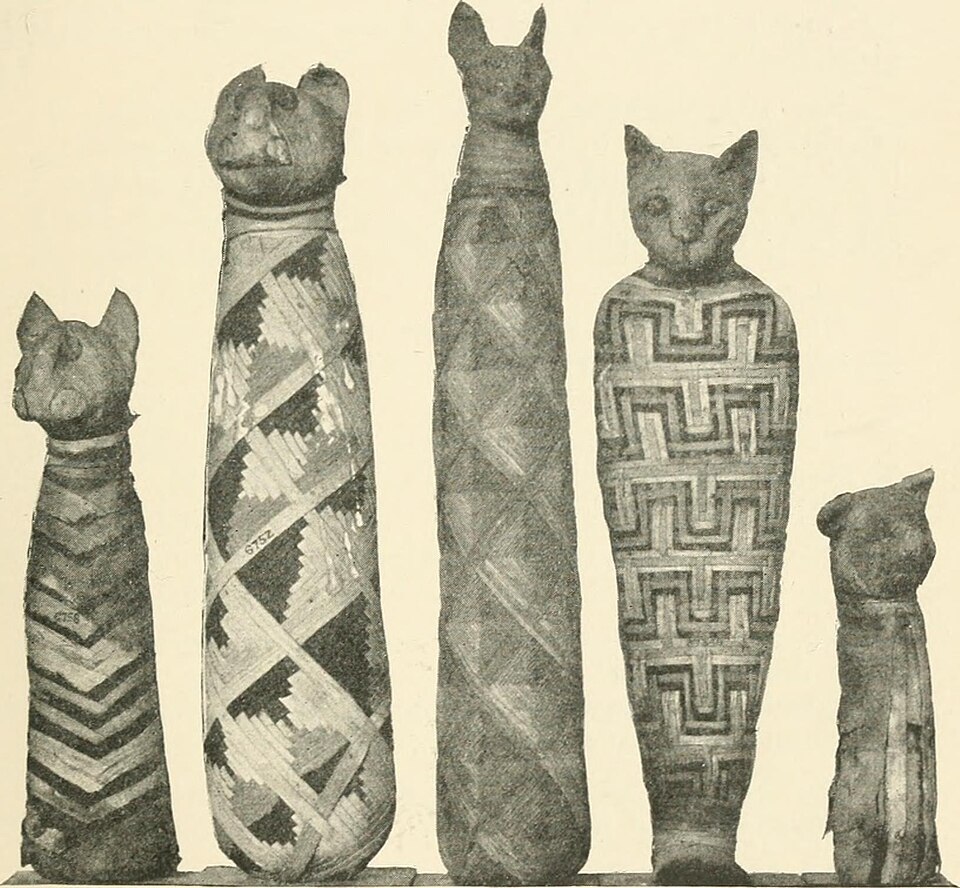 |
- More than 300,000 mummified cats were discovered when the Temple of Bastet was excavated, with some Egyptologists suggesting the status of cats in ancient Egypt was roughly equivalent to that of the cow in modern India. However, this contrasts with the demand for cat mummies to sell as offerings at temples-- which became so overwhelming that thousands of cats were bred specifically to be killed and mummified-- presumably by clerics who were authorized to breed and dispatch the felines. But supply apparently couldn't meet demand—many excavated mummies contain only fragments of cats while some are completely empty, suggesting priests defrauded worshipers by selling hollow cat mummies.
|
-
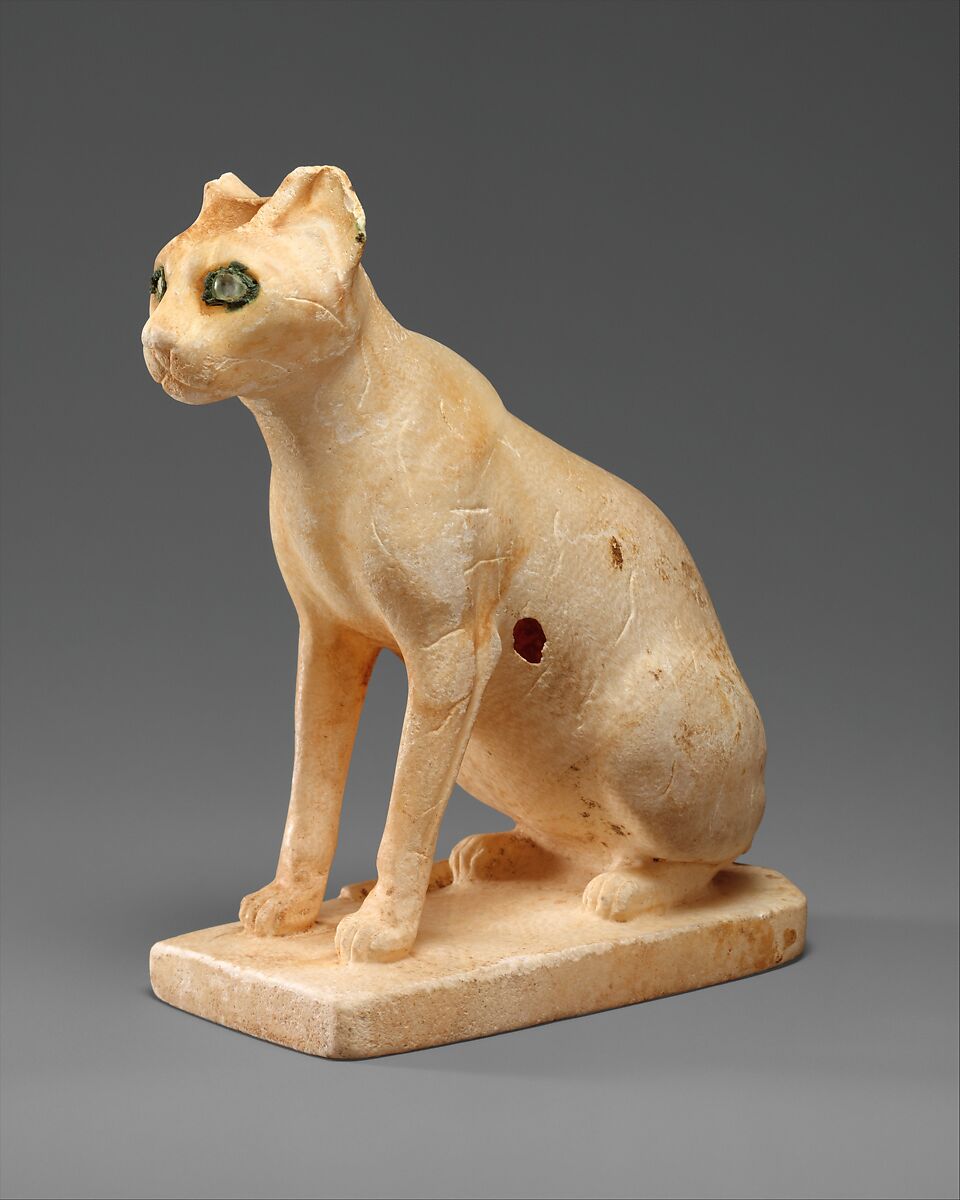
Cats were represented in Egyptian art and texts as early as 1980 BCE, appearing in social and religious scenes; their protective role against snakes and rodents was emphasized in both daily life and sacred contexts. This cosmetic jar marks a significant milestone as the first known sculptural depiction of a cat in Egyptian art, emerging after the animal's initial appearances in two-dimensional works from the late Old Kingdom period. The artist displays remarkable observational skill, capturing the cat's anatomy with an emphasis on its predatory nature—conveying a watchful, coiled tension instead of the refined detachment that would characterize later feline sculptures. The rock-crystal eyes rimmed with copper intensify this sense of keen alertness and poised anticipation. The complex structure of the jar indicates that it likely held some liquid cosmetic such as highly prized scented oils or perfumes, often made from ingredients like moringa oil, castor oil, or animal fats infused with fragrant materials such as myrrh, frankincense, lotus, and cinnamon.
|
|
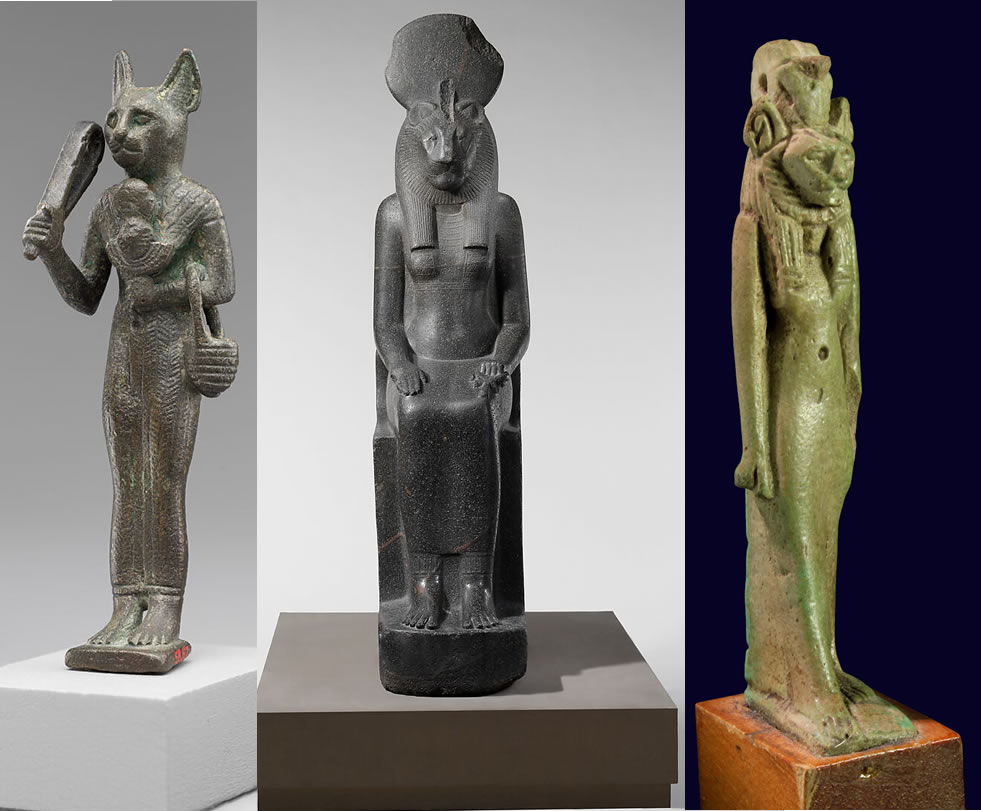 |
- Several deities took feline form: Bastet (goddess of fertility and motherhood) was often depicted as a cat or cat-headed woman, while Sekhmet embodied power and ferocity, and Mafdet symbolized justice and protection. Temples dedicated to Bastet, particularly at Bubastis, attracted thousands of pilgrims who celebrated annual festivals with music, dancing, and offerings to honor the feline goddess. Priests and priestesses maintained sacred cats within these temple complexes, caring for them as living embodiments of the divine and interpreting their behaviors as messages from the gods.
|
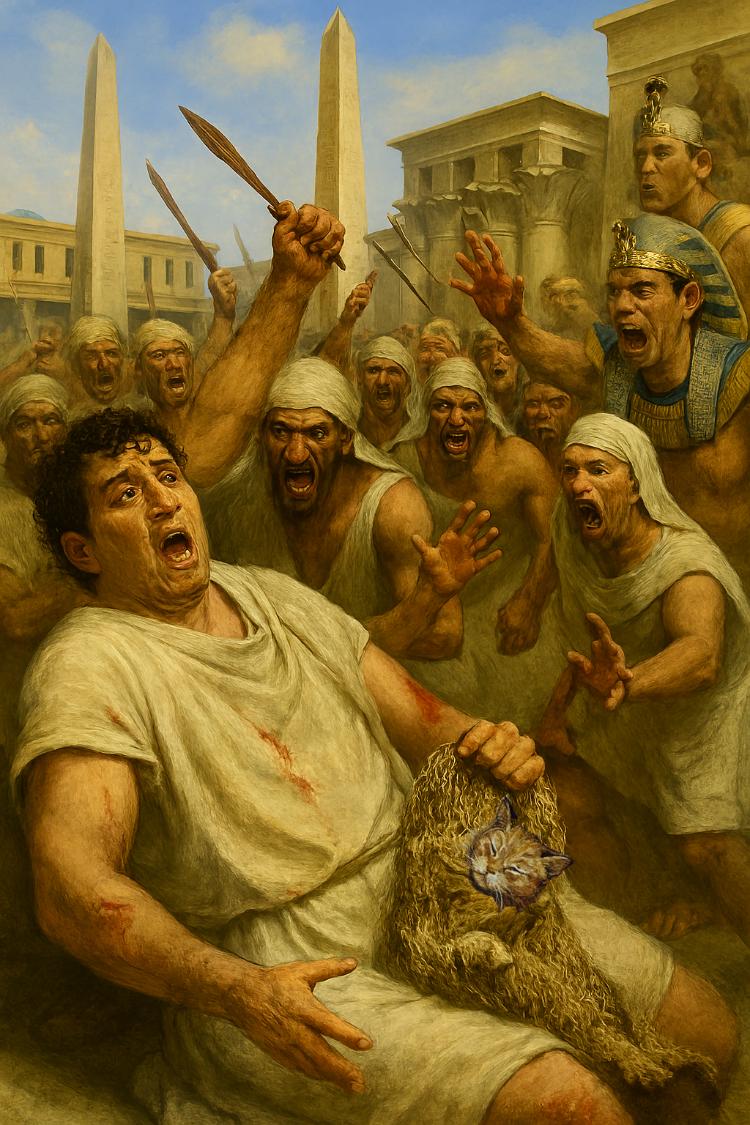
- Cats were so highly regarded in ancient Egypt that the punishment for killing one was death, and according to Herodotus, Egyptians caught in a burning building would save the cats before saving themselves or attempting to put out the fire. Around 59 BCE, a Roman visitor to Egypt accidentally killed a cat and was immediately lynched to death by an angry mob of Egyptian citizens, despite King Ptolemy XII's attempts to intervene and the fear that this incident might damage diplomatic relations with Rome.
- In the mid-5th century BCE, Herodotus described the annual Festival of Bastet at Bubastis as the largest celebration in Egypt, attended by several hundred thousand pilgrims who would sail down the Nile to purchase mummified cats as offerings, with cat mummification becoming so economically important that it required extensive trading networks for food, oils, and resins used in embalming.
- When a family cat died, Egyptian household members would shave their eyebrows as a sign of mourning, with the mourning period continuing until their eyebrows had fully grown back.
|
|
|
|