|
|
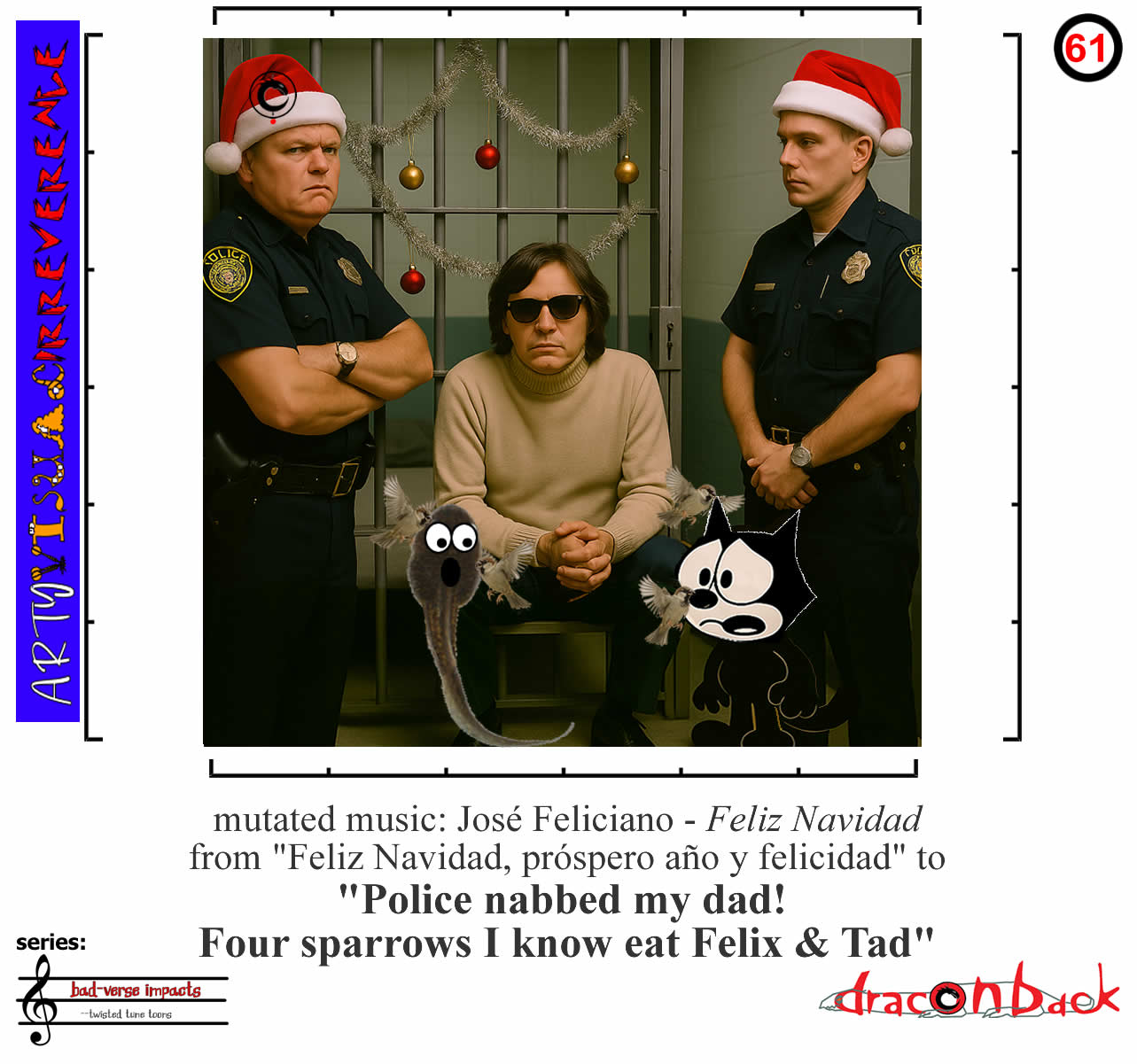
_Jose Feliciano was the first Latin artist to perform at the White House, invited by President Lyndon B. Johnson in 1968, just months after his controversial slower-than-usual, soulful version of the U.S. national anthem rendition at the World Series.
|
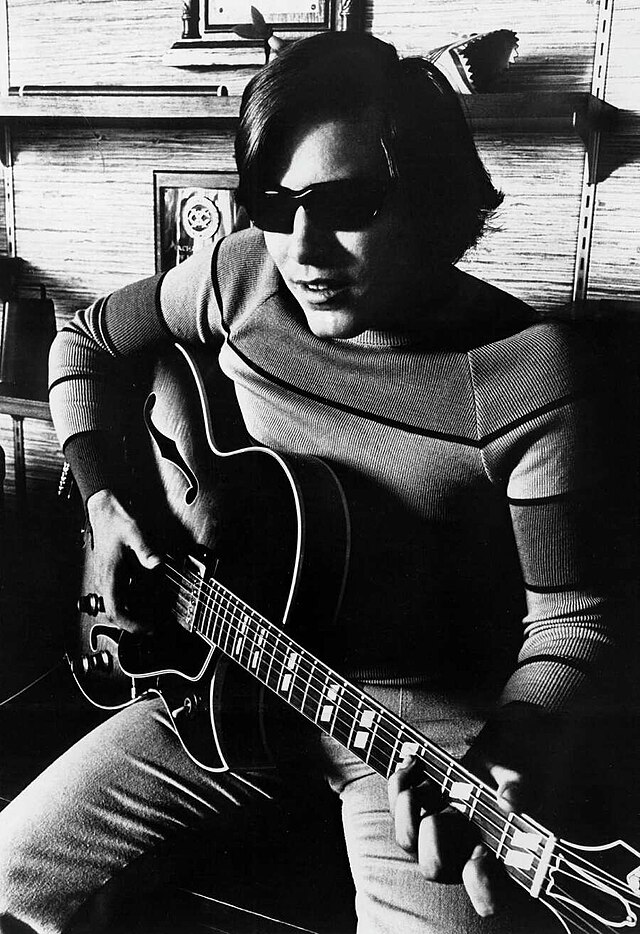 |
JOSÉ FELICIANO
- Born blind due to congenital glaucoma, Feliciano taught himself to play guitar by ear and practiced up to 14 hours a day as a child, developing a distinctive fingerstyle technique that fused flamenco, jazz, and Latin rhythms.
- His 1968 Latin jazz rendition of the U.S. national anthem at the World Series was groundbreaking — and controversial — marking the first time a Latin artist performed it publicly, and sparking national debate over musical interpretation.
- Feliciano has released over 60 albums in both English and Spanish, won nine Grammy Awards, and was awarded a star on the Hollywood Walk of Fame — all while helping pave the way for Latin artists in mainstream American music.
|
FELIZ NAVIDAD
-
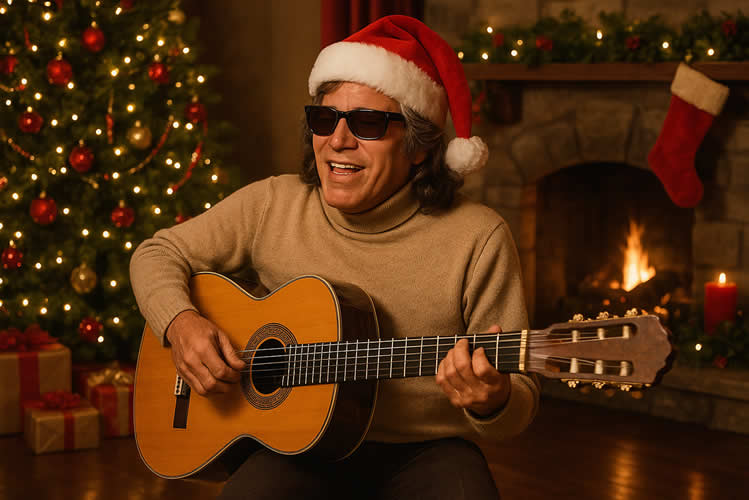
Written in just 15 minutes in 1970, the song uses only about 20 unique words, yet it has become one of the most played and recorded Christmas songs globally, thanks to its bilingual simplicity and infectious melody.
-
Feliciano composed it while homesick in Los Angeles, longing for his Puerto Rican family’s Christmas traditions — the song’s joyful tone masks a deeply personal sense of nostalgia.
-
Despite its now-iconic status, “Feliz Navidad” didn’t chart significantly until decades after its release. It finally cracked the Billboard Hot 100 top 10 in 2020 — 50 years later.
|
|
 |
CHRISTMAS TRADITIONS IN PUERTO RICO
- Puerto Rico’s Christmas season is famously long — stretching from late November through mid-January — and it’s packed with vibrant, culturally rich traditions.
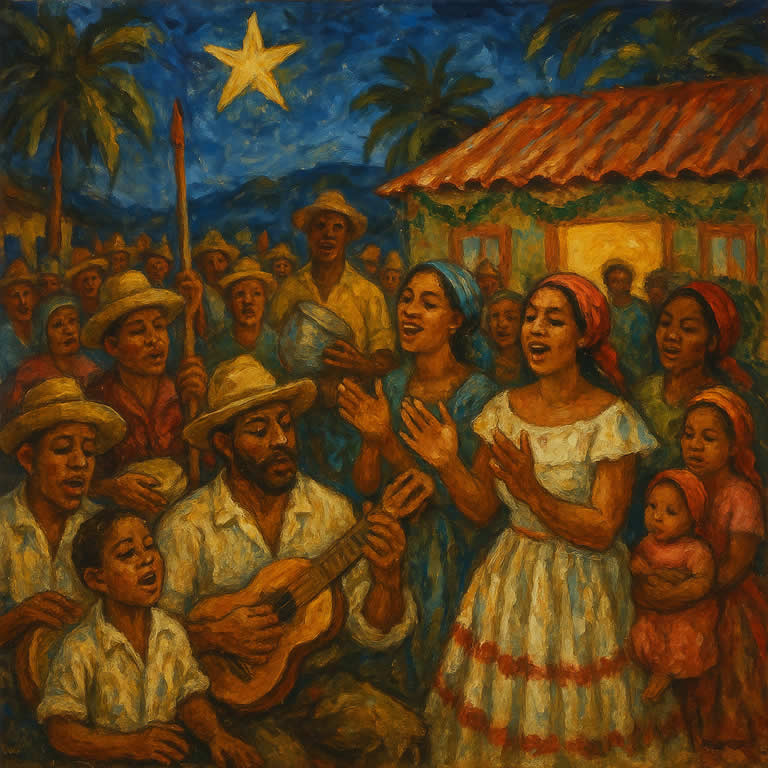
- Parrandas, Puerto Rico’s version of caroling, are spontaneous musical ambushes: friends gather late at night with instruments like the cuatro and güiro, sneak up to a home, and burst into traditional songs (aguinaldos). The surprised hosts offer food and drink, then join the group as it moves to the next house — often continuing until dawn.On
- January 6th, Día de los Reyes (Three Kings Day) rivals Christmas in importance. Children leave grass under their beds for the kings’ camels and wake to find gifts in return.
- The day is celebrated with parades, music, and community feasts — a reflection of Puerto Rico’s deep Catholic roots and Spanish heritage.Misa de Gallo (“Rooster’s Mass”) is a midnight Catholic service held on Christmas Eve. Named for the rooster that, according to legend, crowed at Jesus’s birth, it’s both a solemn and festive gathering that blends spiritual devotion with the island’s warm, communal spirit.
|
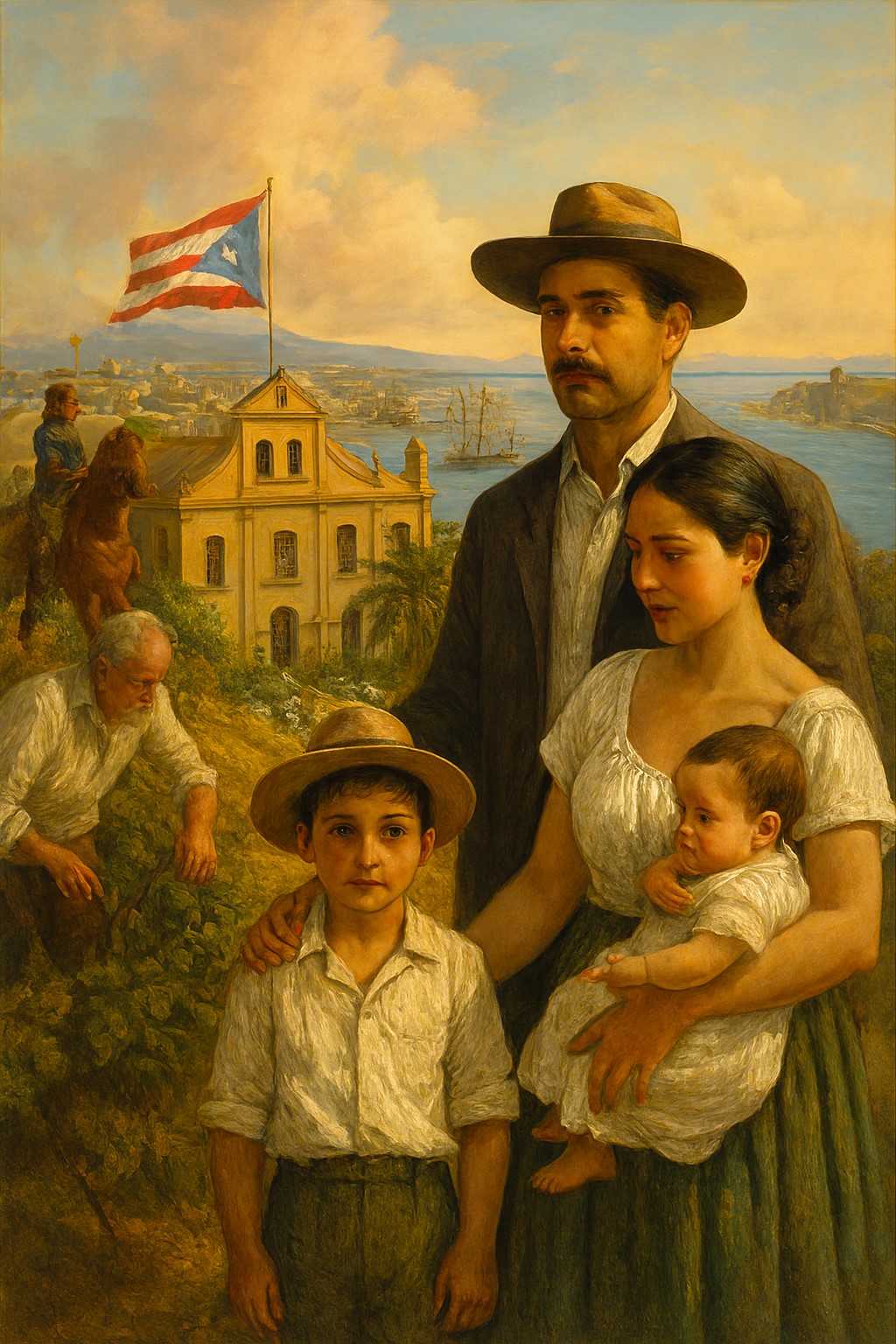
HISTORY OF PUERTO RICO AND THE U.S.
- Puerto Rico became a U.S. territory in 1898 following the Spanish-American War, ending over 400 years of Spanish colonial rule and initiating a complex relationship with American governance that continues today.
- Despite the imposition of U.S. federal systems, Puerto Rico retained its Spanish language, civil law traditions, and cultural identity, creating a hybrid society shaped by both Caribbean and American influences.
- The 1917 Jones Act granted U.S. citizenship to Puerto Ricans, but without full political representation or voting rights in presidential elections, leading to ongoing debates about status, autonomy, and identity.
- Spanish remains the dominant language in education, media, and daily life, with legal protections unevenly applied across federal and local institutions.
- Puerto Rico’s unique position as a Spanish-speaking U.S. territory has made it a focal point for discussions on colonial legacy, linguistic rights, and cultural resilience.
|
|
| |
|
|