|
|
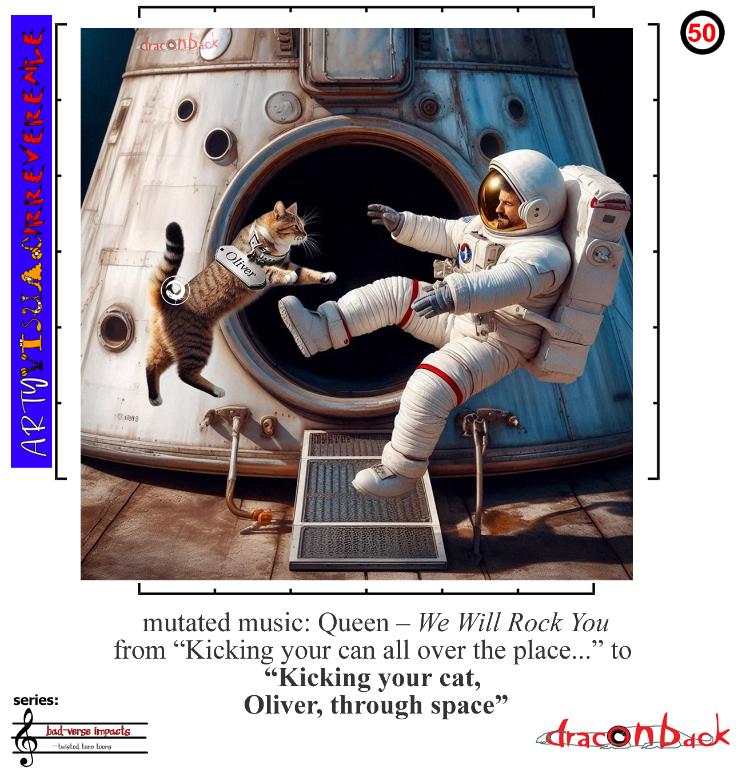
Once described as “the most played song at sporting events,” “We Will Rock You” has become a global cultural phenomenon.
|
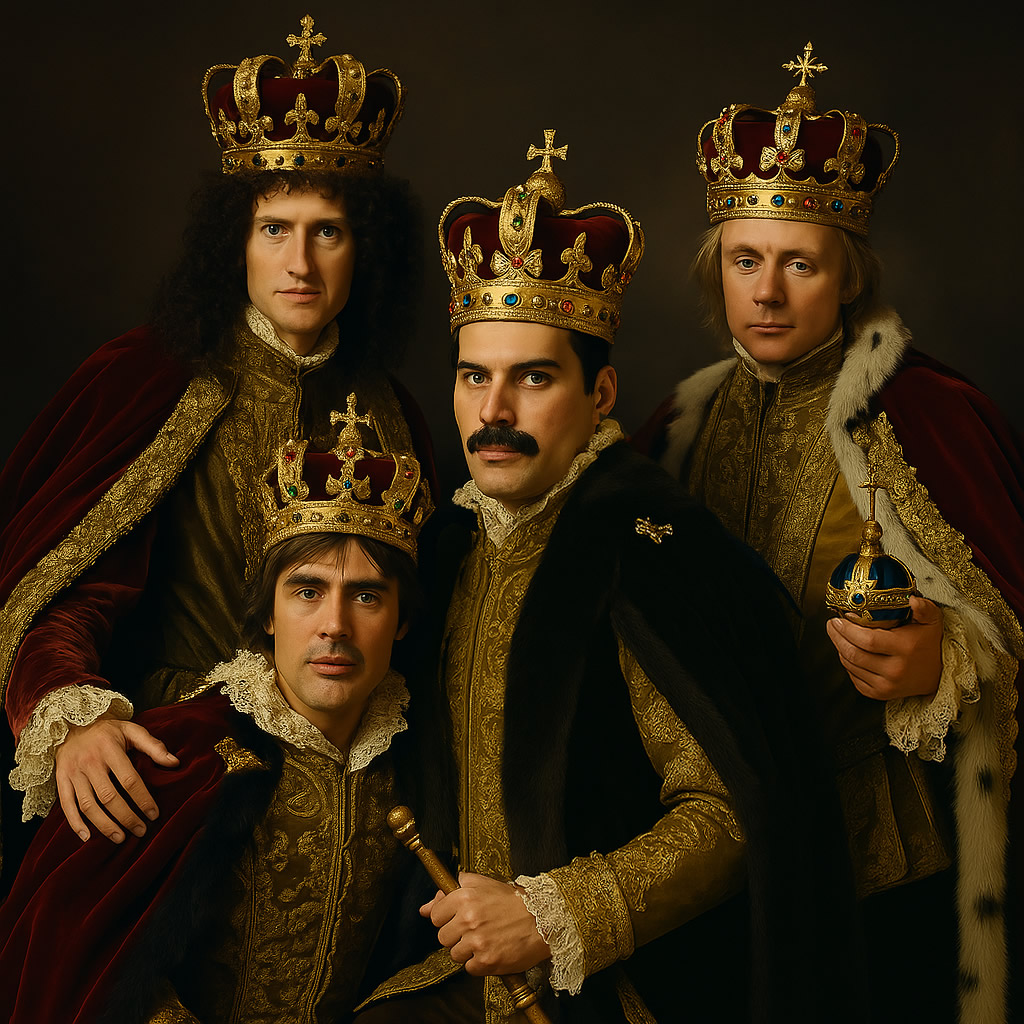 |
QUEEN
-
Freddy Mercury's four-octave vocal range was complemented by his trained piano skills from childhood, but he actually studied graphic design in college and designed the band's iconic crest logo himself, incorporating the zodiac signs of all four band members.
-
The band's name sparked controversy in some countries during their early tours, with several venues initially refusing to book them due to concerns about the word's connotations, though this ultimately generated more publicity than harm.
-
Despite their theatrical rock opera style, Queen holds the distinction of performing one of the shortest hit songs of the 1970s with "Stone Cold Crazy" clocking in at just over two minutes, which later influenced thrash metal bands like Metallica who covered it.
|
WE WILL ROCK YOU
-
The song was deliberately engineered to create audience participation, with Brian May composing it specifically so crowds could easily join in using only stomps and claps, making it one of the first rock songs designed primarily for stadium engagement rather than radio play.
-
Recording techniques for the track were unusually minimalistic for Queen - the stomping and clapping were recorded with the band members in a small room rather than using elaborate studio effects, creating an intimate sound that paradoxically worked perfectly in massive venues.
-
The song's structure defies conventional pop music theory by essentially having no traditional melody in the verses, consisting almost entirely of rhythm and chanted vocals, yet it became one of the most recognizable anthems in sports and entertainment worldwide.
|
 |
 |
CATS IN SPACE
-
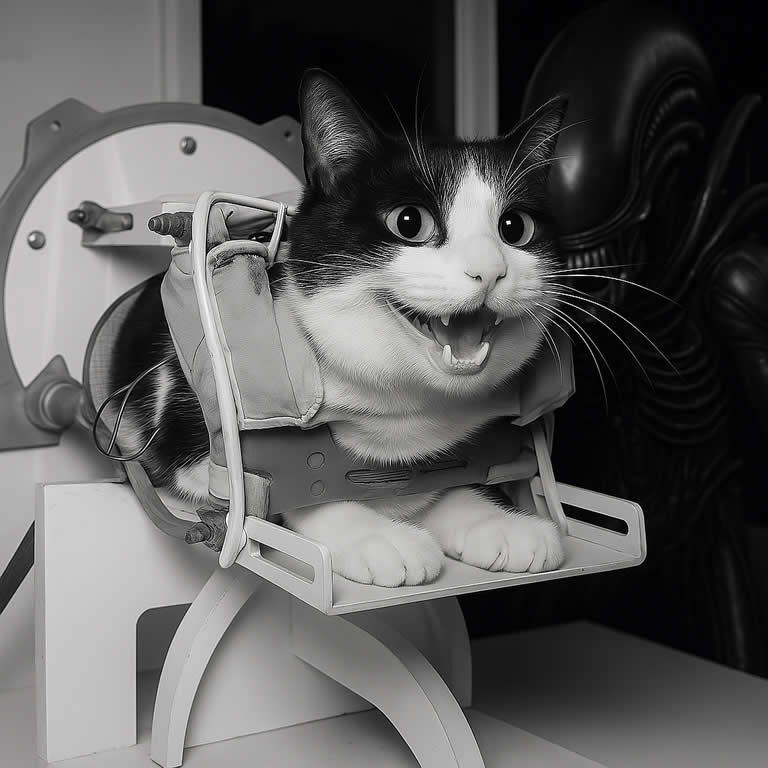
The first cat sent to space was Félicette, a French street cat who successfully traveled 100 miles above Earth in 1963 and returned safely, though she's often overshadowed by the more famous space dogs like Laika in popular memory.
-
Cats have superior spatial orientation abilities compared to dogs due to their inner ear structure, which theoretically makes them better suited for zero-gravity environments, though their inability to be trained as reliably as dogs has limited their use in space programs.
-
Modern space stations maintain strict policies against animal companions for astronauts, but research continues into how various Earth animals might adapt to long-term space travel, with cats' efficient metabolism and compact size making them surprisingly viable candidates for theoretical Mars missions lasting several years.
|
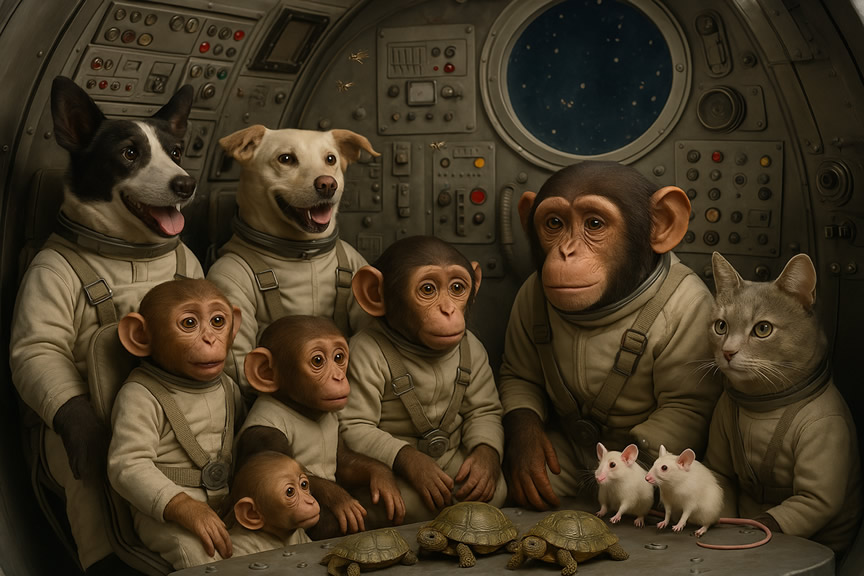
- The first animals sent into space were fruit flies. They were launched by the United States on February 20, 1947, aboard a V-2 rocket to an altitude of about 68 miles.
- The U.S. sent Albert II (a rhesus monkey) to space in June 1949, reaching 83 miles altitude.
- Mice were sent up by the U.S. in 1950.
- The Soviet Union sent the first dogs into space on July 22, 1951 - two dogs named Dezik and Tsygan on a suborbital flight. They both returned safely.
- Ham the chimpanzee became the first great ape in space in January 1961, paving the way for human spaceflight
- The Soviets sent tortoises around the Moon in 1968.
|
 |
|
|