|
|
Vividly inspired by practicality, ABBA’s flamboyant stage costumes were designed to be tax-deductible under Swedish law, which allowed deductions only if the outfits were too outrageous for everyday wear.
|
 |
ABBA
- The band's name is an acronym formed from the first letters of the four members' first names: Agnetha, Björn, Benny, and Anni-Frid, though they didn't officially adopt this spelling until 1973 when they needed a catchy name for international marketing purposes.
- ABBA became the first Swedish act to win the Eurovision Song Contest in 1974 with "Waterloo," which was performed in English rather than Swedish specifically to maximize international appeal—a strategic decision that launched their global career.
- Despite their massive success, the band members were notoriously tax-conscious due to Sweden's extremely high tax rates in the 1970s, which reportedly reached up to 85% for high earners, leading them to spend significant time living abroad during their peak years.
|
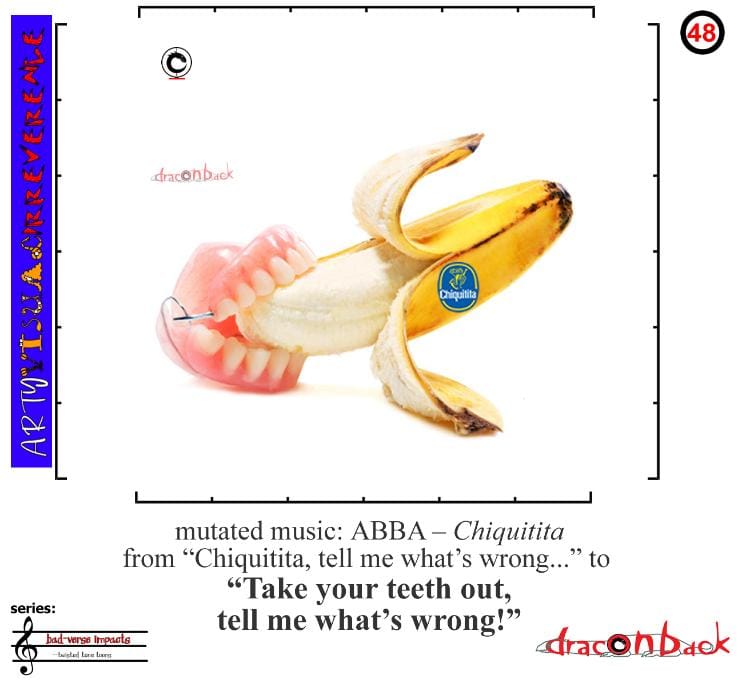
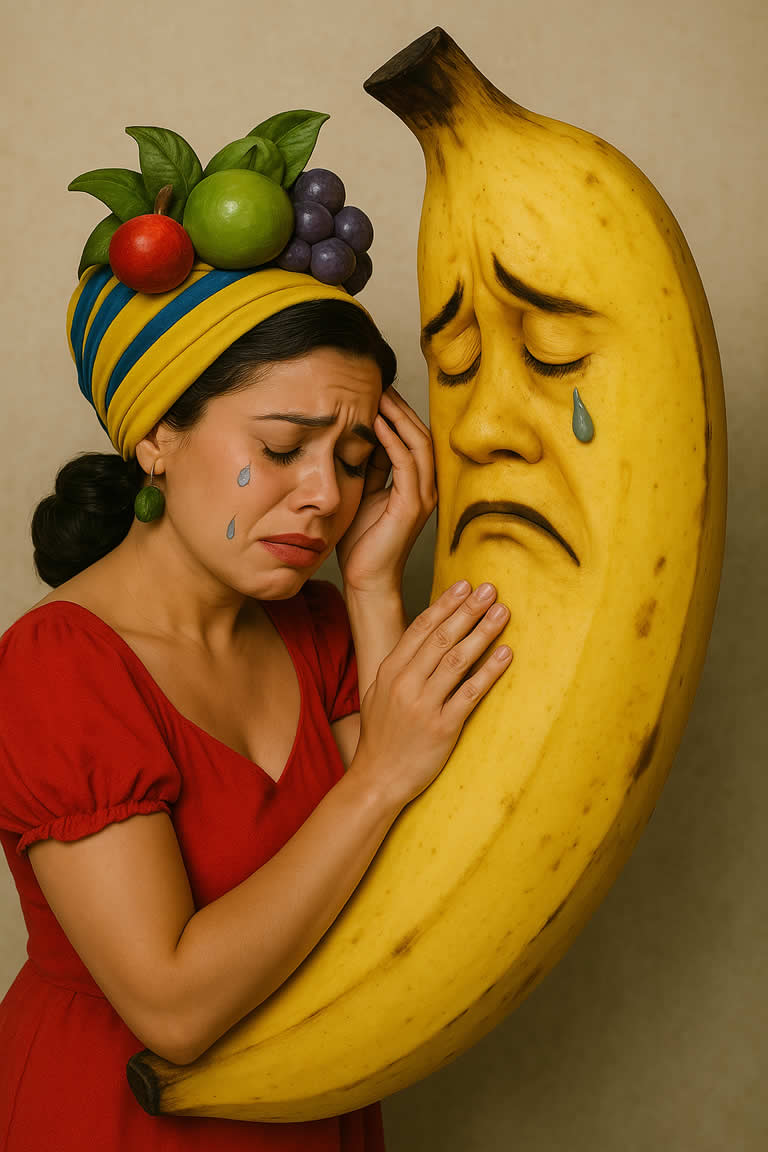
CHIQUITITA
- Björn Ulvaeus initially wrote the melody with completely different lyrics in Swedish before transforming it into the Spanish-influenced "Chiquitita," demonstrating ABBA's process of international adaptation that helped them transcend cultural boundaries.
- The song reached number one in over ten countries and became particularly beloved in Latin America, where the Spanish title and musical influences resonated strongly with audiences, helping establish ABBA's lasting popularity in that region.
- The song was written as a gesture of support for UNICEF, with ABBA donating all royalties from the track to the organization—a donation that continues to generate funds for children's causes decades later, making it one of the most philanthropically significant pop songs ever recorded.
|
|
 |
DENTURES/FALSE TEETH
- The earliest known dentures date back to around 700 BCE and were crafted by the Etruscans in Italy, who used gold wire to bind together human or animal teeth—a remarkably sophisticated technique for ancient dental prosthetics.
- As early as 2500 BC, people in what is now Mexico crafted rudimentary dentures using wolf teeth, likely for ceremonial or cosmetic purposes rather than function.
|
-
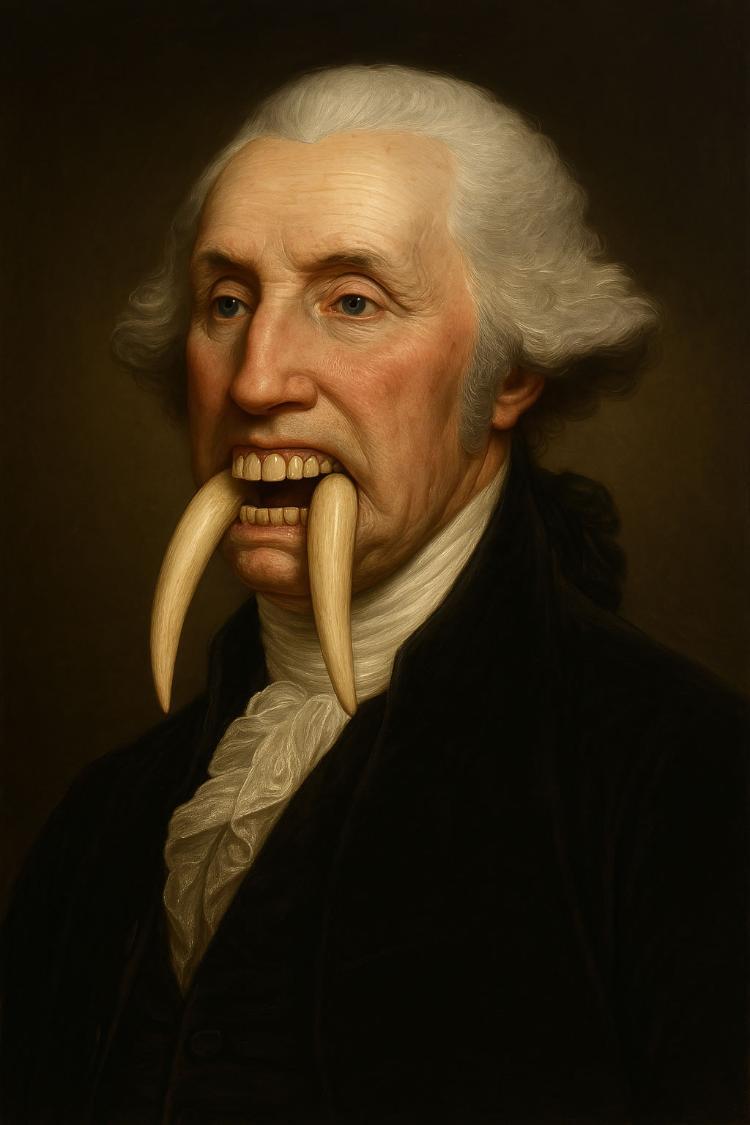
George Washington's famous dentures were not made of wood as commonly believed, but rather constructed from a combination of human teeth, animal teeth (including hippopotamus ivory), and lead-tin alloy, making them both expensive and extremely uncomfortable to wear.
-
In the grisly aftermath of 19th-century battles like Waterloo, scavengers harvested the teeth of fallen soldiers—prized for their youth and health—to craft dentures for Europe's elite, a macabre trade that turned war casualties into dental commodities.
-
In the 16th century, Japanese artisans carved full sets of dentures from wood, often boxwood. These were surprisingly well-fitted and remained in use into the 19th century.
-
The first porcelain dentures were developed in 1770 by Alexis Duchâteau in France. Though they looked better than ivory or bone, they were brittle until later improvements made them more durable.
-
In the 18th and 19th centuries, some early dentures were made with metal springs to help keep the upper and lower plates apart when not biting. If these springs were too tight or poorly aligned, they could force the jaw open and make it difficult to close without assistance.
|
|
 |
- Modern denture adhesives evolved from research conducted during World War II when scientists developed waterproof polymers for military applications, later discovering these materials could effectively secure dental prosthetics in the challenging environment of the human mouth.
- The development of heat-cured acrylic resin in the 1930s revolutionized denture manufacturing, replacing earlier materials like vulcanized rubber and making false teeth more durable, natural-looking, and affordable for the general population.
- Denture identification became a crucial forensic tool in the 20th century, with dental records helping identify victims in major disasters—leading to the establishment of systematic dental record-keeping that remains vital for both medical and legal purposes today.
- The phenomenon of "denture breath" occurs because bacteria can accumulate in microscopic pores within acrylic denture materials, requiring special cleaning protocols that differ significantly from natural tooth care and contributing to ongoing research into antimicrobial denture materials.
|
|
|