|
|
Freddie Mercury's real name was Farrokh Bulsara, and he was born in Zanzibar to Parsi parents from India, making him one of the few major rock stars of Zoroastrian faith—a religion that emphasizes the duality of good and evil and influenced his theatrical approach to performance, though he rarely spoke publicly about his religious background.
|
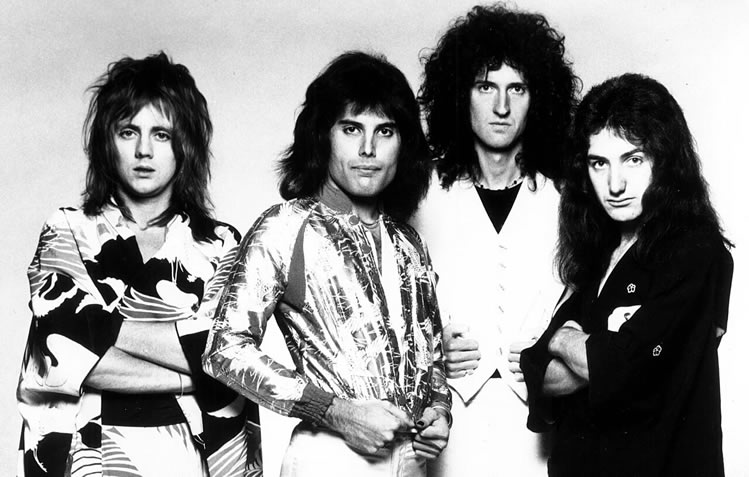 |
QUEEN
- The band's name was chosen by Freddie Mercury despite the other members' initial reluctance, as they worried about the homosexual connotations, but Mercury insisted it was "regal" and "theatrical," perfectly capturing the grandiose, operatic style that would become their signature sound and stage presence.
- Queen was one of the first rock bands to extensively use synthesizers alongside traditional rock instruments, but they famously included the disclaimer "No synthesizers were used on this album" on their early records, because all their layered vocal harmonies and orchestral sounds were created through multi-tracking real voices and instruments rather than electronic simulation.
|
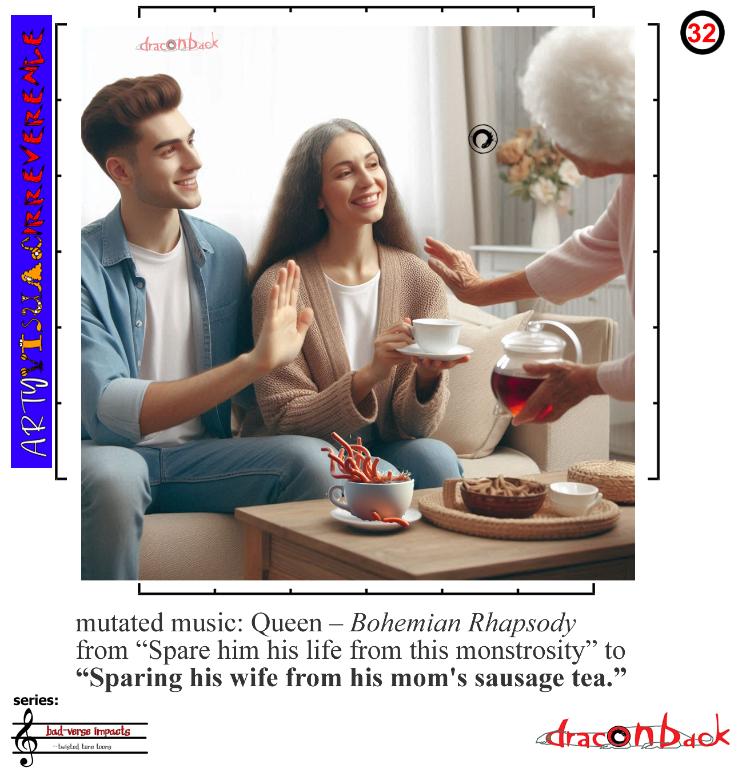
"BOHEMIAN RHAPSODY"
- The song was recorded using 24-track analog technology, but Queen pushed the limits so far that they created over 180 separate overdubs, causing the tape to become so thin from repeated playbacks that you could see through it, and the final mix required bouncing tracks multiple times in an era before digital recording made unlimited layering possible.
- The song was initially considered too long and unconventional for radio play at 5 minutes and 55 seconds, but DJ Kenny Everett played it repeatedly on his show after Mercury gave him an early copy, creating such public demand that it became a number-one hit despite breaking every rule of commercial radio formatting.
|
 |
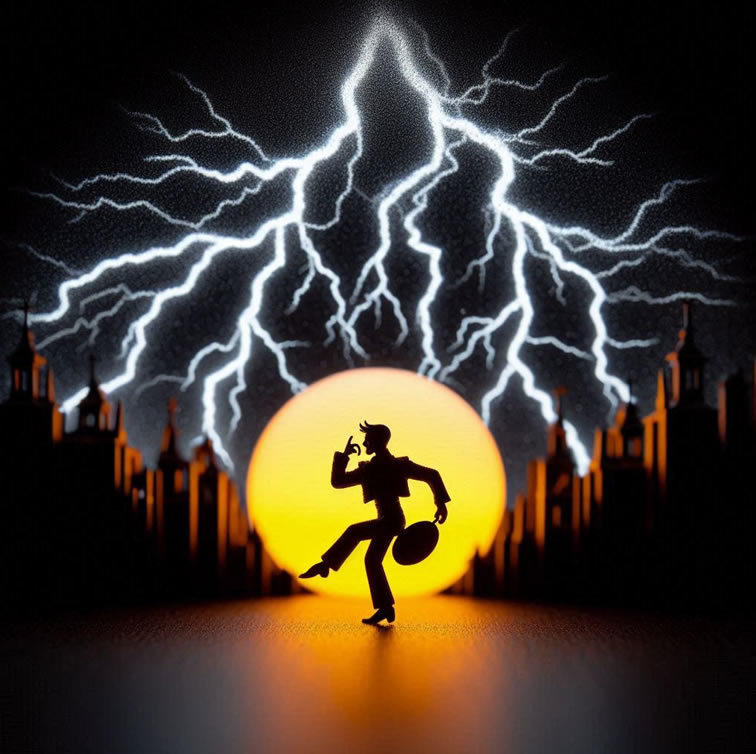 |
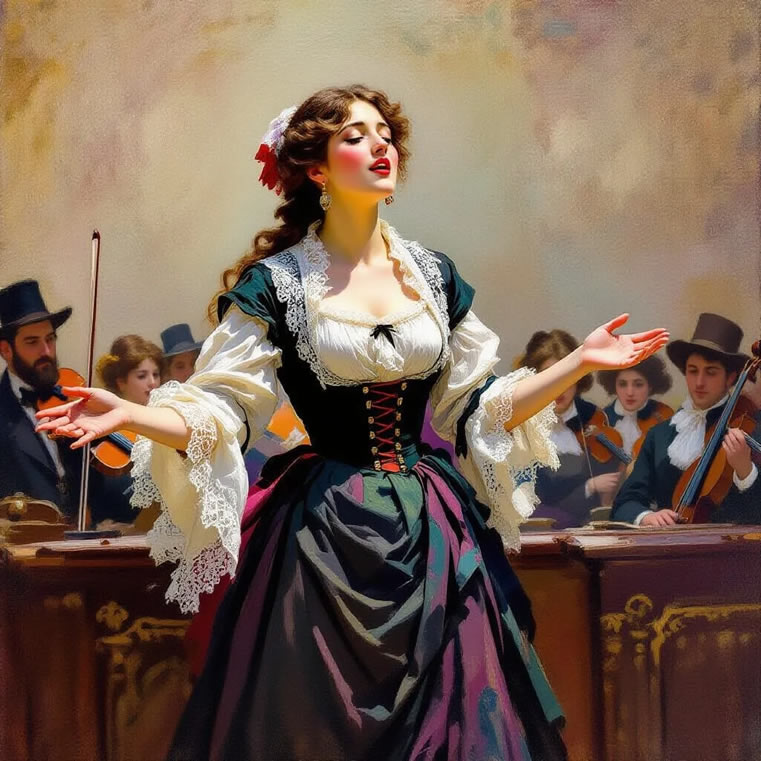
- Mercury never expanded upon the songs' cryptic lyrics, but the operatic middle section features exotic-sounding words like "Bismillah" (Arabic for "in the name of God") and "Scaramouche, Scaramouche, will you do the fandango?
Thunderbolt and lightning, very, very frightening me..." (Scaramouche being a commedia dell'arte character and fandango being a Spanish dance). The verses form a theatrical dialogue between various characters that some interpret as Mercury's internal struggle with his identity and sexuality-- but which I'm inclined to think was simply a campy pastiche of the often overblown drama of operatic works using Italian-adjacent vocabulary.
|
ALTERNATIVES TO TEA
-
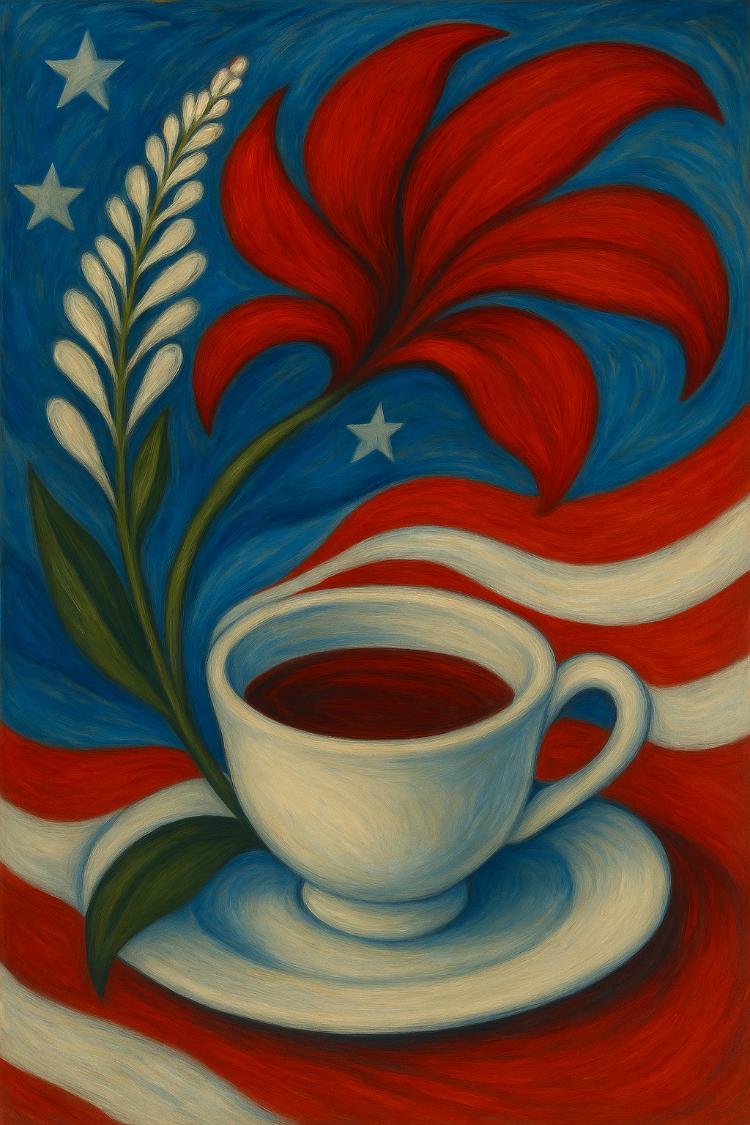
During the American Revolution, colonists boycotting British tea turned to "Liberty Tea" made from loosestrife, or more commonly, a brew made from the leaves of the redroot plant (New Jersey tea), which produced a caffeine-free but bitter drink that patriots consumed as an act of political defiance against British taxation.
In 18th and 19th century Europe, "coffee substitutes" became popular during wartime shortages, including drinks made from roasted chicory root, acorns, barley, and even dandelion roots, with chicory coffee becoming so popular in New Orleans that it remains a local tradition today, though it contains no actual coffee beans.
Medieval Europeans consumed "tisanes" or herbal infusions made from unlikely ingredients including pine needle tea (high in vitamin C and used to prevent scurvy), nettle tea (which required careful preparation to avoid the plant's stinging properties), and even a popular drink made from fermented honey and herbs called "metheglin," which was essentially a medicinal mead served hot like tea.
|
|
|
|