|
|
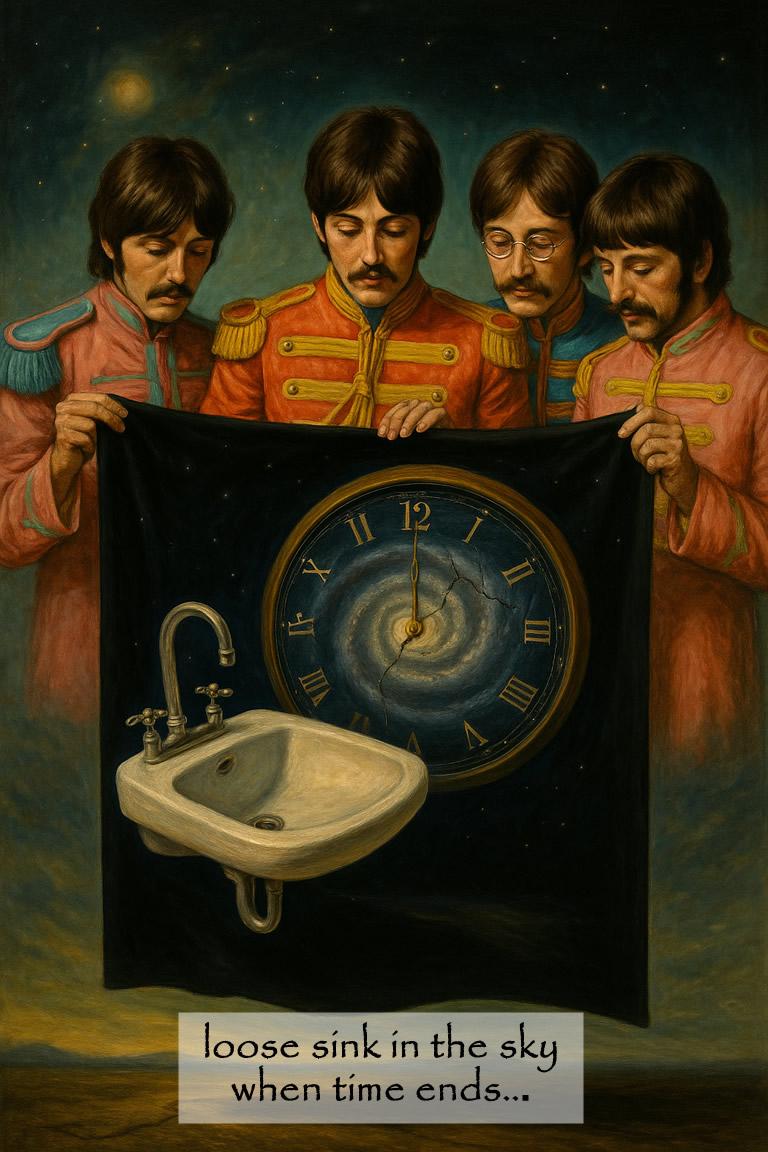
.The BBC initially banned "Lucy in the Sky with Diamonds" from radio play in 1967 due to suspected drug references, but the song was later adopted by NASA as part of their cultural outreach program, with astronauts on the International Space Station playing Beatles music during Earth observation sessions to help communicate the wonder of space exploration.
|
 |
THE BEATLES
-
Paul McCartney was deeply influenced by the 1968 science fiction film "2001: A Space Odyssey," which premiered just months before The Beatles recorded several songs for the White Album, and he later said the film's depiction of space travel affected his approach to creating "soundscapes" that could represent journeys through different dimensions.
-
George Harrison's interest in Indian philosophy and astronomy led him to purchase a telescope in the late 1960s, and he became fascinated with the concept that sound vibrations could travel through space, influencing his use of the sitar and his belief that music could represent cosmic harmonies.
-
NASA beamed "Across the Universe" into deep space in 2008 to commemorate the 40th anniversary of the song and the 50th anniversary of NASA's founding, sending the Beatles' message about the eternal nature of love traveling at light speed toward Polaris, where it will arrive in about 431 years.
|
KALEIDOSCOPES
-
The kaleidoscope was invented in 1816 by Scottish physicist Sir David Brewster while he was conducting research on light polarization and optics, but he initially failed to properly patent his invention, allowing others to mass-produce and profit from what became one of the most popular optical toys in history.
-
The mathematical principles behind kaleidoscope patterns involve rotational symmetry and group theory, with the number and angle of mirrors determining the symmetry of the resulting patterns—typically creating 6-fold, 8-fold, or 12-fold symmetrical designs that follow precise geometric rules studied in crystallography and mathematics.
-
Modern kaleidoscopes used in therapy and meditation are based on research showing that viewing symmetrical, slowly changing patterns can induce a meditative state by engaging the brain's pattern recognition systems while simultaneously providing visual stimulation that promotes relaxation and reduces anxiety.
|
 |
 |
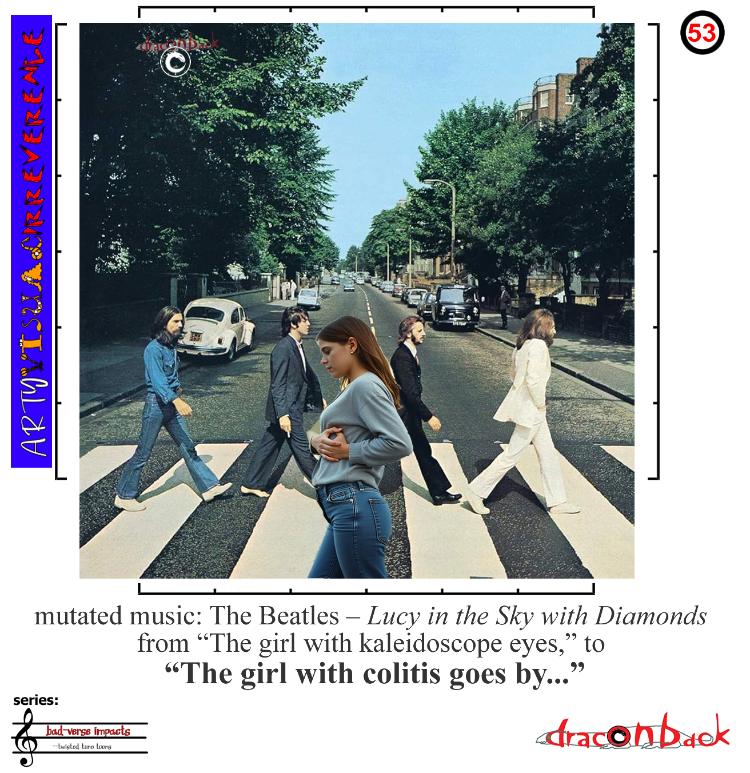
COLITIS
-
Ulcerative colitis was first distinguished from other inflammatory bowel conditions in 1859 by British physician Samuel Wilks, but the autoimmune nature of the disease wasn't understood until the mid-20th century, when researchers discovered that the immune system mistakenly attacks the colon's healthy tissue, leading to chronic inflammation.
-
The disease shows striking geographic and ethnic variations, with higher prevalence rates in developed countries and among Ashkenazi Jewish populations, suggesting both environmental and genetic factors play crucial roles, though the exact triggers that initiate the autoimmune response remain largely mysterious.
-
Colitis has an unexpected historical connection to medical breakthrough—the development of sulfasalazine, one of the first effective treatments for inflammatory bowel disease, came from combining an antibiotic with aspirin in the 1940s, based on the theory that infection might be involved.
|
|
|